
Daily Habits to Prevent Premature Skin Aging: Essential Tips for Youthful Skin
Premature skin aging refers to the early appearance of wrinkles, loss of elasticity, and uneven tone caused by external factors like UV exposure and lifestyle influences as well as intrinsic biological aging. Daily habits that reduce UV damage, oxidative stress, and glycation help preserve collagen and elastin, maintain hydration, and slow visible aging, so you look and feel younger over time. This article explains how consistent sun protection, targeted nutrition, sleep and stress management, and practical skincare habits work together to prevent premature aging and maintain youthful skin. You will learn clear daily actions for UV protection, which antioxidant-rich foods to prioritize, sleep and stress strategies that support skin repair, and a concise morning and evening skincare routine with ingredient guidance. Throughout, the piece highlights complementary professional options when needed and practical checkpoints to keep daily anti-aging habits realistic and sustainable.
How Does Sun Protection Prevent Premature Skin Aging?
Sun protection prevents premature skin aging by blocking or reducing UVA and UVB radiation that break down collagen and elastin, generate oxidative stress, and trigger pigment changes. By reducing UV exposure you preserve the skin’s structural proteins and limit DNA and cellular damage that cause fine lines, sagging, and brown spots. Daily sunscreen, protective clothing, and behavioral measures are practical, evidence-based actions that lower cumulative photoaging and maintain more youthful tone and texture. Consistent sun protection also preserves the benefits of in-office treatments that stimulate collagen and refresh skin, so pairing daily care with occasional professional procedures can extend results and reduce the need for more aggressive interventions over time.
What Are Effective Daily Sun Protection Methods?
Choosing and using sun protection correctly prevents the bulk of photoaging and reduces long-term pigmentation and collagen loss. Apply a broad-spectrum sunscreen with at least SPF 30 every morning to exposed areas, using about a nickel-sized amount for the face and reapplying every two hours when outdoors; clothing and shade are important backstops. Wear wide-brim hats and UV-blocking sunglasses, and seek shade during peak sun hours to minimize cumulative UVA exposure that penetrates deeply. These habits build a protective baseline that reduces the need for corrective procedures later and helps maintain smoother skin.
Daily sun-protection actions to adopt:
- Use a broad-spectrum sunscreen of SPF 30 or higher every day, regardless of weather, and reapply when outdoors.
- Wear sun-protective clothing, including a wide-brim hat and UV-blocking sunglasses, during prolonged sun exposure.
- Seek shade between 10 a.m. and 4 p.m., and avoid intentional tanning or tanning beds.
- Integrate protective behaviors into routines, such as applying sunscreen after moisturizing and before makeup.
These measures create a reliable defense against photoaging that complements other anti-aging strategies and reduces cumulative skin damage over years.
Sun-protection options compared for daily use:
| Method | Characteristic | Practical Tip |
|---|---|---|
| Sunscreen (SPF 30+) | Broad-spectrum UVA/UVB coverage | Apply generously to face and neck every morning and reapply after sweating or swimming |
| Protective clothing | Physical barrier, UPF fabrics block UV | Choose a wide-brim hat and long sleeves when outdoors for extended periods |
| Shade & timing | Behavioral reduction of UV dose | Plan outdoor activities for morning/evening to avoid peak UV hours |
Selecting a combination of these methods yields the best protection and helps prevent the collagen breakdown that drives visible aging.
Which Nutritional Habits Support Skin Health and Slow Aging?
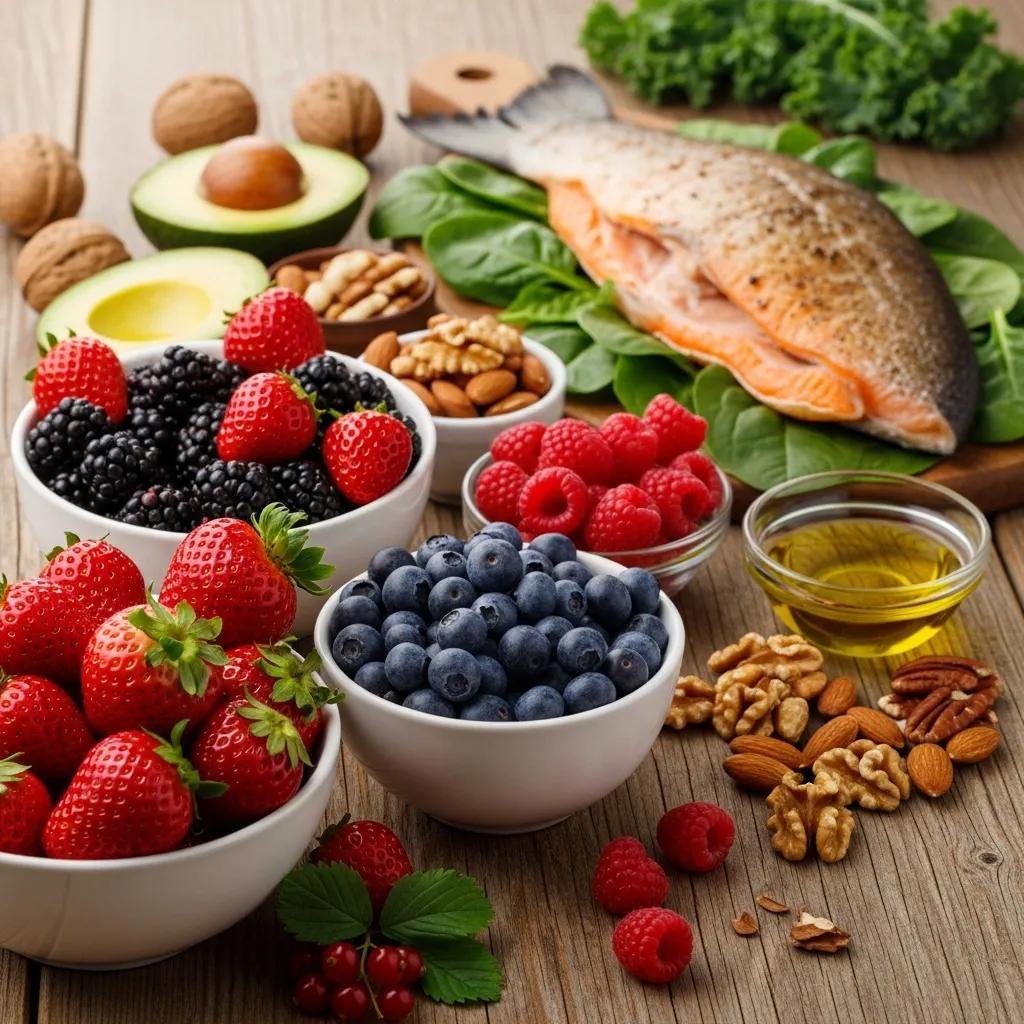
Good nutritional habits support skin structure by supplying antioxidants, omega-3 fatty acids, and amino acids needed for collagen synthesis while minimizing glycation from excess sugar. Antioxidant-rich foods neutralize free radicals that would otherwise degrade matrix proteins and accelerate wrinkling, whereas adequate protein supports ongoing repair and elasticity. Reducing processed sugars and excessive alcohol lowers glycation and inflammation, preserving firmness and tone. Practical dietary changes—targeted food swaps and portion choices—deliver measurable skin benefits within weeks to months, and combining nutrition with clinical programs can accelerate visible improvement.
What Are the Best Antioxidant-Rich Foods for Skin?
Prioritize whole foods high in vitamins C and E, polyphenols, and omega-3s to protect skin from oxidative stress and support collagen. Berries provide concentrated polyphenols and vitamin C for collagen synthesis and pigmentation control, fatty fish supply EPA/DHA to reduce inflammation, and nuts deliver vitamin E for barrier protection. Green tea and colorful vegetables add flavonoids that stabilize collagen structure and reduce UV-related damage. Small, consistent servings—such as a handful of berries daily and two servings of fatty fish per week—are practical ways to integrate these nutrients.
Top antioxidant and collagen-supporting foods:
- Berries: Rich in vitamin C and polyphenols that support collagen and reduce pigmentation.
- Fatty fish: Provide omega-3s that lower inflammation and protect skin structure.
- Nuts and seeds: Supply vitamin E and healthy fats for barrier integrity and moisture retention.
- Leafy greens and citrus: Deliver vitamin C and carotenoids for repair and photoprotection.
Nutrition comparison for skin-supporting choices:
| Food | Key Nutrient | Serving Suggestion |
|---|---|---|
| Berries | Vitamin C, polyphenols | 1/2 cup daily in yogurt or oatmeal |
| Salmon (fatty fish) | Omega-3 EPA/DHA | 2 servings per week, 3–4 oz each |
| Almonds | Vitamin E, healthy fats | A small handful (1 oz) daily |
| Spinach | Vitamin C, lutein | 1 cup cooked or 2 cups raw daily |
How Does Hydration Influence Skin Elasticity and Youthfulness?
Systemic hydration supports cellular volume and turgor, which contributes to plumper, more resilient skin and temporarily reduces the appearance of fine lines. Drinking adequate water helps transport nutrients to skin cells and supports metabolic waste removal, while topical humectants like hyaluronic acid draw moisture into the stratum corneum for immediate plumping. Pair humectant serums with occlusive moisturizers to lock in water and prevent transepidermal water loss, especially in dry climates. If skin remains dry despite good hydration, address barrier repair with ceramide-containing moisturizers and review topical exfoliation frequency to avoid over-stripping natural lipids.
Hydration and topical strategies summary:
- Internal hydration: Drink steadily across the day to support cell function and skin turgor.
- Topical humectants: Use hyaluronic acid serums to attract moisture into upper skin layers.
- Occlusion: Follow humectants with a moisturizer containing occlusives or ceramides to retain hydration.
How Do Lifestyle Factors Like Sleep and Stress Affect Skin Aging?
Sleep and stress regulation directly influence skin repair pathways: quality sleep supports growth hormone and melatonin-mediated repair, while chronic stress elevates cortisol, which accelerates collagen breakdown and inflammation. Prioritizing sleep hygiene and stress-reduction practices preserves the skin’s regenerative cycles and reduces inflammatory signaling that can hasten wrinkling and thinning. Regular exercise supports circulation and metabolic health, which in turn aids nutrient delivery to the skin. Integrating structured sleep routines and simple stress-management techniques produces visible improvements in skin tone and texture over weeks.
Why Is Quality Sleep Crucial for Skin Repair and Rejuvenation?
Quality sleep fosters cellular repair, DNA repair, and collagen synthesis by synchronizing hormonal release and lowering systemic inflammation during restorative stages. Deep sleep phases support tissue regeneration, and inadequate sleep disrupts these processes, leading to dullness, slower wound healing, and more pronounced fine lines. Adopt consistent bedtimes, a dark cool room, and a pre-sleep routine that limits screens to improve sleep onset and depth. Improving sleep quality supports the same repair pathways that topical retinoids and professional therapies target, creating synergy between lifestyle and skin treatments.
How Can Stress Management Reduce Cortisol’s Impact on Skin Aging?
Chronic psychological stress elevates cortisol, which increases inflammatory mediators and degrades collagen, accelerating visible aging and undermining skin barrier function. Short, daily practices such as diaphragmatic breathing, brief mindfulness sessions, and progressive muscle relaxation lower cortisol levels and reduce inflammatory tone in days to weeks. Cognitive behavioral strategies and regular moderate exercise further reduce stress reactivity and support hormonal balance. Over time, consistent stress reduction helps maintain collagen integrity and reduces flares of inflammatory skin conditions that can worsen texture and pigmentation.
Practical stress-reduction techniques to implement:
- Daily breathwork: Five minutes of slow diaphragmatic breathing to reduce acute cortisol release.
- Mindfulness breaks: Short guided meditations or grounding exercises to reset stress responses.
- Regular movement: Moderate exercise three times weekly to improve mood and systemic inflammation.
What Skincare Habits Help Maintain a Youthful Skin Appearance?
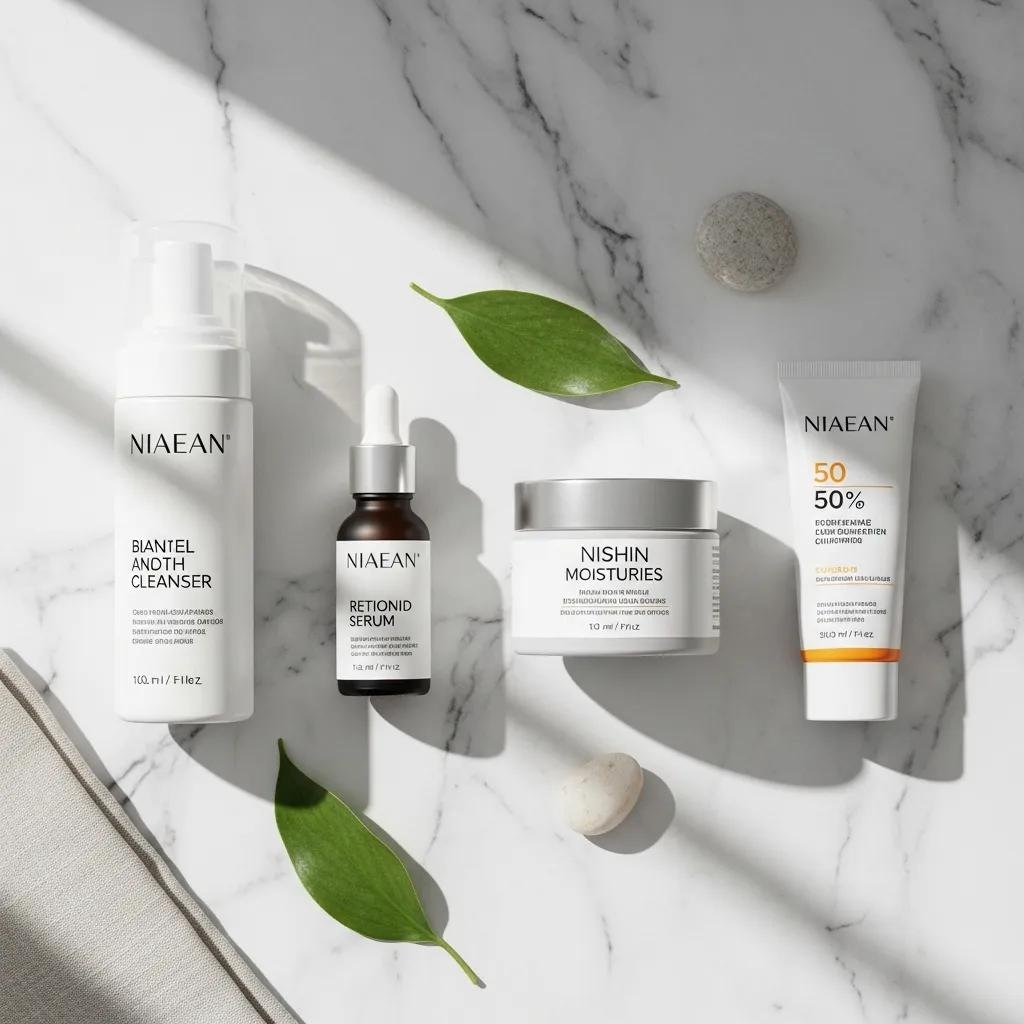
Fundamental skincare habits—cleanse, treat with targeted actives, moisturize, and protect—form the backbone of anti-aging prevention by preserving barrier function and stimulating repair mechanisms. Regular, gentle exfoliation and periodic professional treatments help maintain texture and tone while actives like retinoids and antioxidants support collagen production and oxidative protection. Daily consistency with a minimalist, evidence-based routine yields steady improvements and reduces the accumulation of sun and lifestyle damage that accelerates aging. When persistent texture, pigmentation, or volume concerns remain, adjunctive in-office options can safely enhance results and are best delivered as part of a personalized plan.
Which Daily Skincare Steps Are Essential for Anti-Aging?
A simple morning and evening regimen targets prevention and repair without overcomplication, focusing on essentials that protect and support skin physiology. In the morning, prioritize cleansing if needed, antioxidant serums, moisturizer, and broad-spectrum SPF to shield against UV-driven aging. At night, a cleanser followed by a retinoid or targeted treatment and a nourishing moisturizer supports cell turnover and collagen remodeling. Introduce retinoids gradually to minimize irritation and use hyaluronic acid for hydration, pairing humectants with occlusives for maximal retention.
Morning and evening routines:
- Morning: Cleanse if oily, apply antioxidant serum, moisturize, and finish with SPF.
- Evening: Gentle cleanse, apply retinoid or prescribed treatment, hydrate with moisturizer, and spot-treat pigment or texture concerns as needed.
- Weekly: Gentle exfoliation once or twice weekly to maintain texture without disrupting the barrier.
How Do Ingredients Like Retinoids and Hyaluronic Acid Support Skin Health?
Retinoids accelerate cell turnover and stimulate collagen and elastin production, improving fine lines, texture, and pigmentation when used consistently and introduced gradually to limit irritation. Hyaluronic acid functions as a humectant, attracting water to the epidermis for immediate plumping and smoother appearance, and works best when layered under a moisturizer to seal hydration. Antioxidant topical agents neutralize free radicals and stabilize collagen fibers, while peptides can signal repair pathways to support firmness. Use retinoids at night with sunscreen during the day, and monitor for sensitivity—adjust frequency and concentration to tolerance.
Topical ingredient comparison for daily use:
| Ingredient | Mechanism | Recommended Use/Precaution |
|---|---|---|
| Retinoids | Stimulate cell turnover and collagen synthesis | Start every 3 nights, build to nightly use; use SPF daytime |
| Hyaluronic Acid | Humectant that attracts and holds moisture | Apply to damp skin and follow with moisturizer |
| Vitamin C (antioxidant) | Neutralizes free radicals and supports collagen | Use in morning under SPF; avoid unstable formulations |
Professional adjuncts to consider when home care plateaus include chemical peels, RF microneedling, IPL photofacial, LED skin therapy, and injectables for volume and dynamic lines; these options are available through Shore MedSpa & Bio Aesthetics and are most effective when paired with consistent daily protection and topical maintenance. Integrating professional treatments selectively can address accumulated photoaging or structural concerns and help prolong home-care benefits.
Routine-focused wrap-up: prioritize daily sun protection, maintain a diet rich in antioxidants and omega-3s, invest in sleep and stress routines that support repair, and follow a simple, consistent skincare regimen enhanced by targeted professional interventions when needed. These combined habits form a practical, sustainable approach to preventing premature skin aging and preserving youthful skin over the long term.