
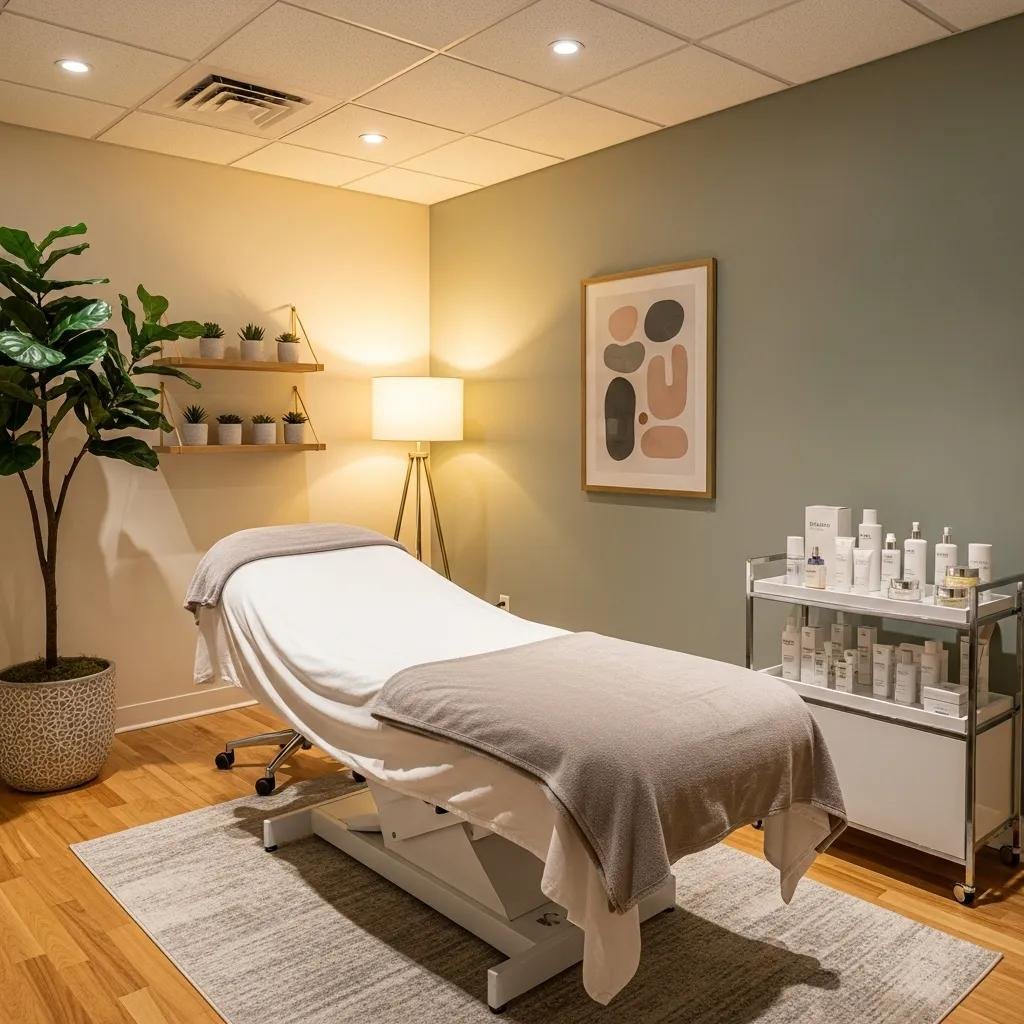
Med Spa Services in Aspen Hill, MD: Expert Treatments for Natural Beauty Enhancement
A medical spa blends clinical dermatology with aesthetic therapies to improve skin health, contour, and overall appearance using non-surgical techniques overseen by medical professionals.
This article explains the principal med spa service categories available to Aspen Hill residents, how those treatments work, and which concerns each approach best addresses. Many people seek results that look natural while minimizing downtime; physician-led care and evidence-based devices help deliver predictable outcomes with safety. Below we map core service categories—injectables, skin rejuvenation, body contouring and medically supervised weight loss, and laser treatments—then detail how each modality works, typical treatment courses, candidacy, and aftercare. You’ll also find practical lists for quick comparison and two concise comparison tables to help you scan options quickly. Throughout, the focus is education about med spa treatments in Aspen Hill with brief references to a nearby physician-led practice for readers who want clinic-level context.
What Med Spa Services Are Available in Aspen Hill, MD?
Med spas in Aspen Hill typically offer four core categories of medical aesthetic services that address wrinkles, volume loss, skin texture, unwanted fat, and pigmentary concerns. Each category uses a specific mechanism—neuromodulation or filler for lines/volume, controlled injury for collagen remodeling, thermal or injectable metabolic approaches for fat reduction, and targeted light/laser energy for hair, pigment and resurfacing—to produce clinical results with predictable recovery profiles. The quick list below highlights principal categories people choose when seeking minimally invasive improvement.
- Injectables for wrinkle smoothing and volume restoration
- Skin rejuvenation procedures for texture and tone
- Body contouring and medically supervised weight loss options
- Laser treatments for hair removal, tattoo and scar revision
The table that follows offers a concise, scannable comparison of these categories by typical use-case and expected downtime to help readers select an initial path.
| Service Category | Typical Use Case | Expected Downtime / Benefit |
|---|---|---|
| Injectables (Botox, Dysport, fillers) | Dynamic wrinkles; volume loss in cheeks, lips | Minimal downtime; immediate to short-term swelling |
| Skin Rejuvenation (peels, microneedling, lasers) | Texture, pigmentation, fine lines, acne scarring | Variable (none to several days); progressive improvement |
| Body Contouring / Weight Loss (SculpSure, medications) | Focal fat reduction; systemic weight management | Minimal to short downtime; months to see full results |
This comparison helps orient decisions before diving into specific modalities. The sections below explore injectables and skin-rejuvenation procedures in greater detail and transition into body and laser therapies.
Which Injectable Treatments Smooth Wrinkles and Restore Volume?
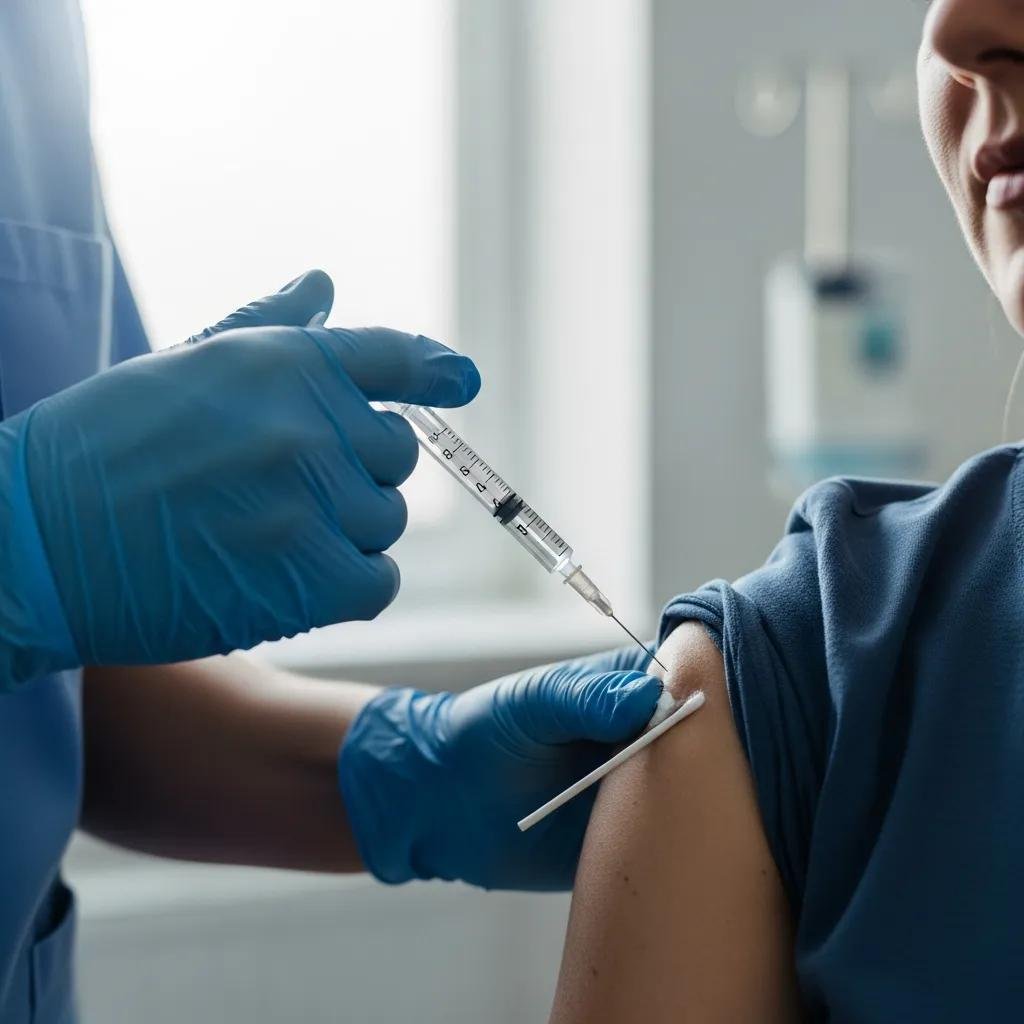
Injectable treatments fall into two functional classes: neuromodulators that relax overactive muscles to soften dynamic wrinkles, and dermal fillers or biostimulators that restore lost volume and support collagen. Neuromodulators such as Botox and Dysport work by reducing muscle signaling to crease-forming muscles, producing smoother expression lines within days and lasting three to four months on average. Dermal fillers—brands commonly used clinically include hyaluronic acid options and collagen-stimulating agents—provide immediate volume for cheeks, lips, and under-eye hollows or stimulate gradual collagen deposition for longer-term contouring. Candidates should expect minimal recovery, transient swelling or bruising, and a treatment plan directed by a qualified provider to optimize natural results and safety.
What Skin Rejuvenation Procedures Improve Texture and Tone?
Skin rejuvenation includes chemical peels (like VI Peel), microneedling (including RF microneedling such as the Lutronic Genius), laser resurfacing (Er:YAG), IPL photofacials, and LED therapy, each using controlled injury or light to trigger repair. Chemical peels exfoliate and accelerate cell turnover to address surface texture and pigmentation; microneedling creates microinjuries that stimulate collagen and improve acne scarring and pores; fractional Er:YAG resurfacing removes damaged epidermis and remodels dermal collagen for deeper lines. Treatment courses usually range from a single session for mild issues to a series for more extensive concerns, with recovery varying by intensity—from little to several days of visible healing—and follow-up care focused on sun protection and gentle skin support.
How Do Body Contouring and Weight Loss Programs Enhance Your Wellness?
Non-surgical body contouring reduces focal fat deposits using targeted thermal or energy-based mechanisms, while medically supervised weight-loss programs use pharmacologic and behavioral strategies to achieve systemic weight reduction and metabolic health. Focal treatments like SculpSure employ laser energy to heat and disrupt adipocytes in treated areas, producing gradual fat clearance over weeks to months. Medically supervised programs using agents such as Semaglutide and Tirzepatide act on appetite and metabolic pathways to support meaningful weight loss when combined with nutrition and monitoring. Both approaches can complement one another: contouring refines stubborn areas after weight-loss, while medication-assisted programs address overall body composition and health.
| Approach | Mechanism | Session Length & Expected Results |
|---|---|---|
| SculpSure (non-invasive laser) | Laser-induced adipocyte disruption | ~25-minute treatments; visible changes in 6–12 weeks |
| Semaglutide / Tirzepatide (medicated program) | Appetite and metabolic modulation | Ongoing program with clinical monitoring; weight loss over months |
| Combination strategy | Sequential systemic weight loss then focal contouring | Improved proportions and sustained aesthetic outcomes |
Choosing between focal contouring and systemic weight-loss programs depends on goals, body composition, and medical suitability; a medical assessment determines the safest, most effective plan.
The next subsections describe SculpSure’s role and how medication-assisted programs support lasting results.
What Non-Invasive Fat Reduction Options Does Shore MedSpa Offer?
Non-invasive options for focal fat reduction use controlled heat or cooling to injure fat cells without surgery, leading to gradual contour changes with little downtime. SculpSure, a widely used laser-based platform, delivers targeted heat to adipose tissue in sessions that typically last under 30 minutes per area and require no incision, with patients returning to normal activity immediately. Ideal candidates are close to their goal weight with localized pockets of fat that resist diet and exercise; multiple treatment cycles may be recommended to reach desired contouring. Safety depends on appropriate device selection and clinical oversight, and results mature over weeks as the body clears disrupted fat cells.
How Do Medically Supervised Weight Loss Programs Support Lasting Results?
Medically supervised programs combine prescription medications that affect appetite and metabolism with structured nutrition counseling, behavior change strategies, and periodic clinical monitoring to support sustained weight loss. Agents such as Semaglutide and Tirzepatide enhance satiety and improve glycemic and metabolic markers, producing weight reductions over several months when paired with lifestyle modification. Medical oversight ensures dosing is individualized, side effects are managed, and comorbidities are monitored—improving safety and long-term adherence compared with unsupervised approaches. Integrating weight management with aesthetic planning often yields the best proportions and increases the durability of contouring and skin-based treatments.
What Laser Treatments Are Offered for Hair Removal and Skin Concerns?
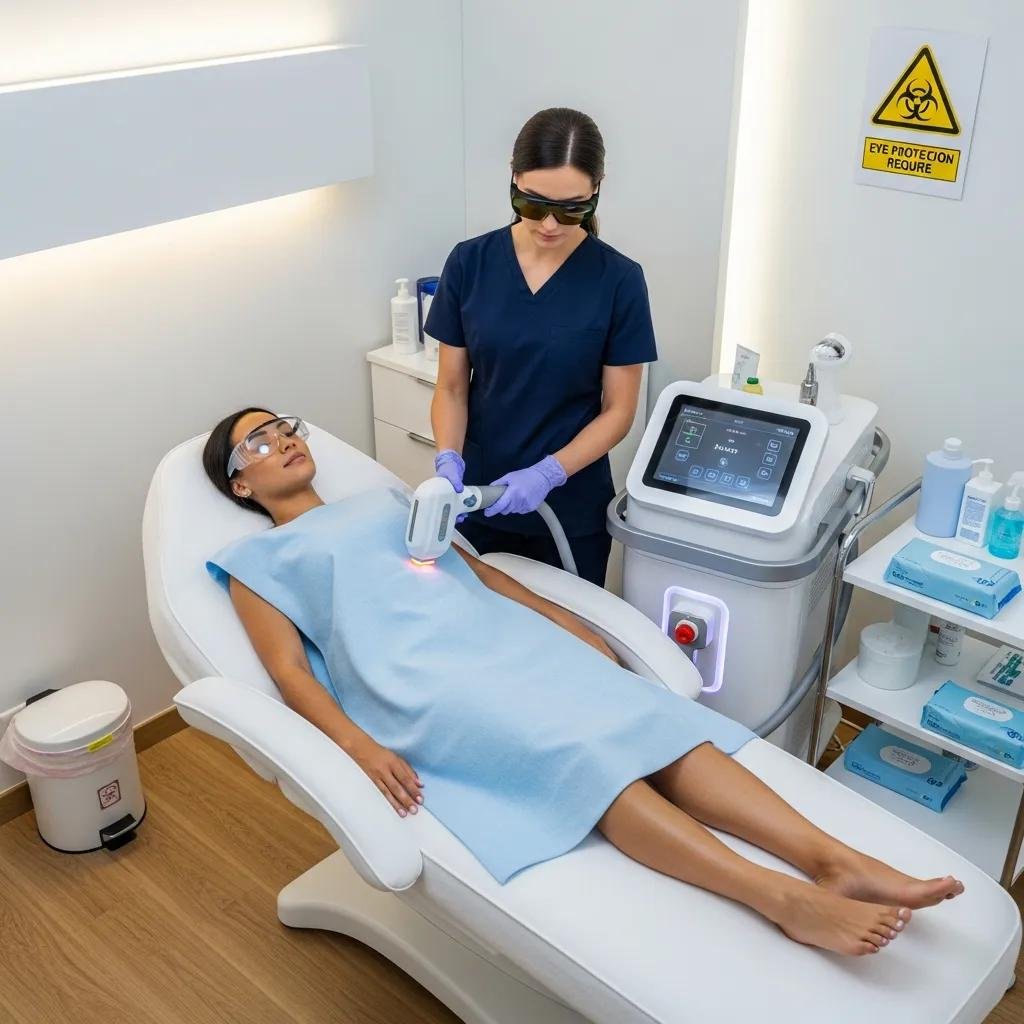
Laser and light-based devices treat unwanted hair, tattoos, scarring, pigmentation and skin texture by delivering focused energy to target chromophores or tissue structures, prompting selective damage that is cleared by the body and replaced with improved tissue. Laser hair removal targets melanin in hair follicles through selective photothermolysis, reducing growth after a series of treatments spaced weeks apart; candidacy depends on hair color and skin type. Tattoo removal uses high-energy pulses to fragment ink particles, requiring multiple sessions spaced several weeks to months apart to allow immune clearance. Resurfacing lasers like Er:YAG ablate damaged layers to stimulate remodeling, while IPL treats diffuse pigment and vascular concerns with lower downtime. A concise comparison table below helps clarify typical sessions and recovery expectations.
| Laser Approach | Indication | Sessions / Recovery |
|---|---|---|
| Laser Hair Removal | Unwanted terminal hair | 6–8 sessions; minimal downtime |
| Laser Tattoo Removal | Tattoo ink fragmentation | Multiple sessions (varies); healing days between |
| Er:YAG Resurfacing | Deep lines, texture, scarring | 1–3 sessions depending on depth; several days recovery |
The following H3s explain how hair removal works in practice and the benefits of tattoo and scar removal so readers can set realistic expectations.
How Does Laser Hair Removal Work for Aspen Hill Patients?
Laser hair removal works by delivering light absorbed by melanin in the hair shaft and follicle, converting energy to heat that disables follicular growth without significant surface injury. Treatments are scheduled in intervals that match hair growth cycles—typically four to six weeks apart—to target hairs entering the active growth phase, and multiple sessions produce progressive hair reduction rather than a single permanent clearance. Skin type and hair color influence device selection and safety considerations; providers adjust parameters to minimize pigmented-skin risks while maximizing efficacy. Proper pre- and post-care—sun avoidance and gentle skincare—reduces complications and supports consistent results across treatment sessions.
What Are the Benefits of Laser Tattoo and Scar Removal?
Laser tattoo removal breaks ink particles into smaller fragments that immune cells gradually clear, with outcome depending on ink color, depth, and previous layering; multiple sessions spaced several weeks to months apart are usually necessary. Scar revision with lasers combines resurfacing and targeted energy delivery to remodel collagen, soften raised scars, and improve texture; adjunctive therapies like microneedling or topical regimens may enhance outcomes. Realistic expectations are essential: significant improvement is common, but complete erasure of deep or dark tattoos and severe scarring is not always achievable. Safety and device selection are critical—clinician expertise guides the optimal sequence and intensity to balance effectiveness with recovery time.
Why Choose Shore MedSpa & Bio Aesthetics for Aspen Hill Med Spa Services?
Shore MedSpa & Bio Aesthetics is led by Board-Certified Dermatologist Dr. Ronald Shore and offers a range of physician-overseen cosmetic dermatology and med spa services that align with the treatment categories discussed above. When selecting a provider, look for clinician-led assessment, individualized treatment planning, and access to advanced devices and evidence-based injectables; these elements together promote safety and predictable outcomes. The practice’s stated service menu includes injectables (Botox, Dysport, Restylane, Kysse, Sculptra), peels (VI Peel), RF microneedling (Lutronic Genius), Er:YAG resurfacing, IPL, laser hair removal, laser tattoo removal, SculpSure body contouring, and medically supervised Semaglutide and Tirzepatide programs, illustrating a comprehensive, multi-modality approach.
- Physician leadership: Board-certified dermatology oversight for treatment selection and safety.
- Advanced technologies: Access to several clinically proven devices for tailored care.
- Integrated plans: Combination strategies across injectables, lasers, and weight management for durable outcomes.
This mix of clinical oversight and technology supports individualized care pathways that prioritize natural-looking results and patient safety; readers interested in an initial consult should consider physician-led practices when planning med spa treatments.
How Does Board-Certified Dermatologist Dr. Ronald Shore Ensure Safety and Quality?
Board-certified dermatology leadership means clinical decision-making is informed by specialized training in skin disease, anatomy, and procedural safety, which reduces the risk of adverse events and improves treatment selection. Physician involvement typically includes initial assessment, selection of appropriate modalities, and oversight of injectables and energy-based procedures to ensure dosing and device parameters match patient goals and skin characteristics. Such oversight is especially important for complex cases—combining resurfacing with injectables or integrating weight-loss medications—where clinical judgment optimizes sequencing and monitoring. Patients benefit from documented clinical standards, careful follow-up, and a medical framework that prioritizes long-term skin health alongside aesthetic improvement.
What Advanced Technologies and Personalized Care Are Provided?
Advanced technologies listed in the practice menu include RF microneedling (Lutronic Genius) for collagen remodeling, Er:YAG laser for resurfacing, IPL photofacial for pigment and vascular concerns, and SculpSure for non-invasive fat reduction—each chosen to address specific tissue targets and recovery expectations. Personalized care begins with a thorough assessment of skin type, medical history, and aesthetic goals, followed by a tailored plan that sequences modalities to maximize efficacy and minimize downtime. Follow-up protocols monitor response and adjust treatments over time to sustain improvements and address evolving needs, combining procedural interventions with medical therapies when appropriate to support both appearance and overall wellness.