Chemical Peels in Rockville, MD: Discover Benefits, Costs, and Treatments at Shore MedSpa
Chemical peels are controlled chemical exfoliation treatments that remove damaged outer skin layers to improve texture, tone, and clarity. They work by breaking down the bonds between dead skin cells, accelerating cell turnover, and stimulating collagen remodeling to reduce fine lines, pigmentation, and acne-related irregularities. This article explains how chemical peels work, the common peel categories and ingredients used locally in Rockville, appropriate uses for different skin conditions, expected recovery timelines, and the factors that influence cost and treatment choice. Readers will also find practical preparation and aftercare guidance to maximize results and reduce complications, with attention to options such as VI Peel and AHA peels offered locally. Shore MedSpa & Bio Aesthetics, led by Dr. Ronald Shore, provides customized peel protocols and clinical oversight; that local expertise is noted briefly where relevant while keeping the focus on clinical information. Read on for concise comparisons, treatment indications, pricing drivers, and step-by-step expectations for a safe, effective peel experience.
What Are Chemical Peels and How Do They Improve Skin in Rockville?
Chemical peels are dermatologic procedures that use acidic solutions to exfoliate the epidermis and sometimes the upper dermis, prompting regeneration and improved skin architecture. By removing damaged cells and triggering controlled inflammation, peels increase epidermal turnover and stimulate dermal collagen synthesis, which improves texture, reduces pigmentation, and softens fine lines. Peels are classified by depth—superficial, medium, and deep—each with different active ingredients and recovery profiles that determine suitability for specific concerns. Understanding these classifications helps patients choose the right approach for indications such as sun damage, melasma, acne scarring, or superficial textural irregularities.
The following table summarizes common peel categories, representative active ingredients, and typical outcomes and downtime to aid quick comparison for patients considering treatment. This comparison clarifies trade-offs between efficacy and recovery so readers can evaluate options before consultation.
| Peel Type | Active Ingredient(s) | Typical Result & Downtime |
|---|---|---|
| Superficial (AHA/BHA) | Glycolic acid, lactic acid, salicylic acid | Mild exfoliation, improved tone; minimal downtime (1–3 days) |
| Medium (TCA, blended) | Trichloroacetic acid blends, higher-strength AHAs | Reduces pigmentation and superficial scars; peeling 3–7 days |
| Deep (Phenol/TCA high) | Phenol or high-concentration TCA | Significant resurfacing for deep lines; prolonged recovery and medical supervision |
This table helps patients see how active ingredients map to expected effects and recovery, and it sets the stage for choosing a peel based on individual goals and downtime tolerance.
What Types of Chemical Peels Are Offered at Shore MedSpa?
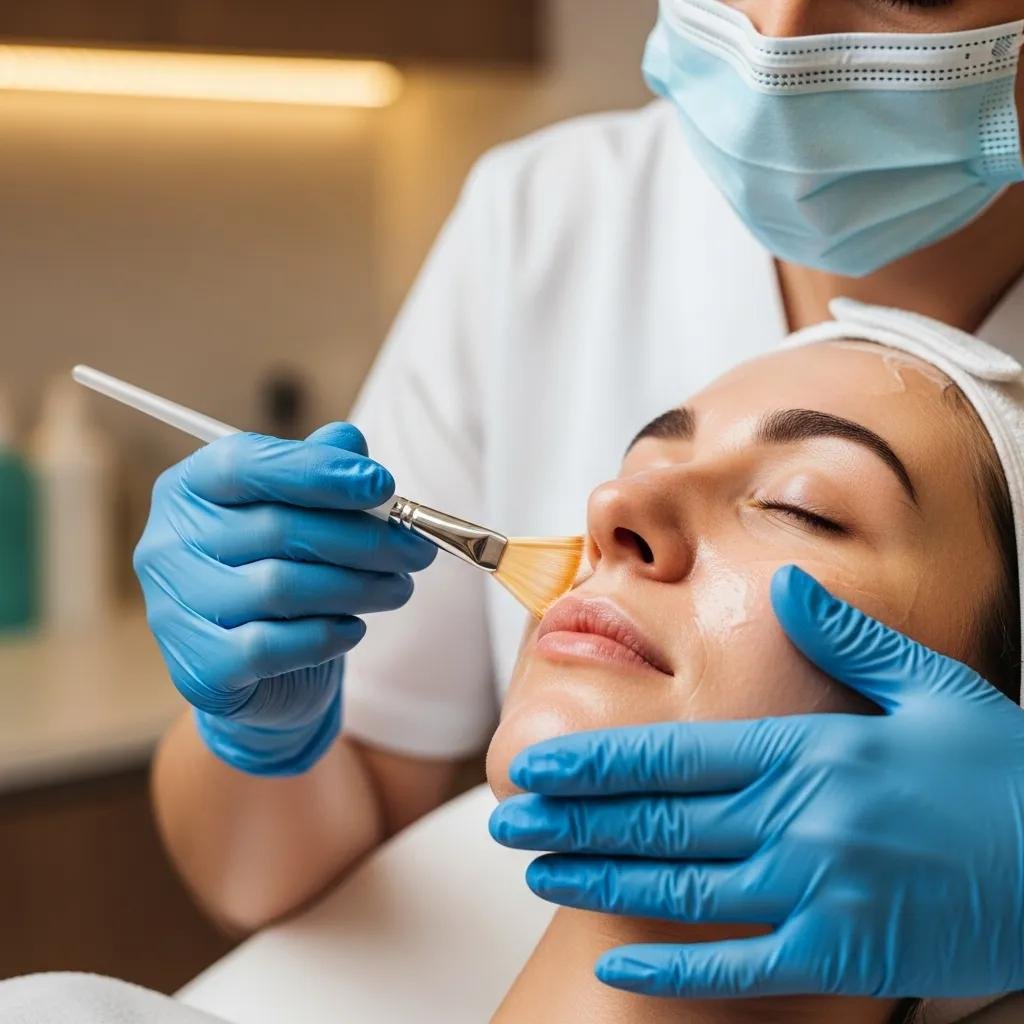
Shore MedSpa & Bio Aesthetics provides targeted peel options including AHA-based peels for gentle resurfacing and the branded VI Peel for multi-ingredient resurfacing with pigment and acne indications. AHAs like glycolic and lactic acids are ideal for mild texture and superficial hyperpigmentation and typically produce light, short-lived peeling and rapid recovery. The VI Peel combines TCA, retinoids, and supportive agents to address pigmentation, acne scarring, and uneven tone with a predictable peeling phase and measurable improvement over a series. Candidates are evaluated by clinical staff to match skin type, pigment concerns, and lifestyle needs to ensure safe, effective selection of peel depth.
How Do Chemical Peels Treat Common Skin Conditions?
Chemical peels treat conditions through distinct biological mechanisms: superficial peels accelerate epidermal turnover to remove pigmented keratinocytes, medium peels reach superficial dermis to remodel collagen for scar improvement, and deeper peels create controlled injury that triggers robust remodeling for severe photoaging. For hyperpigmentation and melasma, repeated superficial to medium peels help disperse epidermal pigment and reduce visible contrast while emphasizing maintenance and sun protection to avoid recurrence. For acne scarring and sun damage, medium-depth peels stimulate collagen synthesis and smooth irregular texture, though deep atrophic scars may require combination therapy with resurfacing lasers or microneedling for optimal results.
What Are the Benefits of Chemical Peels in Rockville, MD?
Chemical peels offer a range of clinical and cosmetic benefits that address tone, texture, and structural skin concerns with variable downtime to match patient priorities. They can quickly reduce fine lines, improve skin texture, diminish superficial pigmentation, and decrease the appearance of acne-related discoloration, with cumulative benefits when performed in a series. Peels also complement other cosmetic dermatology modalities by priming skin for lasers or injections and by enhancing topical therapy penetration for better long-term outcomes. Recent studies and contemporary practice emphasize individualized protocols to maximize benefit while minimizing risk, especially for patients with darker skin tones or active pigmentary disorders.
Common benefits include the following practical outcomes and timelines, which help patients set realistic expectations before treatment:
- Improved Texture: Smoother skin surface after peeling and collagen stimulation.
- Evened Tone: Reduced blotchy pigmentation and sunspots with serial peels.
- Acne and Scar Improvement: Reduced post-inflammatory hyperpigmentation and softened superficial scars.
- Reduction in Fine Lines: Mild-to-moderate smoothing of expression lines through dermal remodeling.
- Enhanced Product Absorption: Improved topical results following epidermal renewal.
These benefits typically evolve over weeks to months, with superficial peels showing faster but subtler changes and medium peels producing more pronounced improvement over several weeks. Shore MedSpa’s in-clinic options such as AHA peels and VI Peel are used selectively to align these benefits with patient goals under board-certified dermatologic oversight.
How Do Chemical Peels Address Hyperpigmentation and Melasma?
Chemical peels reduce visible pigment by removing pigmented keratinocytes and promoting even distribution of melanin through accelerated cell turnover, which lightens focal hyperpigmented areas over successive treatments. Superficial peels (glycolic, lactic acids) are often first-line for epidermal hyperpigmentation, while medium peels can address more recalcitrant pigment but carry higher risk in darker skin tones. Melasma often requires a combination approach—peels plus topical pigment inhibitors and strict photoprotection—because recurrence is common without maintenance. Careful patient selection and conservative peel strength reduce post-inflammatory hyperpigmentation risk and improve long-term stability.
Can Chemical Peels Reduce Acne Scars and Sun Damage?
Peels improve acne scarring and sun damage by stimulating collagen remodeling and removing pigmented and roughened epidermal layers, which smooths texture and reduces dyspigmentation. Superficial peels help with discoloration and minor surface irregularities, whereas medium peels promote dermal repair that benefits rolling or shallow boxcar scars. Deep or surgical-level resurfacing may be required for icepick scars or severe photoaging, and combination therapies (e.g., microneedling, fractional lasers) are often recommended for comprehensive scar remodeling. Treatment planning considers scar morphology, skin type, and the need for adjunctive procedures to achieve meaningful, lasting improvement.
How Much Do Chemical Peels Cost in Rockville, MD?
Chemical peel cost varies based on peel depth, formulation complexity, provider expertise, and whether adjunctive products or pre/post visits are included in care plans. Superficial peels are typically less resource-intensive and may be priced lower than medium or deep peels, which require longer office time and more intensive aftercare. Provider credentials, such as treatment by a board-certified dermatologist versus nonmedical providers, influence price because of the differing levels of clinical oversight and safety. For exact pricing and package options, patients should consult directly for a personalized estimate that reflects their chosen peel type and treatment plan.
The following table explains common pricing drivers to help patients understand why estimates vary and what to ask during a consultation.
| Factor | How It Affects Price | Typical Example |
|---|---|---|
| Peel Depth | Deeper peels need more clinic resources and follow-up | Medium peels cost more than superficial peels |
| Provider Credentials | Board-certified dermatologic oversight can increase fees | Dermatologist-led protocols vs general medspa staff |
| Number of Sessions | Multiple sessions increase total cost but may be packaged | Series pricing vs single-treatment rate |
| Add-on Treatments | Combination therapies raise treatment complexity and cost | Peels plus topical agents or light therapy |
What Factors Influence Chemical Peel Pricing at Shore MedSpa?
At Shore MedSpa & Bio Aesthetics, pricing reflects peel depth, customization of the formula to address conditions like melasma or acne, clinician time for consultation and application, and any included pre- or post-procedure products or visits. Provider expertise—specifically oversight by a board-certified dermatologist—can affect cost because it brings diagnostic precision and tailored aftercare protocols that reduce complication risk. The number of sessions recommended and whether adjunctive therapies are combined also shape the final estimate, so an in-person or virtual consult is the most reliable way to receive an accurate quote.
Are There Financing or Package Options for Chemical Peels?
Many clinics, including local medspa practices, commonly offer packaged pricing for multiple sessions and may work with third-party financing to spread cost, though availability varies and must be confirmed directly with the provider. Packages for serial superficial peels or combined medium-peel protocols can offer per-session savings and clearer expectations for total investment. Patients are encouraged to ask about current promotions, series discounts, and payment options during consultation to plan treatment responsibly within their budget.
What Should You Expect Before, During, and After a Chemical Peel?
Preparation, the in-office procedure, and recovery form a predictable sequence that maximizes safety and results when followed closely. Before a peel, clinicians assess skin type, review medications, and may recommend pre-conditioning with topical agents or sunscreen to reduce complications. During the procedure, the solution is applied methodically, sensations such as warmth or mild stinging are common, and treatment time is typically minutes to an hour depending on depth. After a peel, patients can expect a peeling phase, transient erythema, and a staged recovery during which strict sun protection and gentle care are essential to support healing and outcome durability.
The stepwise timeline below summarizes what to expect so patients can plan downtime and aftercare appropriately.
- Preparation Phase: Skin evaluation, medication review, and possible preconditioning to reduce sensitivity.
- Procedure Day: Application, monitoring, and neutralization if required; mild discomfort is common and brief.
- Recovery Timeline: Peeling and redness for days to weeks depending on depth; gradual improvement over weeks to months.
This clear expectation-setting reduces anxiety and helps patients adhere to aftercare that preserves results and minimizes complications, leading into specific preparation and aftercare guidance.
How to Prepare for Your Chemical Peel Appointment in Rockville?
Preparation typically includes stopping certain topical actives such as retinoids or aggressive exfoliants per clinician guidance, increasing sun protection to minimize baseline inflammation, and disclosing any photosensitizing medications or recent procedures. Patients may be advised to start gentle skin-conditioning agents to reduce irritation risk and to avoid tanning, waxing, or other resurfacing treatments in the weeks prior to appointment. A clear medication and treatment history allows the provider to choose the safest peel strength and schedule, and following pre-procedure instructions reduces the chance of post-peel complications. Proper preparation ensures that the peel targets the intended structures and that recovery proceeds predictably.
What Is the Recommended Aftercare for Optimal Results?
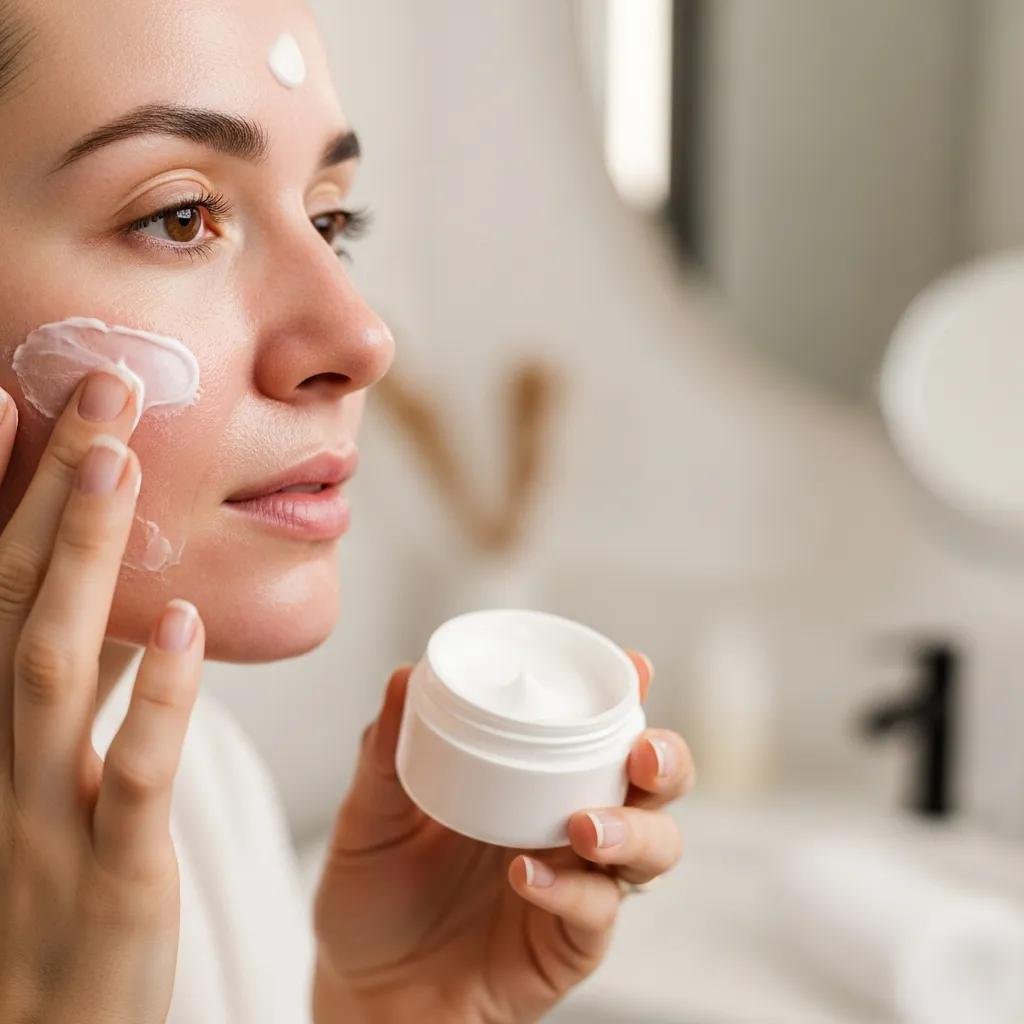
Aftercare focuses on protecting the new epidermis, minimizing inflammation, and supporting barrier repair with gentle cleansers, emollient moisturizers, and high-SPF broad-spectrum sunscreen applied diligently. Patients should avoid picking or abrasive products during the peeling phase, refrain from direct sun exposure, and use only clinician-recommended topical agents until the skin fully re-epithelializes. Signs such as excessive swelling, blistering, or pus warrant prompt clinical contact for assessment and treatment. Shore MedSpa offers structured follow-up and individualized aftercare instructions to support healing and long-term maintenance under professional supervision.