What to Expect During Your Med Spa Treatment Session: A Med Spa First Visit Guide
A med spa treatment session is a clinician-supervised aesthetic procedure that combines medical assessment with non-surgical cosmetic therapies to improve skin quality, contour, and overall wellness. This guide explains what happens before, during, and after your first med spa appointment so you can approach the experience with clear patient expectations and less anxiety. You will learn how to prepare for a consultation, what questions and medical-history items are important, how providers analyze skin and design personalized treatment plans, what sensations and time commitments to expect for common procedures, and practical aftercare steps to support recovery and results. The information emphasizes safety protocols, typical timelines for results, and how follow-up and maintenance are organized under medical oversight. Throughout the guide we use terms like med spa treatment experience, treatment day guide, and med spa post-procedure care so you can easily map these expectations to your own first med spa appointment and ask informed consultation questions. Recent practice patterns show that a structured consultation and clear aftercare plan are central to achieving predictable outcomes and minimizing downtime.
How Should You Prepare for Your Med Spa Consultation?
Preparing well helps the consultation focus on goals and safety, and reduces surprises on treatment day. A productive consultation begins with documented medical history, a current medication list, and clear communication about past procedures or reactions; this helps the clinician determine appropriate options and necessary precautions. Practical steps include stopping certain active skincare ingredients ahead of time, arriving with clean skin and minimal makeup, and wearing comfortable, accessible clothing if body treatments are a possibility. Being ready with photos of your desired outcomes and a list of questions speeds decision-making and ensures your practitioner can create a realistic, personalized treatment plan.
- Bring a current list of medications and allergies so providers can assess interactions and risks.
- Avoid retinoids or strong exfoliants for several days before consults for treatments like chemical peels or lasers.
- Wear loose clothing when a body-contouring or injectable session may be performed to allow easy access.
These simple preparations reduce procedural risk and let the visit focus on treatment selection and timeline, rather than administrative or skincare issues.
What Medical History and Forms Are Required Before Your Visit?

Intake forms and a medical history review define safety and eligibility for med spa procedures and are standard practice at medical spas. Providers typically ask about current medications, past surgeries or cosmetic procedures, autoimmune conditions, pregnancy status, and known allergies because these factors directly influence treatment selection and dosing. Consent forms explain risks and expected outcomes and often include questions about prior reactions to local anesthetics or fillers, which guide the clinician’s approach. Completing accurate forms and answering questions honestly helps the practitioner design a safe, effective plan and reduces the chance of complications during treatment.
What Skincare Regimen and Attire Are Recommended Before Your Appointment?
Skin preparation and suitable clothing reduce complication risk and increase comfort during treatment sessions. Patients are generally advised to avoid topical retinoids, chemical exfoliants, and harsh hair removal in treatment zones for several days before procedures that sensitize skin, such as chemical peels or laser resurfacing. Arrive with a clean face—no makeup or heavy lotions—and choose breathable, loose garments for body treatments or areas requiring access. Hydration and sun protection in the days leading up to a session also support skin resilience and reduce post-procedure inflammation.
What Happens During Your First Med Spa Consultation?
A first med spa consultation is a structured evaluation where the practitioner assesses health, skin type, and aesthetic goals to create a personalized treatment plan. The visit typically includes a medical-history review, a focused skin or body examination, imaging or magnified skin analysis when appropriate, and an explanation of recommended procedures, sequencing, expected outcomes, and aftercare. Under clinical oversight—often led by a board-certified dermatologist or other qualified medical professional—recommended plans are tailored to your unique anatomy and medical profile to balance efficacy with safety. The goal of the consultation is to leave with a documented plan, an agreed timeline, and clear instructions for pre- and post-procedure care.
- Typical consultation sequence includes intake, discussion of goals, exam, and plan review.
- Patients should expect honest dialogue about realistic outcomes and any necessary pre-testing.
- A customized timeline and maintenance schedule are usually provided to support longer-term results.
The structured consultation culminates in scheduling the procedure and reviewing immediate pre-treatment instructions, which ensures a smoother treatment day.
| Consultation Element | What Happens | Patient Action / Outcome |
|---|---|---|
| Medical History Review | Provider collects meds, allergies, past procedures | Patient discloses accurate health info; determines eligibility |
| Skin/Body Analysis | Visual exam and imaging assess skin type and concerns | Identifies targeted treatments and necessary patch tests |
| Goal-Setting & Plan | Practitioner outlines options, sequencing, timelines | Patient chooses approach and receives pre/post instructions |
How Do You Meet Your Practitioner and Discuss Your Goals?
Initial conversation with the practitioner sets expectations and defines success criteria for treatment. Expect questions about what you want to change, prior cosmetic history, lifestyle factors, and tolerance for downtime; answering candidly helps clinicians prioritize safety and efficacy. Sample patient prompts include showing photos of desired results and asking about recovery timelines or alternative approaches. Clear goal-setting balances aesthetic ambition with realistic outcomes, and the clinician will often describe benefits, risks, and typical timelines to ensure shared understanding before proceeding.
How Is Your Skin Analyzed and a Personalized Treatment Plan Developed?
Skin analysis combines visual assessment, discussion of symptoms, and occasional imaging or magnified photography to identify texture, pigmentation, vascular issues, and skin laxity. Findings map to specific procedure types—e.g., superficial discoloration to topical/light peels, textural irregularities to RF microneedling, and fat pockets to body-contouring elements—so that treatments are sequenced logically for safety and cumulative benefit. Medical supervision, such as oversight by a board-certified dermatologist or other qualified medical professional, ensures that recommended combinations and follow-up intervals are clinically appropriate and documented for continuity of care.
What Can You Expect During Your Med Spa Treatment Session?
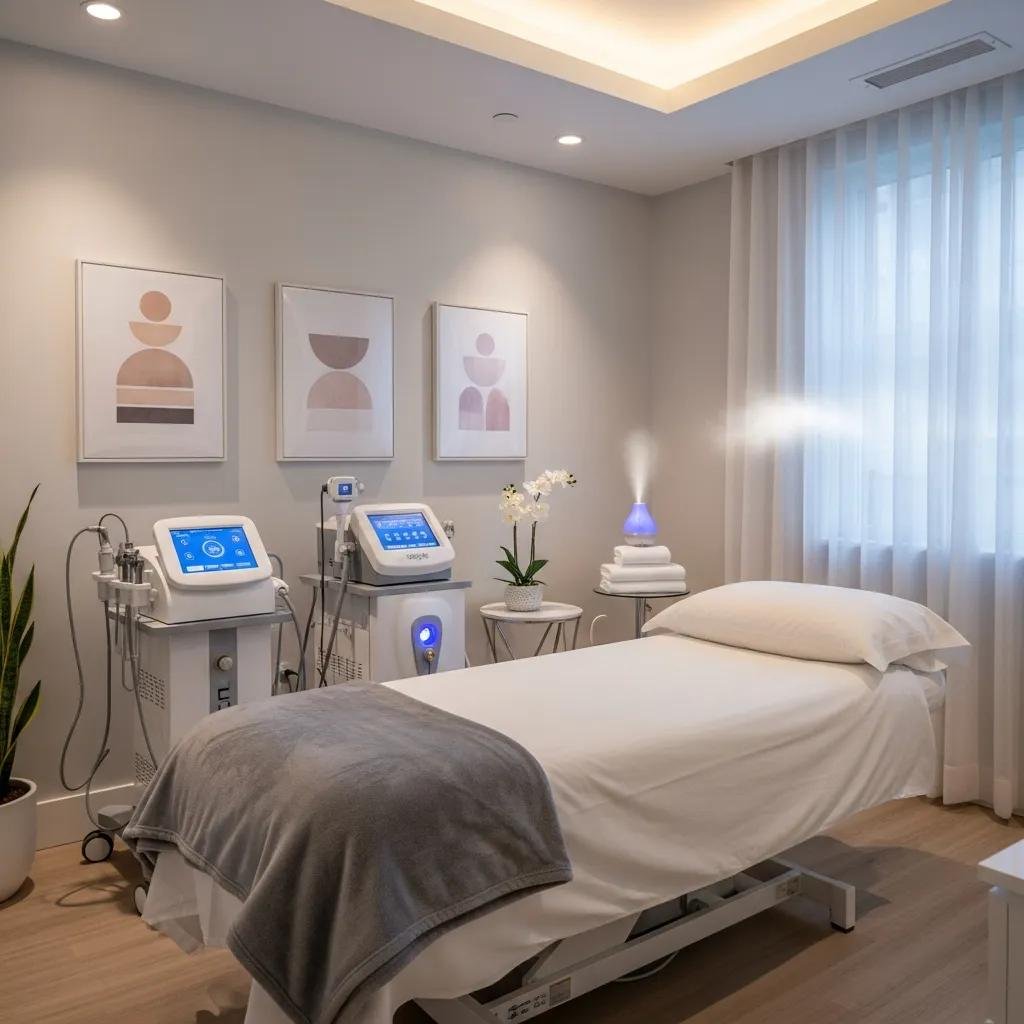
A treatment session involves preparation, the procedure itself, and a brief immediate-observation period to confirm comfort and safety. Common procedures performed in med spas include injectables (Botox and dermal fillers), laser treatments, chemical peels, RF microneedling, body contouring like SculpSure, and supportive therapies such as NAD+ therapy. Sensations vary by procedure: injectables often feel like brief pinches, lasers produce heat or tingling, and peels cause stinging or tightness; topical anesthetics and cooling devices are commonly used to reduce discomfort. Safety protocols include consent confirmation, patch testing when indicated, sterile technique, and monitoring for immediate adverse reactions.
- Expect short, targeted procedures for injectables with minimal downtime.
- Anticipate warmer, tingling sensations during laser or resurfacing sessions.
- Plan recovery time according to procedure intensity and your practitioner’s guidance.
Knowing typical sensations and safety steps helps set realistic med spa treatment expectations and supports informed consent.
| Procedure | Typical Sensation | Typical Duration / Recovery |
|---|---|---|
| Injectables (Botox, fillers) | Brief pinch or pressure | 15–60 minutes; minimal downtime |
| Laser resurfacing / IPL | Warmth, stinging, transient redness | 30–90 minutes; redness/peeling days–weeks |
| Chemical peel | Tingling, stinging, controlled peeling | 15–60 minutes; peeling over days |
What Are Common Procedures and Their Typical Sensations?
Injectables typically register as quick pinches followed by localized pressure and minimal residual tenderness, and they permit prompt return to most activities. Laser procedures and RF microneedling introduce heat and a tingling or prickling sensation during treatment; immediate redness and swelling are common and can persist from hours to several days depending on intensity. Chemical peels produce a controlled stinging sensation and lead to a predictable peeling cycle over the following week, with sun protection and gentle skincare essential for optimal healing.
How Long Do Treatments Usually Last and What Safety Protocols Are Followed?
Treatment times vary: injectables often take 15–60 minutes including consultation and prep, superficial peels and light lasers typically last 15–45 minutes, while more intensive resurfacing or combined sessions can take 60–120 minutes. Standard safety protocols include confirming informed consent, performing patch tests when needed, maintaining sterile technique, and monitoring vital signs or comfort throughout longer procedures. Post-procedure observation for immediate adverse reactions is routine, and clinics frequently provide emergency-ready protocols to manage rare complications.
What Are Essential Post-Treatment Care and Aftercare Tips?
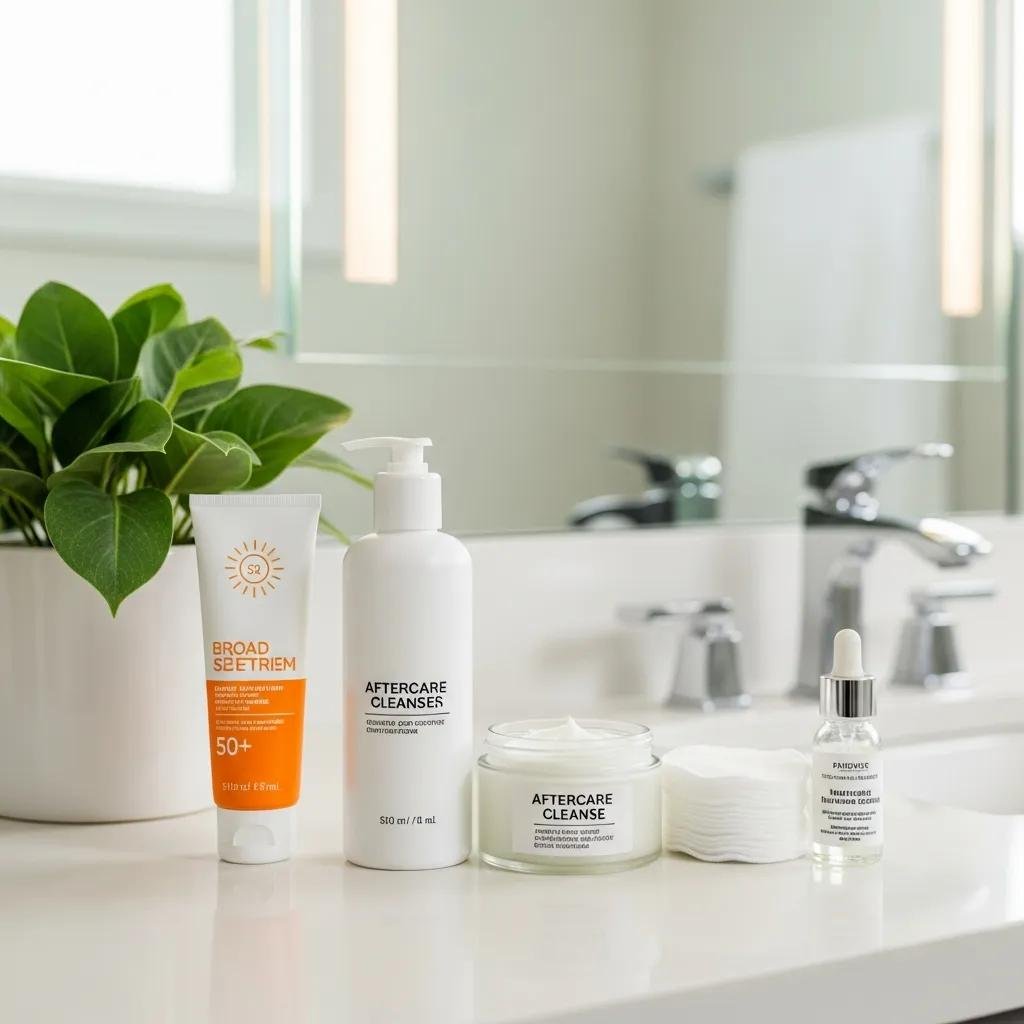
Effective aftercare minimizes complications and supports desired outcomes, with immediate steps focused on cooling, gentle cleansing, and sun protection. Patients should receive clear instructions for the first 24–72 hours—such as avoiding strenuous exercise, using cold compresses for swelling, and applying recommended topical agents—and guidance about expected transient side effects like bruising. Follow-up plans, often included as part of the personalized treatment plan developed at consultation, map maintenance visits, touch-ups, and longer-term skin-health strategies. Knowing when a symptom is a normal part of recovery versus a sign to contact the clinic helps patients avoid unnecessary worry and ensures timely care escalation if needed.
- Immediate aftercare typically emphasizes cooling and avoiding heat or intense activity.
- Short-term signs like mild swelling or bruising are usually self-limited and manageable.
- Schedule follow-up visits as instructed to assess results and plan maintenance.
These aftercare principles maintain safety and support durable outcomes while integrating into a longer-term maintenance strategy overseen by your clinician.
| Immediate Aftercare Step | Why It Matters | Typical Timeframe / Tips |
|---|---|---|
| Cooling & elevation | Reduces swelling and discomfort | First 24–72 hours; use cold compresses intermittently |
| Gentle cleansing | Prevents infection and protects barrier | Daily with mild cleanser; avoid scrubbing for 72 hours |
| Sun protection | Prevents hyperpigmentation after lasers/peels | Continuous; high-SPF sunscreen and physical barriers |
What Immediate Aftercare Should You Follow After Your Session?
In the first 24–72 hours after a procedure, focus on minimizing inflammation and protecting the treated area by using cold compresses, sleeping with head elevation if facial swelling is present, and avoiding sauna-style heat or vigorous exercise. Use only the topical products recommended by your provider and steer clear of exfoliating agents until the skin has fully recovered. Over-the-counter remedies like acetaminophen may be suggested for discomfort, but always confirm with your clinician before taking new medications to avoid interactions.
How Do You Manage Long-Term Maintenance and Potential Side Effects?
Long-term maintenance depends on the procedure: neuromodulators and fillers typically have refresh intervals measured in months, while laser or microneedling courses may require staged sessions spaced weeks apart to reach optimal results. Monitor for delayed reactions such as persistent irritation or unexpected pigmentation changes, and report these to your provider promptly; many clinics include follow-up check-ins as part of the personalized plan established at consultation. Adopting consistent sun protection, gentle daily skincare, and scheduled maintenance appointments helps preserve outcomes and supports overall skin health under ongoing medical supervision.