Med Spa Side Effects: Essential Post-Treatment Care Tips
Med spa side effects are the expected, usually temporary skin and tissue reactions that follow aesthetic procedures, and proper post-procedure care both shortens recovery and reduces the risk of complications. This guide explains common reactions such as redness, swelling, bruising, peeling, itching, and hyperpigmentation, why they occur, and how targeted aftercare mitigates inflammation and speeds healing. Readers will learn symptom-specific home remedies, medication and activity guidance, sun-protection strategies to prevent pigment changes, and clear escalation criteria for when to seek clinical attention. The article maps recovery timelines across injectables, lasers, chemical peels, and microneedling, provides quick-reference tables for symptom management, and outlines provider-level safety practices that reduce risk. Throughout, actionable lists and EAV-style tables deliver concise “do this / call if” guidance for post-procedure swelling relief, managing redness, preventing hyperpigmentation after laser, and handling bruising after Botox and fillers. Implementing these steps supports safe aesthetic treatment recovery and lowers the chance of adverse events.
What Are the Most Common Side Effects After Med Spa Treatments?
Common side effects after med spa treatments are local, procedure-specific tissue responses caused by mechanical, chemical, or thermal injury that trigger inflammation and repair processes. These reactions typically include transient redness (erythema) from increased blood flow, swelling from fluid and cellular influx, bruising from capillary injury, peeling from epidermal exfoliation, itching from nerve irritation, and hyperpigmentation from melanocyte stimulation. Understanding which treatments most often cause each symptom helps set realistic expectations and informs post-procedure care decisions to reduce recovery time. The next section breaks down injectables and fillers, followed by laser and chemical peel effects to connect symptom patterns with specific therapies.
Common post-procedure side effects include:
- Redness (Erythema): Transient pinkness that often resolves in days for injectables and up to weeks after resurfacing.
- Swelling: Localized tissue puffiness common after injectables and body-contouring procedures, typically peaking 24–72 hours.
- Bruising (Hematoma): Visible discoloration from needle trauma after injectables, usually fading over 1–2 weeks.
- Peeling and Flaking: Epidermal shedding after chemical peels and ablative lasers, often lasting 3–10 days.
- Hyperpigmentation: Darkening of treated skin that can persist weeks to months if not prevented with sunscreen.
These symptoms map to treatment types and expected recovery timelines, which clarifies appropriate self-care and professional follow-up.
This table summarizes expected side effects and typical durations by treatment to aid quick comparisons.
| Treatment | Common Side Effects | Typical Duration |
|---|---|---|
| Botox (neurotoxin) | Mild swelling, bruising, transient headache | 1–7 days |
| Dermal Fillers | Swelling, bruising, firmness or small lumps | 7–14 days |
| Laser resurfacing (Er:YAG, IPL) | Redness, swelling, peeling, sensitivity | 3–21 days |
| Chemical peels (VI Peel) | Peeling, redness, transient hyperpigmentation risk | 3–10 days |
| Microneedling (RF microneedling) | Redness, pinpoint bleeding, mild swelling | 2–7 days |
This comparison helps patients anticipate recovery and select appropriate post-procedure measures, leading into targeted management strategies for swelling, redness, and bruising.
Which Side Effects Occur After Botox and Dermal Fillers?
Injectable treatments commonly produce bruising, localized swelling, temporary tenderness, and occasional lumps or asymmetry due to product placement or tissue response. Needle trauma explains most bruising and pinpoint bleeding, while filler volume causes predictable swelling as tissues accommodate material; headaches or transient flu-like sensations can occur after neurotoxin injections. Prevention strategies include avoiding aspirin and some NSAIDs before procedures when medically appropriate, gentle pressure and cold in the first 24–48 hours, and avoiding strenuous activity that raises blood pressure shortly after injections. A rare but serious risk with dermal fillers is vascular occlusion, identified by severe pain, blanching, or unexpected tissue color changes, which requires immediate clinical intervention.
Clinicians advise staged treatments and conservative volumes to limit lumps and asymmetry, and patients should expect that small nodules often soften over several days. If firmness or persistent lumps remain beyond the expected window, evaluation by the treating provider is necessary to determine whether massage, observation, or medical treatment is indicated.
How Can You Effectively Manage Swelling, Redness, and Bruising Post-Treatment?
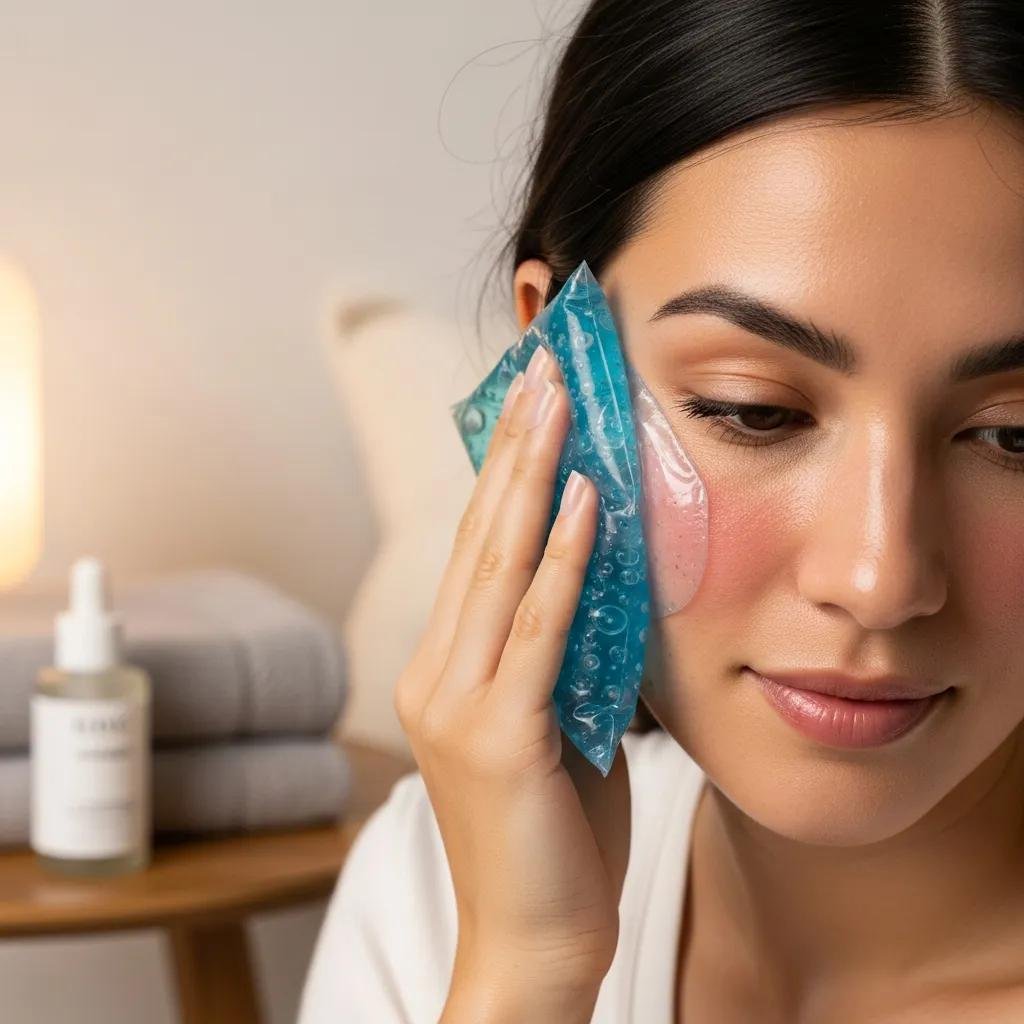
Effective management of swelling, redness, and bruising relies on immediate, simple measures that reduce inflammation and support tissue repair while avoiding actions that exacerbate bleeding or pigmentary change. Cold compresses applied intermittently during the first 24–48 hours constrict capillaries and limit swelling, while head elevation and sleep propped on pillows reduce dependent edema. Patients should avoid certain supplements and medications that increase bleeding risk unless instructed otherwise, and topical soothing agents and barrier creams can calm laser- or peel-related irritation. The EAV table below pairs common symptoms with immediate home care steps and thresholds for professional evaluation to clarify appropriate escalation.
| Symptom | Immediate Home Care | When to Seek Professional Care |
|---|---|---|
| Swelling | Cold compresses 10–15 minutes hourly, elevation | If swelling worsens after 72 hours or affects breathing/vision |
| Bruising | Cold for first 24 hours, gentle arnica optional | If hematoma expands rapidly or pain is severe |
| Redness/Irritation | Cool compresses, gentle cleanser, barrier moisturizer | If redness increases, is warm, or has purulent drainage |
| Pain | Acetaminophen as needed; avoid NSAIDs if advised | If pain escalates or is disproportionate to expected course |
What Are Best Practices for Reducing Swelling and Bruising After Injectables?
To reduce swelling and bruising after injectables, begin cold-compression therapy immediately and maintain intermittent cooling for the first 24–48 hours to limit capillary leakage and edema formation. Patients should avoid strenuous exercise, hot showers, saunas, and alcohol for 24–48 hours to prevent increased blood flow that can worsen bruises, and they may consider topical arnica or bromelain supplements if appropriate and cleared by their clinician. Makeup can usually be applied after the first 24 hours if the skin is intact, but avoid massaging treated areas vigorously unless instructed by the provider. If a bruise grows rapidly, becomes increasingly painful, or there is sudden asymmetric swelling, contact the treating clinician promptly for assessment and potential intervention.
How to Soothe Redness and Irritation After Laser and Microneedling Treatments?
Post-laser and microneedling redness stems from controlled epidermal and dermal injury, and initial management focuses on cooling, gentle cleansing, and restoration of the skin barrier to accelerate re-epithelialization. Use cool compresses, non-irritating cleansers, and fragrance-free, occlusive moisturizers to maintain hydration and reduce transepidermal water loss while avoiding active exfoliants until the barrier is restored. Topical prescriptions such as anti-inflammatory creams or growth-factor serums may be advised by a clinician for specific procedures, and strict sun avoidance with physical barriers and high-SPF sunscreen is crucial to prevent post-inflammatory hyperpigmentation. Worsening pain, spreading redness, increasing warmth, or purulent drainage are signs of infection or burn that necessitate prompt clinical evaluation.
What Are Key Aftercare Steps to Prevent and Treat Med Spa Complications?
Key aftercare steps combine precise wound care, sun protection, medication guidance, and timely communication with providers to prevent complications and support predictable recovery. Before treatment, full disclosure of medical history and medications helps clinicians reduce risks, and following post-procedure instructions exactly—such as cleansing regimens, avoiding certain topical agents, and scheduled follow-ups—minimizes adverse outcomes. Sun protection with broad-spectrum SPF, physical barriers like hats, and pausing active retinoids or exfoliants until healed are critical measures to prevent hyperpigmentation after resurfacing or peels. If red-flag symptoms occur—severe progressive pain, fever, spreading redness, or signs of vascular compromise—seek immediate clinical assessment to reduce the chance of lasting damage.
As an example of provider-level escalation, Shore MedSpa & Bio Aesthetics offers medically supervised follow-up after procedures and emphasizes individualized instructions to manage complications when they arise. Patients should contact their treating clinic promptly for any concerning changes so clinicians can triage and initiate appropriate therapy.
How Does Proper Sun Protection Aid Recovery and Prevent Hyperpigmentation?
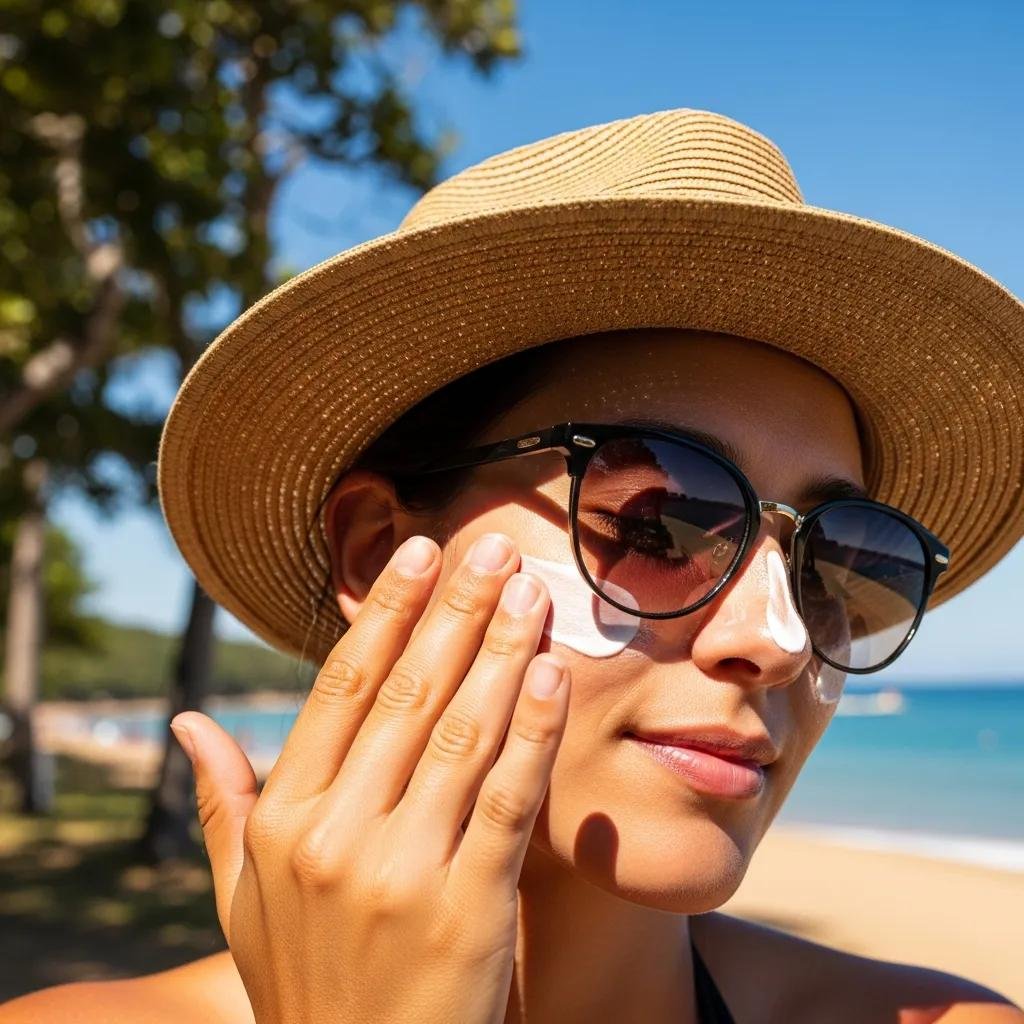
Proper sun protection prevents UV-driven activation of melanocytes during the vulnerable healing phase after laser resurfacing, chemical peels, or microneedling, thereby reducing the risk of post-inflammatory hyperpigmentation. Applying a broad-spectrum sunscreen with high SPF daily, wearing wide-brim hats, and avoiding peak sun hours help shield regenerating skin while topical lightening agents are sometimes used under clinical supervision when appropriate. Reintroduce direct sun exposure gradually after the epidermis has healed and follow clinician guidance on when to resume active topical regimens to avoid sensitization. Vigilant sun protection preserves treatment results and shortens the timeframe for safe re-exposure to routine skincare products.
These protective steps flow into clear criteria for when to contact the treating clinic for side effect concerns.
When Should You Contact Shore MedSpa for Side Effect Concerns?
Contact Shore MedSpa & Bio Aesthetics promptly for red-flag symptoms that suggest significant complications, including severe or rapidly worsening pain, spreading redness beyond the treatment area, fever, pus or foul drainage, sudden tissue color changes, or symptoms consistent with vascular occlusion after filler injections. Seek immediate contact or emergency care if you experience visual changes, intense disproportionate pain, or signs of airway compromise following facial procedures, as these may indicate urgent complications. For concerns that are less emergent but still outside expected timelines—such as bruising that enlarges after 72 hours or persistent nodules lasting beyond two weeks—reach out within 24–48 hours for clinician evaluation and guidance. Early communication enables medically supervised assessment and timely treatment to minimize lasting effects.
This guidance reinforces the importance of prompt escalation and ties into why choosing an experienced, medically supervised practice matters for safety.
Why Choose Shore MedSpa and Dr. Ronald Shore for Safe Side Effect Management?
Shore MedSpa & Bio Aesthetics operates under the clinical leadership of board-certified dermatologist Dr. Ronald Shore, and that medical oversight supports safe side-effect management through individualized assessment and evidence-based escalation when needed. The practice lists advanced services—injectables (Botox, fillers), chemical peels (VI Peel), lasers (Er:YAG, IPL, laser hair and tattoo removal), microneedling (RF microneedling), body contouring (SculpSure), and medical weight loss—which illustrates the range of therapies where tailored aftercare and clinician follow-up are important.
General safety measures such as conservative dosing, test spots for resurfacing, sterile technique, and scheduled follow-ups are standard best practices that reduce complication rates and support prompt intervention if adverse events occur. Choosing a medically supervised practice ensures side effects are monitored and managed according to clinical protocols, aligning patient expectations with safe recovery.
How Does Personalized Treatment Planning Minimize Risks?
Personalized treatment planning minimizes risks by combining medical history review, skin-type assessment, and conservative procedural choices to match energy settings or product volumes to each patient’s tolerance and pigment risk. For example, providers may select lower laser settings or staged peel depths for darker skin tones to reduce the likelihood of post-inflammatory hyperpigmentation, and they tailor injectable volumes and planes to minimize vascular compromise. Clear pre-procedure counseling about medications, supplements, and activity restrictions reduces preventable bleeding and bruising, while scheduling staged treatments allows clinicians to monitor response and adjust future interventions. Individualized planning shortens recovery, improves predictability of outcomes, and reduces the incidence of complications across aesthetic modalities.
These planning principles connect to device- and protocol-level safety measures common in advanced practices.
What Advanced Technologies and Protocols Ensure Patient Safety?
Advanced technologies and safety protocols that reduce procedure-related side effects include calibrated laser devices (Er:YAG, IPL) with adjustable energy settings, RF microneedling systems that permit depth control, and recognized chemical peels like the VI Peel performed at appropriate strengths for skin type. Safety practices such as test spots, sterile technique, conservative dosing, and medical oversight during body-contouring or injectables decrease the likelihood of burns, infections, or vascular events. Post-procedure monitoring and scheduled follow-ups enable early detection and management of adverse responses, while clinician experience in device selection and parameter adjustment further enhances outcomes. Board-certified dermatologic oversight, as represented by the leadership at Shore MedSpa & Bio Aesthetics, aligns technology with clinical judgment to protect patient safety.
This final point emphasizes that combining procedural expertise, device control, and timely aftercare produces the best outcomes for med spa recovery.