Mindfulness Practices for Stress-Free Skin & Well-being: Unlocking the Mind-Skin Connection
Psychological stress exerts measurable effects on skin through hormonal and immune pathways, and understanding that mind-skin connection empowers practical action to reduce inflammation, clear breakouts, and support long-term skin resilience. This article explains the biological mechanism (stress → cortisol → inflammation), outlines evidence-based mindfulness practices that lower stress, and shows how mindful daily rituals can complement clinical dermatology to produce calmer, clearer skin. Readers will learn which skin conditions are most sensitive to stress, step-by-step mindfulness techniques tailored for skin health, and how advanced MedSpa procedures can be paired with stress-reduction to improve healing and prolong results. Throughout, we highlight practical, science-aligned approaches you can start immediately and describe how a personalized plan that integrates behavioral strategies and targeted treatments enhances outcomes. The guidance emphasizes stress reduction skin techniques, mindful skincare, and psychodermatology concepts so you can apply them alongside professional care.
How Does Stress Affect Your Skin Health?
Stress affects skin health by activating the hypothalamic-pituitary-adrenal (HPA) axis, which increases cortisol and pro-inflammatory cytokines that disrupt barrier function, raise oil production, and accelerate collagen breakdown. This mechanism explains why acute stress spikes often lead to inflammatory flare-ups and why chronic stress contributes to premature aging. Current research shows that cortisol → signals immune change → increases skin inflammation, and that these pathways are reversible with targeted stress-reduction. Below is a concise list of primary impacts to watch for and manage proactively.
- Increased oil and pore congestion: Stress-driven sebum production raises acne risk.
- Barrier impairment and dryness: Inflammation weakens epidermal repair and moisture retention.
- Accelerated collagen loss: Cortisol correlates with reduced collagen synthesis and visible aging.
These effects highlight why reducing systemic stress is a core intervention for clearer, calmer skin and lead naturally into exploring cortisol’s specific biological roles.
What Role Does Cortisol Play in Skin Inflammation and Aging?
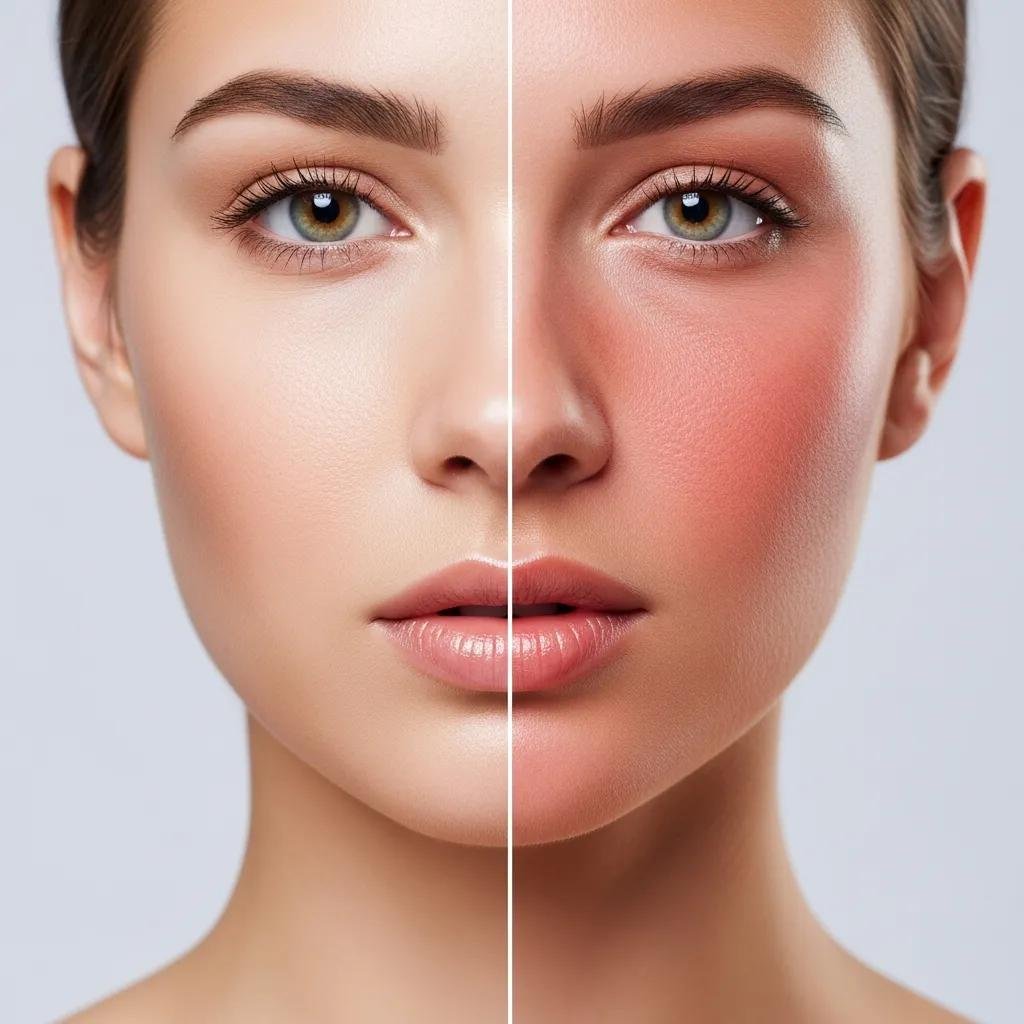
Cortisol is the primary stress hormone released via HPA axis activation and it modulates immune responses in the skin by altering cytokine balance and immune cell trafficking. Elevated cortisol increases sebum synthesis in sebaceous glands and downregulates collagen production in dermal fibroblasts, which accelerates fine lines and reduces skin elasticity. Cortisol → dysregulates → immune and repair processes, producing persistent low-grade inflammation that undermines barrier function and prolongs healing times. Clinically, managing cortisol through behavioral interventions can reduce inflammatory mediators and support better responses to topical and procedural therapies.
Understanding cortisol’s dual effects on sebum and collagen frames why combined approaches — calming the nervous system while supporting skin repair — produce superior outcomes compared with treatment alone.
Which Skin Conditions Are Exacerbated by Stress?
Several common dermatologic conditions show clear sensitivity to psychological stress because stress amplifies inflammation and disrupts immune tolerance. Acne flares often follow stress episodes due to increased sebum and inflammatory signaling, while atopic dermatitis and psoriasis experience immune-driven flare-ups when stress alters cytokine profiles. Rosacea and chronic redness can be intensified by stress-related vascular and inflammatory changes, and stress-related sleep disturbances further impair nighttime barrier repair and regenerative processes. Managing stress thus reduces the frequency and severity of these flares and complements direct dermatologic interventions.
These condition-specific links explain why a dual strategy—behavioral stress control plus targeted treatments—can shorten recovery times and lower recurrence rates.
What Are Effective Mindfulness Techniques to Promote Clear and Calm Skin?
Mindfulness practices reduce stress by lowering sympathetic arousal and cortisol spikes, which in turn diminishes inflammatory signaling that harms skin. Regular, brief exercises create physiological downshifts: mindful breathing reduces acute stress responses, body scans restore interoceptive balance, and short meditations improve sleep quality that supports nocturnal skin repair. Below is a practical set of techniques with the time commitment and core skin benefits to help you choose what fits your routine.
- Breathwork (3–10 minutes daily): Lowers acute cortisol spikes and soothes inflammation.
- Five-minute guided meditation (daily): Improves mood and sleep, supporting nightly skin regeneration.
- Body scan (10–15 minutes, 3×/week): Reduces muscle tension and chronic autonomic arousal that can worsen reactive skin.
These practices are simple to implement and act synergistically with mindful skincare rituals described next, creating a reliable platform for improved skin outcomes.
Intro to the mindfulness techniques table: The table summarizes common mindfulness practices, the typical time commitment, and their direct benefits for skin health to help you plan a realistic daily routine.
| Practice | Time Required | Skin Benefit |
|---|---|---|
| Mindful breathing | 3–10 minutes daily | Reduces acute cortisol spikes and inflammatory signaling |
| Short guided meditation | 5–10 minutes daily | Improves sleep and mood, supports epidermal repair |
| Body scan | 10–15 minutes, 3× weekly | Lowers chronic autonomic arousal and promotes barrier recovery |
| Mindful skincare ritual | 5–10 minutes per routine | Enhances adherence and reduces stress-related touching/irritation |
This comparison helps you select complementary practices that fit your schedule and skin goals.
How Can Meditation Reduce Skin-Related Stress Effects?
Meditation reduces skin-related stress effects primarily by decreasing HPA axis activation and lowering baseline cortisol over time, which diminishes pro-inflammatory signaling that drives many dermatoses. Regular meditation practice (even five minutes daily) has been associated in recent studies with measurable reductions in perceived stress and improvements in sleep quality—both essential for epidermal repair cycles. A simple practice: inhale slowly for four counts, hold two counts, exhale for six counts for five minutes daily; this pattern downregulates sympathetic tone and supports downstream skin recovery. Practicing meditation consistently enhances treatment compliance and reduces behaviors (like picking) that aggravate conditions.
Reduced cortisol and improved sleep after meditation therefore create a biological environment that favors healing and longer-lasting treatment results.
What Are Mindful Skincare Rituals to Enhance Skin Wellness?

Transforming routine skincare into a mindful ritual increases adherence, reduces stress-related manipulation of the skin, and magnifies the therapeutic benefits of topical ingredients. A five-step micro-routine might include sensory-focused cleansing, slow serum application with conscious breathing, and gentle lymphatic massage to promote circulation and relaxation. Performing each step with attention to texture, scent, and temperature converts a mechanical routine into a restorative practice that soothes the nervous system and supports barrier repair. Scheduling these rituals morning and evening anchors a consistent practice, which in turn lowers the frequency of stress-triggered flares.
These mindful rituals dovetail with formal mindfulness techniques and prepare the skin to respond better to clinical treatments by reducing baseline inflammation.
Intro to list of practical mindful-routine tips: The following list provides actionable tips to make any skincare routine more mindful and effective.
- Slow down each step: Pause between products to notice sensations and breathe deeply.
- Use intentional touch: Apply products with gentle, upward strokes to reduce irritation.
- Anchor with breath: Inhale before cleansing and exhale during application to calm the nervous system.
Adopting these small changes increases consistency and reduces stress-related habits that harm skin, creating a reliable foundation for clinical care when needed.
How Do Advanced MedSpa Treatments Complement Mindfulness for Radiant Skin?
Advanced MedSpa procedures accelerate visible improvements—such as resurfacing texture, stimulating collagen, and reducing pigment—while mindfulness lowers inflammation and improves healing capacity, producing more durable outcomes. When stress is controlled, the body’s reparative mechanisms function more efficiently, speeding recovery after procedures like microneedling or laser resurfacing. Below is a practical comparison that pairs common treatments with the complementary mindfulness mechanism that supports healing and outcome longevity.
| Treatment | Targets | Complementary Mindfulness Mechanism |
|---|---|---|
| Chemical peels | Breakouts, texture irregularity | Lowers cortisol-driven inflammation to reduce post-procedure irritation |
| Laser resurfacing | Collagen stimulation, pigmentation | Improves sleep and repair cycles to enhance collagen remodeling |
| Microneedling | Collagen induction, scarring | Reduces sympathetic arousal to accelerate recovery and reduce redness |
| LED light therapy | Inflammation reduction, healing | Supports cellular recovery through improved autonomic balance |
Which Shore MedSpa Treatments Support Stress-Related Skin Concerns?
Shore MedSpa & Bio Aesthetics offers advanced dermatologic and medical aesthetic services that address stress-exacerbated concerns such as acne, texture irregularities, and early aging. Treatments like chemical peels target breakouts and texture by removing damaged surface layers, while microneedling and laser resurfacing stimulate collagen for firmness and smoother skin. LED light therapy and targeted aftercare reduce inflammation and support faster healing when paired with stress-reduction practices. Under the leadership of Dr. Ronald Shore in Rockville, MD, these options are delivered with an emphasis on natural-looking, personalized results that integrate well with mindfulness-based skin care.
Pairing these procedures with mindful routines improves tolerance and boosts long-term satisfaction by addressing both physical skin deficits and the underlying stress drivers.
How Does Combining Mindfulness with Treatments Improve Skin Outcomes?
Combining mindfulness with MedSpa treatments creates synergistic benefits: lowered cortisol shortens inflammatory phases, improved sleep enhances collagen remodeling, and mindful aftercare increases adherence to recommended regimens. A recommended sequence is to establish a daily mindfulness baseline before undergoing procedures and to continue stress-reduction practices during recovery to minimize flares and optimize remodeling. Practical outcomes include reduced downtime, fewer post-procedure complications, and longer intervals between maintenance treatments. These combined approaches demonstrate that treating skin health holistically—addressing both mind and tissue—yields deeper and more sustainable improvements.
Adopting mindfulness alongside targeted clinical care therefore becomes a high-impact strategy for anyone seeking radiant, resilient skin without relying solely on procedural fixes.