Autumn Skincare: Essential Fall Skincare Routine and Seasonal Tips for Hydrated, Healthy Skin
Autumn skincare requires a deliberate shift to protect your skin from cooler temperatures and falling humidity while repairing summer damage, helping you maintain hydration and reduce irritation as the seasons change. This guide explains seasonal skin changes and gives practical fall skin care tips, from cleanser swaps and layering humectants to gentle exfoliation and targeted professional options. You will learn what causes increased dryness and sensitivity in autumn, which ingredients to prioritize—like hyaluronic acid and ceramides—and how to sequence products for AM and PM routines. The article also outlines when at-home care may not be enough and which clinical treatments are commonly recommended for post-summer pigment, texture, and collagen support. Read on for concrete steps (cleanse → serums → moisturize → SPF), ingredient comparisons, lifestyle adjustments, and brief, clinic-based options from Shore MedSpa & Bio Aesthetics in Rockville, MD to consider if persistent issues require escalation.
Autumn Skincare Routine: Top Tips for Hydrated, Healthy Skin
Autumn brings lower humidity and cooler air that increase transepidermal water loss (TEWL), compromising the skin barrier and producing dryness, tightness, and flaking. These seasonal skin changes often coincide with reduced sebum production and transitions from heavy summer sun exposure, which can leave behind hyperpigmentation and uneven texture. Increased barrier stress also raises skin sensitivity and redness, making previously tolerated actives feel irritating and pushing routines toward gentler, more reparative choices. Understanding these drivers frames practical fall skin care tips such as swapping to non-stripping cleansers, layering humectants with occlusives, and moderating exfoliation to rebuild the barrier before reintroducing stronger actives.
Autumn-related skin challenges include:
- Lower ambient humidity and cooler air increasing water loss and dryness.
- Barrier compromise after sun exposure leading to sensitivity and redness.
- Persistent post-summer pigment and texture issues that require targeted renewal.
These challenges mean your routine must emphasize hydration, barrier repair, and cautious renewal to prevent irritation while addressing summer damage.
How Does Dry Air and Lower Humidity Impact Fall Skin Hydration?
Dry air and reduced humidity increase transepidermal water loss, which removes moisture from the stratum corneum and weakens lipid layers that normally lock in hydration. Signs to watch for include tightness after cleansing, visible flaking, increased fine lines from dehydration, and patchy roughness where lipids have been lost. Immediate mitigation combines humectants to draw water into the skin and occlusives to seal that water in; for example, a hyaluronic acid serum followed by a richer emollient cream at night restores hydration and reduces evaporation. Monitor progress by tracking skin elasticity and reduced flaking; if dryness persists despite consistent layering, consider professional evaluation for tailored barrier-repair strategies.
Why Does Skin Become More Sensitive and Prone to Redness in Autumn?
Skin sensitivity in autumn often results from a compromised barrier that allows irritants to penetrate and trigger inflammation, producing redness and stinging. Temperature swings, over-exfoliation, and rapid changes in product routine can all worsen this response, so prioritize soothing, barrier-supporting ingredients such as ceramides, niacinamide, and colloidal oatmeal. Avoid combining multiple strong actives at once—especially retinoids and potent acids—until the skin stabilizes, and use gentle cleansing to preserve natural oils. If you observe persistent burning, spreading redness, or eczema-like patches, consult a skincare professional to rule out inflammatory or allergic conditions and to tailor a safer, reparative plan.
How Should You Adjust Your Fall Skincare Routine for Optimal Hydration and Protection?
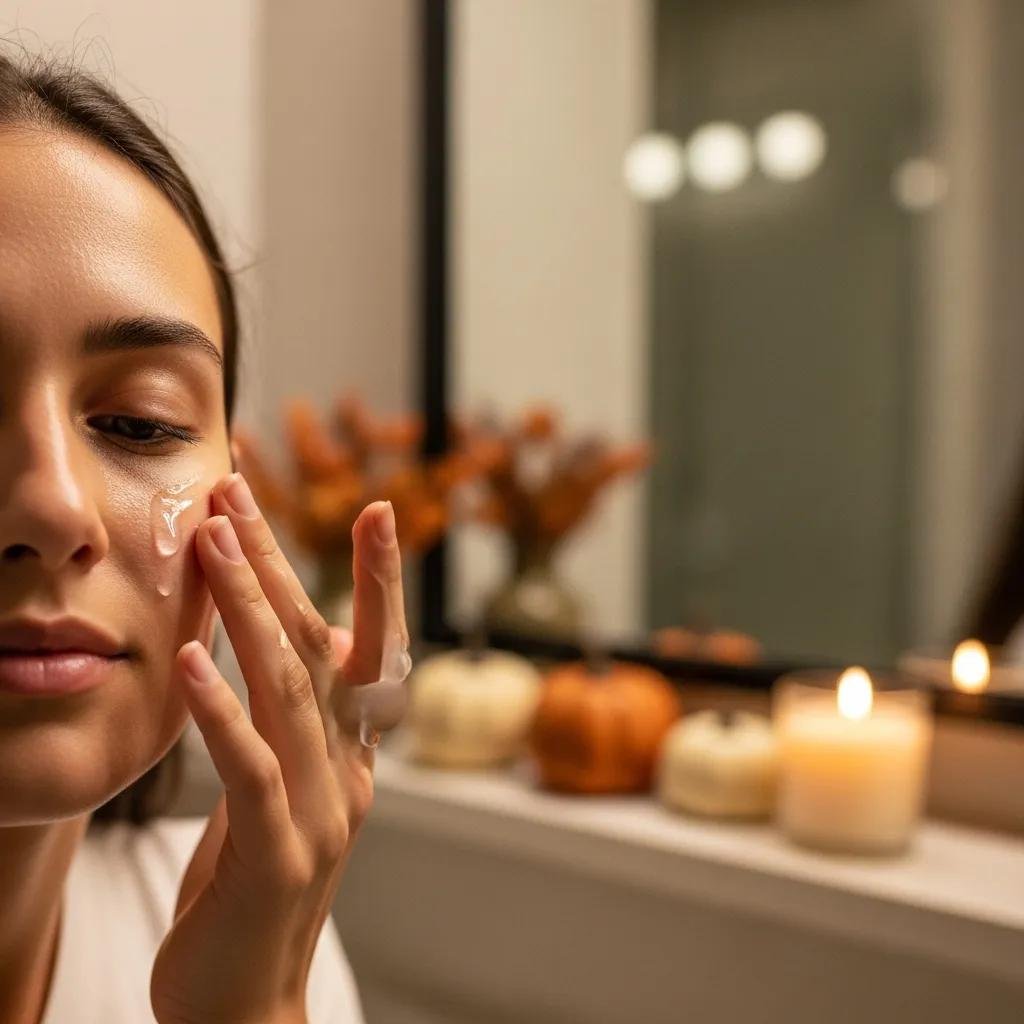
Adjusting your fall skincare routine means choosing gentler cleansing, strategic layering of humectants and occlusives, moderating exfoliation, and maintaining year-round broad-spectrum SPF use. Start with a non-stripping cleanser, follow with a humectant serum like hyaluronic acid, then add barrier-repair layers such as ceramide-rich creams and occlusive balms in the PM to lock moisture in. Antioxidants such as vitamin C remain useful in the AM under sunscreen to mitigate lingering photo-damage from summer and support evening repair. If persistent dryness, discoloration, or sensitivity won’t resolve, consider in-office escalation; Shore MedSpa & Bio Aesthetics in Rockville, MD offers professional options—such as chemical peels, laser resurfacing, and microneedling—that complement at-home barrier repair when deeper correction is needed.
Below is a practical comparison of common hydrating ingredients and when to use them during fall:
Hydrating ingredients compared for fall use.
| Ingredient | Role in Routine | Practical Use/Timing |
|---|---|---|
| Hyaluronic Acid | Humectant that draws moisture into the skin | Apply to damp skin AM/PM before creams to boost hydration retention |
| Ceramides | Barrier lipids that repair and restore stratum corneum | Use in moisturizer both AM and PM to rebuild lipid matrix |
| Glycerin | Humectant with skin-softening properties | Layer under occlusives; effective in formulations at various concentrations |
| Occlusives (e.g., petrolatum alternatives) | Seal hydration and reduce TEWL | Apply as the final PM step or on very dry areas day/night |
This table clarifies how humectants and occlusives work together to maintain hydration in low-humidity conditions and why sequence matters for effective fall skin care.
Practical AM → PM sequence for autumn:
- AM: Gentle cleanser followed by antioxidant serum, lightweight hyaluronic acid, ceramide moisturizer, and broad-spectrum SPF.
- PM: Mild cleanser then hyaluronic acid serum, targeted treatment (if tolerated), richer ceramide cream, and occlusive on very dry patches.
- Weekly: Gentle exfoliation (low-concentration AHA) only if barrier is intact, followed by barrier-repair moisturizer.
These stepwise fall skin care tips ensure hydration and protection while minimizing irritation and supporting gradual renewal.
Which Hydrating Products and Ingredients Are Best for Dry Skin in Autumn?
Hyaluronic acid, ceramides, glycerin, and fatty acids form a complementary toolkit for combating fall dry skin: hyaluronic acid acts as a humectant to attract water, ceramides rebuild the lipid barrier, glycerin enhances water retention, and fatty acids/emollients smooth and replenish lipids. Pairing a hyaluronic acid serum with a ceramide-rich cream and finishing with an occlusive at night creates a layered approach that both increases hydration and prevents evaporation. Use hyaluronic acid on slightly damp skin to maximize uptake, and reserve heavier creams for evening or particularly windy days; niacinamide can be added to reduce redness and support barrier function. If dryness persists despite correct layering, an in-clinic consultation can evaluate for underlying conditions or recommend adjunctive professional therapies.
What Are Gentle Exfoliation Techniques and Their Benefits for Autumn Skin Renewal?
Gentle chemical exfoliation with low-strength AHAs—lactic acid preferred for its humectant properties—promotes surface renewal and helps fade post-summer pigmentation without excessively stripping lipids. Limit exfoliation frequency to once weekly for sensitive or barrier-compromised skin and up to twice weekly for more resilient skin, always following with barrier-supportive moisturization and sun protection. Avoid harsh physical scrubs that can create microtears and exacerbate sensitivity; instead, use enzyme or mild AHA formulations designed for dry or reactive skin. After exfoliation, prioritize calming serums and occlusive moisturizers to support repair, and pause active retinoids until the skin has recovered to prevent compounding irritation.
Recommended gentle exfoliation practices include:
- Use lactic acid at low concentrations for both hydration and mild resurfacing.
- Limit exfoliation frequency and avoid combining with strong retinoids.
- Always follow exfoliation with barrier-repair creams and sun protection.
These steps allow autumn skin to renew texture and tone while minimizing the risk of inflammation.
What Professional Treatments Does Shore MedSpa Recommend for Autumn Skin Recovery?

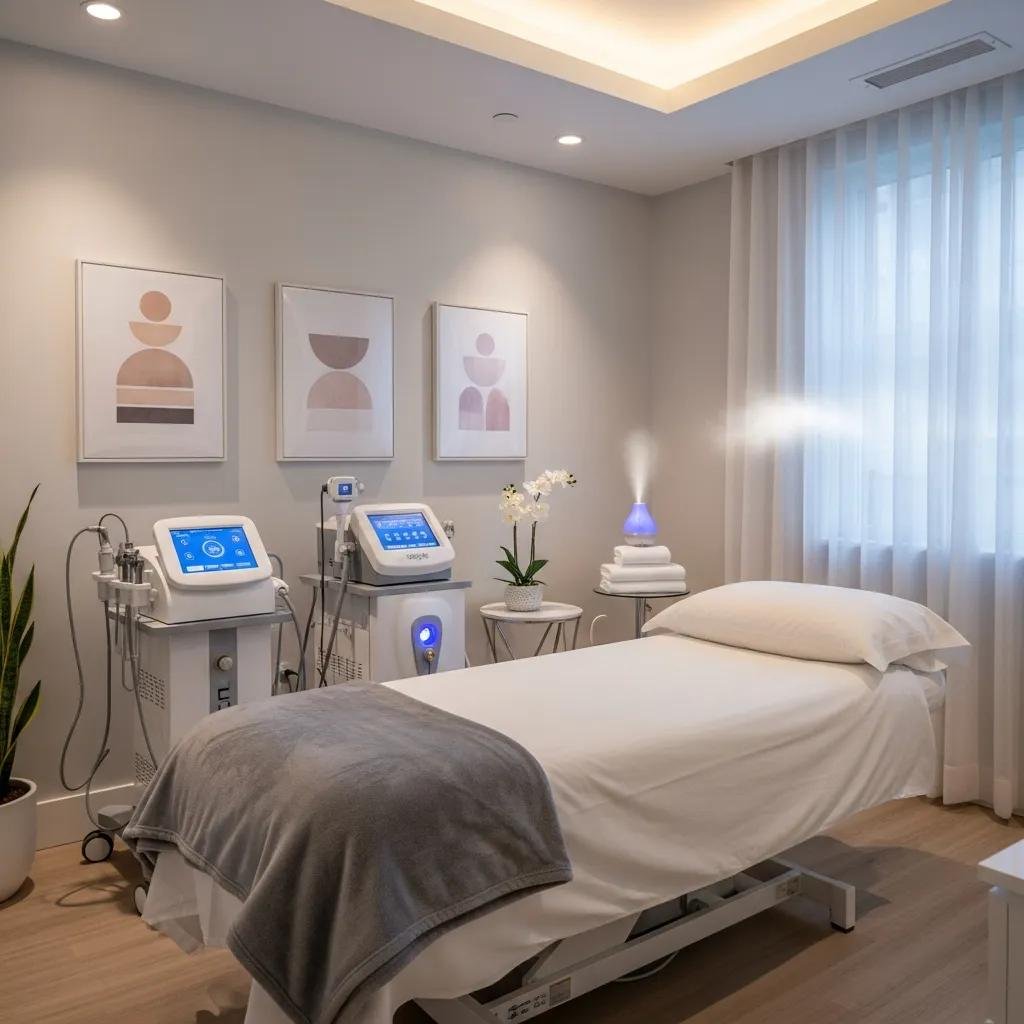
When at-home measures plateau or when visible post-summer pigment and texture issues persist, professional treatments can accelerate renewal and stimulate collagen. Shore MedSpa & Bio Aesthetics commonly recommends targeted in-office options in autumn—after the worst of the sun season—to address sunspots, uneven tone, and diminished texture. Treatments such as chemical peels, Er:YAG laser resurfacing, and RF microneedling each serve distinct clinical roles: chemical peels for superficial pigment and tone, Er:YAG for more precise resurfacing of texture and sun-damage spots, and RF microneedling for collagen induction and tightening. Scheduling these procedures in autumn allows time for healing while minimizing UV exposure during recovery.
Below is a concise comparison of typical fall treatment options to help decide which may fit your goals:
Professional treatments compared for autumn skin recovery.
| Treatment | Indication | Benefit |
|---|---|---|
| VI Peel (chemical peel) | Superficial hyperpigmentation and uneven tone | Evens tone and smooths texture with modest downtime |
| Er:YAG laser resurfacing | Deeper texture irregularities and sunspots | Precise resurfacing that improves pigmentation and fine lines |
| RF microneedling | Collagen stimulation for laxity and texture | Induces collagen remodeling with minimal epidermal removal |
This table outlines which treatment targets specific post-summer concerns and the clinical benefit each delivers during a fall treatment plan.
How Do Chemical Peels Like VI Peels Address Summer Sun Damage and Improve Skin Texture?
Chemical peels work by controlled exfoliation of the epidermis and superficial dermis, prompting skin renewal and revealing smoother, more evenly pigmented skin underneath. The VI Peel family is formulated to target post-summer hyperpigmentation and textural irregularities; it reduces melanin clustering and accelerates epidermal turnover to improve tone and clarity over the ensuing weeks. Typical downtime is modest—peeling and redness for several days—so autumn timing is ideal for recovery before winter social events. Pre- and post-peel barrier support is critical: stabilize the skin with ceramide-rich moisturizers beforehand and apply gentle, reparative care afterward to optimize outcomes and reduce sensitivity.
What Are the Benefits of Er:YAG Laser Resurfacing and RF Microneedling for Fall Skin Rejuvenation?
Er:YAG laser resurfacing offers precise ablation for visible sun-damage spots and deeper texture irregularities, producing rapid improvement in tone and surface smoothness through controlled tissue removal. Recovery varies by intensity but typically requires a brief healing window and strict sun avoidance during re-epithelialization, making autumn an appropriate season for treatment. RF microneedling, by contrast, uses micro-injury plus radiofrequency energy to stimulate dermal collagen without extensive epidermal removal, promoting gradual tightening and texture improvement with minimal downtime. Both treatments stimulate collagen remodeling over weeks to months, and choosing between them depends on the depth of correction needed and the patient’s downtime tolerance.
What Lifestyle Tips Support Healthy, Radiant Skin During the Fall Season?
Lifestyle adjustments amplify topical routines by reducing external stressors and supporting barrier repair from the inside out. Simple measures—like running a bedroom humidifier, favoring lukewarm showers, maintaining adequate hydration, and prioritizing sleep—help reduce TEWL and support lipid recovery. Dietary choices rich in omega fatty acids, antioxidants, and sufficient water intake aid the skin’s natural repair processes, while continued daily broad-spectrum SPF use prevents new photo-damage that can worsen lingering hyperpigmentation. Together, these habits create an environment where topical and professional interventions can work more effectively to restore a hydrated, healthy complexion.
Here are practical lifestyle actions to support fall skin health:
- Use a humidifier in sleeping areas to maintain ambient humidity and reduce TEWL.
- Prefer lukewarm, shorter showers and gentle, non-stripping cleansers.
- Maintain hydration and a balanced diet rich in antioxidants and essential fatty acids.
- Keep daily broad-spectrum sunscreen in your AM routine even on cool or cloudy days.
Implementing these habits consistently supports barrier integrity and enhances the results of both home and professional skincare.
How Can Humidifiers and Lukewarm Showers Help Maintain Skin Barrier Function?
Humidifiers increase indoor relative humidity, reducing the gradient that drives transepidermal water loss and making topical humectants more effective at keeping skin plump. Aim for comfortable bedroom humidity—generally around 40–50%—to counter dry indoor heating while avoiding excessive dampness. Lukewarm showers limit lipid stripping from hot water; keep showers brief and apply moisturizer within minutes of patting skin dry to lock in hydration. Pair these behavioral changes with regular use of ceramide-rich moisturizers and targeted serums to rebuild lipids and restore barrier function efficiently.
Why Is Year-Round Sun Protection Important Even in Cooler Autumn Months?
Ultraviolet radiation continues to drive photoaging and can worsen hyperpigmentation created during summer; therefore, daily broad-spectrum SPF remains essential throughout autumn. UVB and UVA penetrate through clouds and cooler air, and cumulative exposure contributes to fine lines, uneven tone, and reduced collagen integrity over time. Combine sunscreen with antioxidant serums—like vitamin C in the morning—to neutralize free radicals and complement SPF protection. Regular reapplication and appropriate application amounts ensure reliable defense, keeping post-summer pigment from darkening and supporting ongoing skin-renewal strategies.
For personalized assessment of persistent pigment, texture, or barrier issues after trying these fall skin care tips, Shore MedSpa & Bio Aesthetics in Rockville, MD can evaluate whether treatments such as VI Peels, Er:YAG laser resurfacing, or RF microneedling are appropriate adjuncts to your at-home routine.