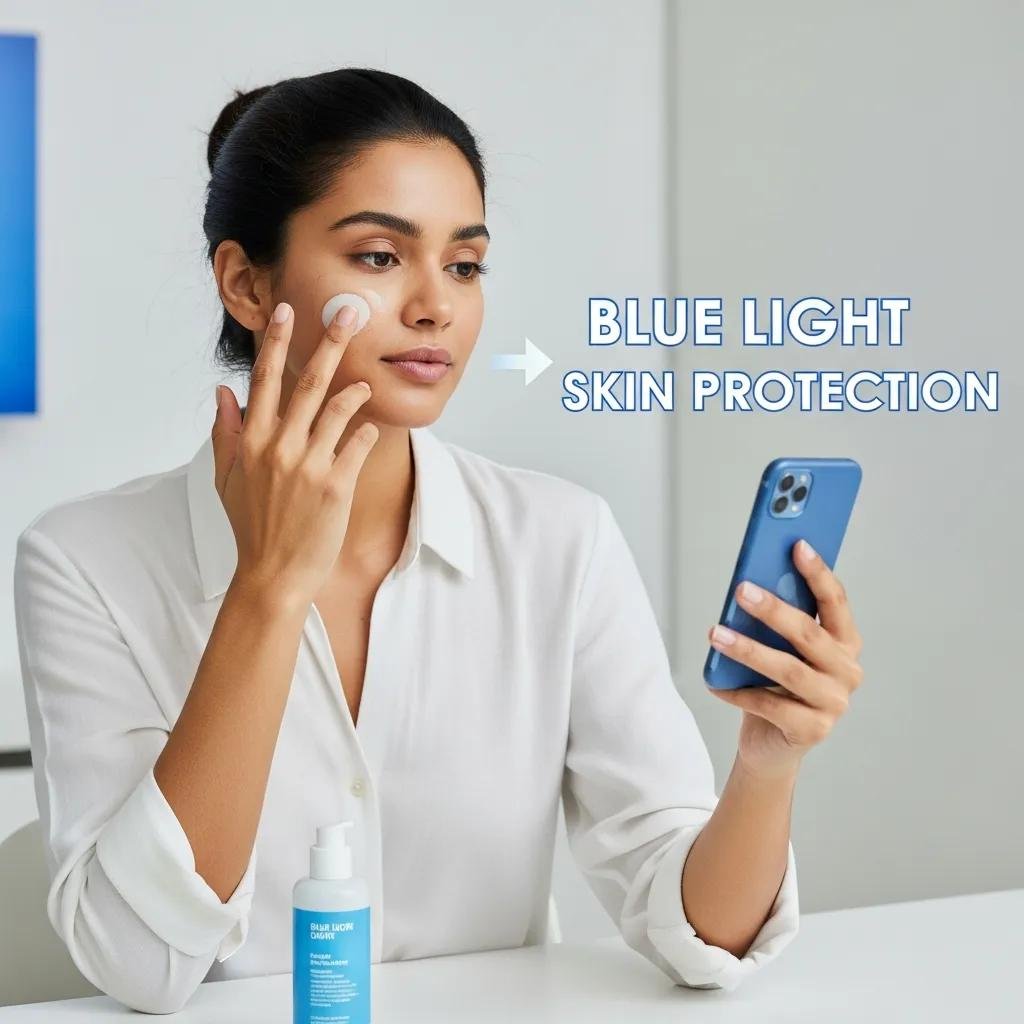
Blue Light Skin Protection: How to Prevent and Treat Digital Screen Skin Damage
Digital screen time has surged, and so has interest in how blue light — or high-energy visible (HEV) light — affects skin health. This article explains what blue light is, how it can generate oxidative stress and pigment changes, and why understanding these mechanisms matters for daily photoprotection and long-term skin aging prevention. You will learn practical prevention tactics (topical antioxidants, indoor SPF with iron oxides, and smart screen habits), clinical repair options for existing damage, and when to seek specialist evaluation. The guide maps clear, evidence-aligned steps: defining HEV exposure, listing prevention strategies and key antioxidant ingredients, comparing clinical treatments for pigment and collagen repair, and outlining the value of expert dermatology care. Throughout, expect concrete lists, clinical comparison tables, and actionable guidance to reduce “digital aging” while preserving skin barrier and tone.
What Is Blue Light and How Does It Affect Your Skin?
Blue light (HEV light, ~400–490 nm) is part of the visible spectrum that can penetrate the skin and contribute to cellular stress by producing reactive oxygen species. This oxidative activity accelerates degradation of collagen and elastin and can stimulate melanocytes, increasing the risk of hyperpigmentation and inflammatory responses. Compared to UVA/UVB, sunlight remains the dominant HEV source, but cumulative indoor exposure from screens and LED lighting adds to daily dose and may worsen preexisting pigment or barrier impairment. Understanding these mechanisms clarifies why both antioxidant defense and barrier protection are essential, and it leads directly into practical prevention steps you can adopt now.
What Is High-Energy Visible Light and Its Sources?
High-energy visible (HEV) light occupies the blue-to-violet portion of the visible spectrum and overlaps roughly between 400 and 490 nanometers. Common sources include sunlight, LED and fluorescent lighting, televisions, laptops, tablets, and smartphones; intensity is greatest outdoors but screen proximity increases localized facial exposure. Unlike UVB, HEV does not cause sunburn but can penetrate into the superficial dermis where it promotes oxidative reactions that affect structural proteins. Recognizing these sources helps prioritize both environmental controls and topical defenses to reduce cumulative digital skin exposure.
How Does Blue Light Cause Oxidative Stress and Skin Damage?
Blue light induces reactive oxygen species (ROS) in epidermal and dermal cells, which damages cellular proteins, lipids, and DNA and impairs collagen and elastin integrity. Studies show that ROS-driven signaling can increase melanogenesis and produce patchy hyperpigmentation, particularly in skin of color, while repeated oxidative insults weaken the skin barrier. This cascade—HEV exposure → ROS generation → collagen breakdown and melanocyte stimulation—explains why both pigment-targeted and collagen-restorative strategies matter when addressing digital aging. Preventing ROS formation and supporting repair pathways therefore reduces visible and structural consequences over time.
How Can You Prevent Blue Light Skin Damage Effectively?
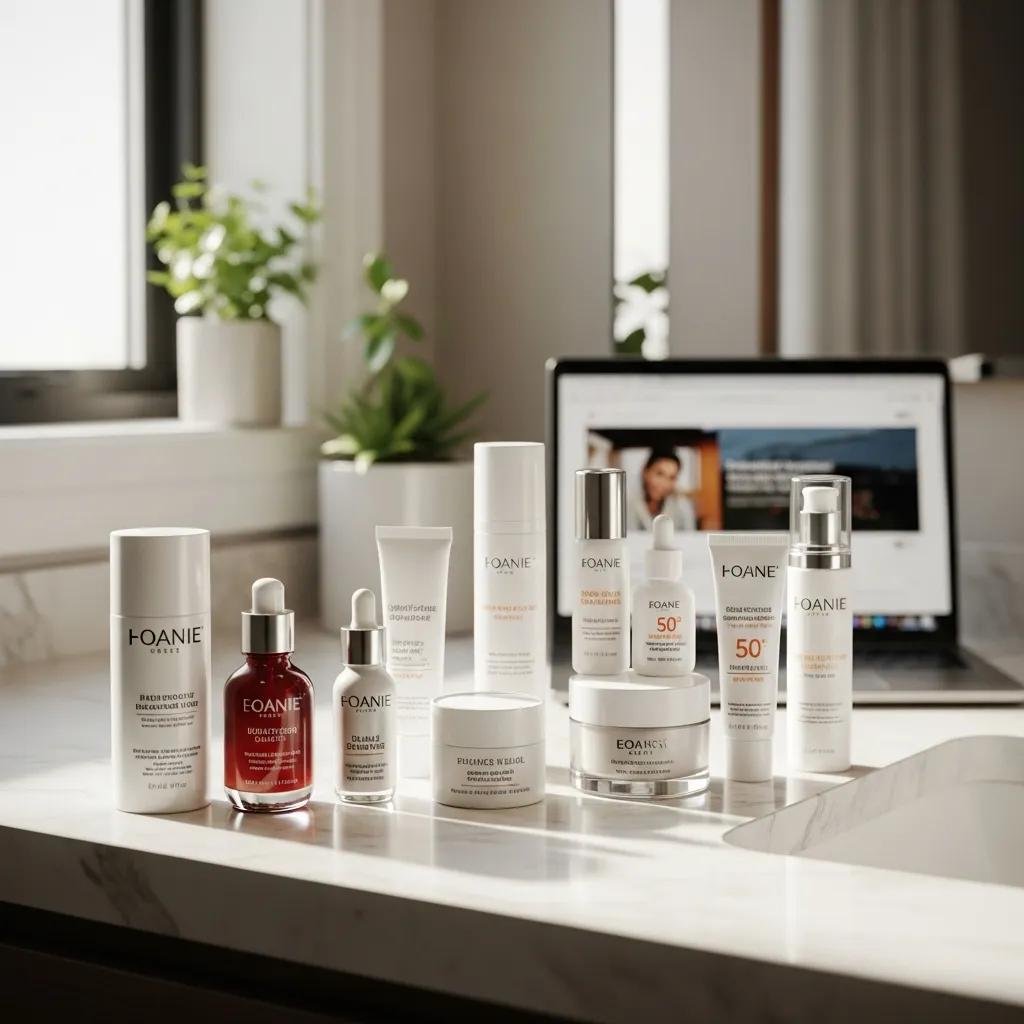
Preventing blue light skin damage combines topical antioxidant defenses, effective indoor photoprotection, and simple screen-habit changes to lower cumulative exposure. Start with antioxidant serums and barrier-supporting actives, apply a daily broad-spectrum sunscreen formulated to filter visible light (iron oxides), and adopt ergonomic screen adjustments such as reduced brightness and regular breaks. The following table compares common topical defenses and sunscreen options to clarify mechanisms and benefits before we dive into ingredient choices.
Antioxidants and photoprotection options compared:
| Defense Type | Mechanism | Benefit |
|---|---|---|
| Topical antioxidants (Vitamin C, Vitamin E, Ferulic) | Neutralize ROS, reduce oxidation | Lowers oxidative damage and brightens skin |
| Barrier support (Niacinamide, ceramides) | Strengthens stratum corneum, reduces permeability | Improves resilience against environmental stressors |
| Mineral/Broad-spectrum sunscreens with iron oxides | Reflect/absorb UVA/UVB and visible light | Reduces visible-light-induced pigmentation risk |
This comparison shows a layered approach: antioxidants reduce ROS, barrier actives limit insult penetration, and sunscreens block optical energy; together they form a practical prevention routine.
Which Antioxidant Skincare Ingredients Protect Against Blue Light?
Topical antioxidants counter blue-light–induced ROS and support recovery when used consistently in the morning and evening. Vitamin C neutralizes free radicals and delivers brightening benefits through inhibition of excess melanin synthesis, while Vitamin E and ferulic acid stabilize antioxidant systems and extend protection. Niacinamide complements antioxidants by enhancing barrier function and reducing pigment transfer, and combination serums (C + E + ferulic) provide synergistic stabilization for daily defense. Use serums under sunscreen in the morning and as part of restorative night routines to maintain continuous protection and improve skin tone over weeks.
What Lifestyle Changes Reduce Digital Aging Skin Risks?
Behavioral changes reduce daily HEV dose and support skin resilience when paired with topical routines. Implement the 20-20-20 rule, use screen filters or night modes to lower blue emission, and reduce screen brightness and device proximity when possible. Maintain an antioxidant-rich diet, prioritize restorative sleep, and avoid smoking to support endogenous repair systems that mitigate oxidative damage. These adjustments complement topical and clinical defenses and set the stage for improved outcomes if in-office treatment becomes necessary.
What Treatments Reverse Blue Light-Induced Skin Damage?
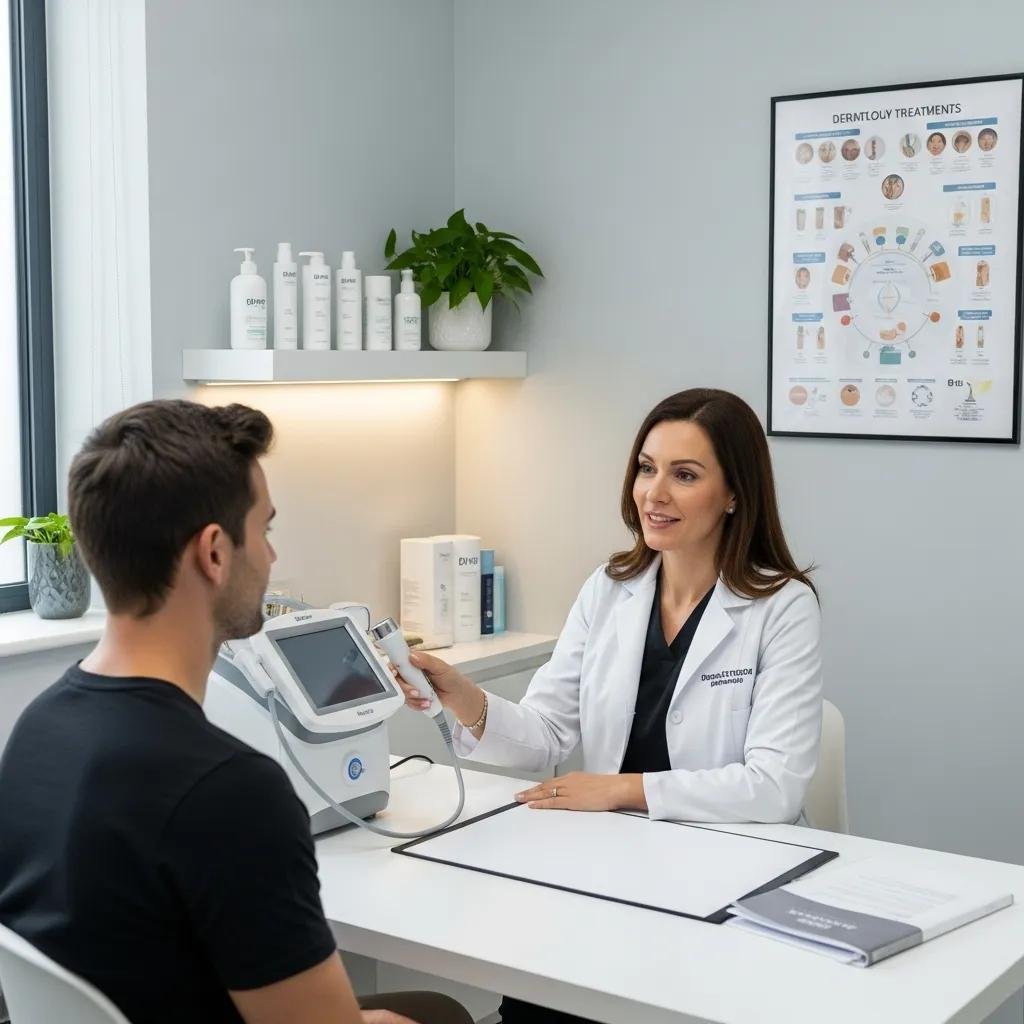
When visible signs like hyperpigmentation, loss of texture, or fine lines are present, clinical options can reverse or significantly improve damage by removing pigmented layers, stimulating collagen, and reducing inflammation. Chemical peels accelerate epidermal turnover for pigment correction, Er:YAG laser resurfacing treats deeper textural and tonal irregularities through controlled ablation, RF microneedling induces neocollagenesis for structural repair, and LED therapy supports cellular repair and reduces inflammation post-procedure. Selecting modalities depends on skin type, pigment risk, and desired downtime, which is why clinical assessment is critical before treatment selection.
Clinical treatments mapped to targets:
| Treatment | Primary target | Expected outcome / typical sessions |
|---|---|---|
| Chemical peels | Superficial pigment, texture | Improved tone over 3–6 sessions; minimal downtime |
| Er:YAG laser resurfacing | Deeper texture and pigment | Noticeable resurfacing and tone improvement; staged sessions |
| RF microneedling | Collagen induction, texture | Progressive tightening and scar/line improvement across sessions |
| LED Skin Therapy (red light) | Cellular repair, inflammation | Supports healing and enhances collagen remodeling with low risk |
This mapping clarifies how each option addresses pigment versus structural concerns and why combination sequencing often provides superior, durable results.
How Do Chemical Peels and Laser Resurfacing Address Hyperpigmentation?
Chemical peels exfoliate the stratum corneum and accelerate epidermal turnover, which reduces superficial pigment and evens tone; they are selected based on depth to match pigment severity. Er:YAG laser resurfacing creates controlled thermal injury to remove dyschromic layers and stimulate regenerative remodeling within the dermis, improving both pigment and texture. Both approaches require careful patient selection and pre/post-procedure photoprotection to minimize post-inflammatory hyperpigmentation, highlighting the importance of combining these procedures with topical antioxidant and sunscreen strategies to maintain results.
How Does RF Microneedling and LED Therapy Restore Collagen and Skin Health?
RF microneedling creates microchannels and delivers radiofrequency energy to stimulate neocollagenesis and elastin remodeling, improving fine lines, pore size, and overall texture with cumulative sessions. Red LED therapy enhances mitochondrial function, reduces inflammation, and accelerates repair, making it an ideal adjunct to speed recovery and support collagen synthesis. Together, these modalities complement topical regimens by improving structural integrity and stabilizing pigment, and they are often sequenced after pigment-targeting procedures for balanced rejuvenation.
Why Choose Expert Dermatology for Blue Light Skin Protection?
A specialist assessment distinguishes blue-light effects from other pigment or aging causes and creates a staged plan that balances prevention and repair while minimizing risks like post-inflammatory hyperpigmentation. Board-certified dermatology oversight ensures appropriate device selection, protocol customization for skin type, and integration of topical regimens with in-office procedures. Access to advanced technology and clinical judgment improves the safety and durability of outcomes compared with over-the-counter attempts, making expert evaluation a prudent step when visible damage appears.
What Are the Benefits of Personalized Consultations with Dr. Ronald Shore?
Consultations with Dr. Ronald Shore provide individualized evaluation of skin type, pigment patterns, and cumulative exposure to prioritize treatments and protective measures. A personalized plan sequences topical antioxidant therapy, visible-light–filtering sunscreen, and staged in-office procedures to reduce risk and optimize results. Clinical monitoring enables adjustments across sessions and ensures safe management of pigment-prone skin, which leads naturally into how a medspa integrates these elements into cohesive care.
How Does Shore MedSpa Integrate Advanced Treatments for Digital Aging?
At Shore MedSpa & Bio Aesthetics in Rockville, MD, clinicians combine prevention and repair by starting with topical defenses and moving to targeted in-office options such as chemical peels, Er:YAG laser resurfacing, RF microneedling, and LED Skin Therapy when indicated. Personalized treatment plans created by a board-certified dermatologist align device selection with skin type and goals, and combination sequencing is used to treat pigment and rebuild collagen while minimizing complications. If you’re concerned about digital aging, a consultation with Dr. Ronald Shore can assess whether a staged program of prevention plus clinical repair is appropriate for your skin.
- Assess your exposure and skin type: Schedule an expert evaluation to prioritize interventions.
- Adopt daily antioxidant + iron oxide SPF: Start topical defenses immediately to reduce further risk.
- Consider staged in-office repair: For established pigment or texture changes, clinical treatments can restore tone and structure.
These steps synthesize prevention and repair into a practical path forward for healthier skin after digital exposure.