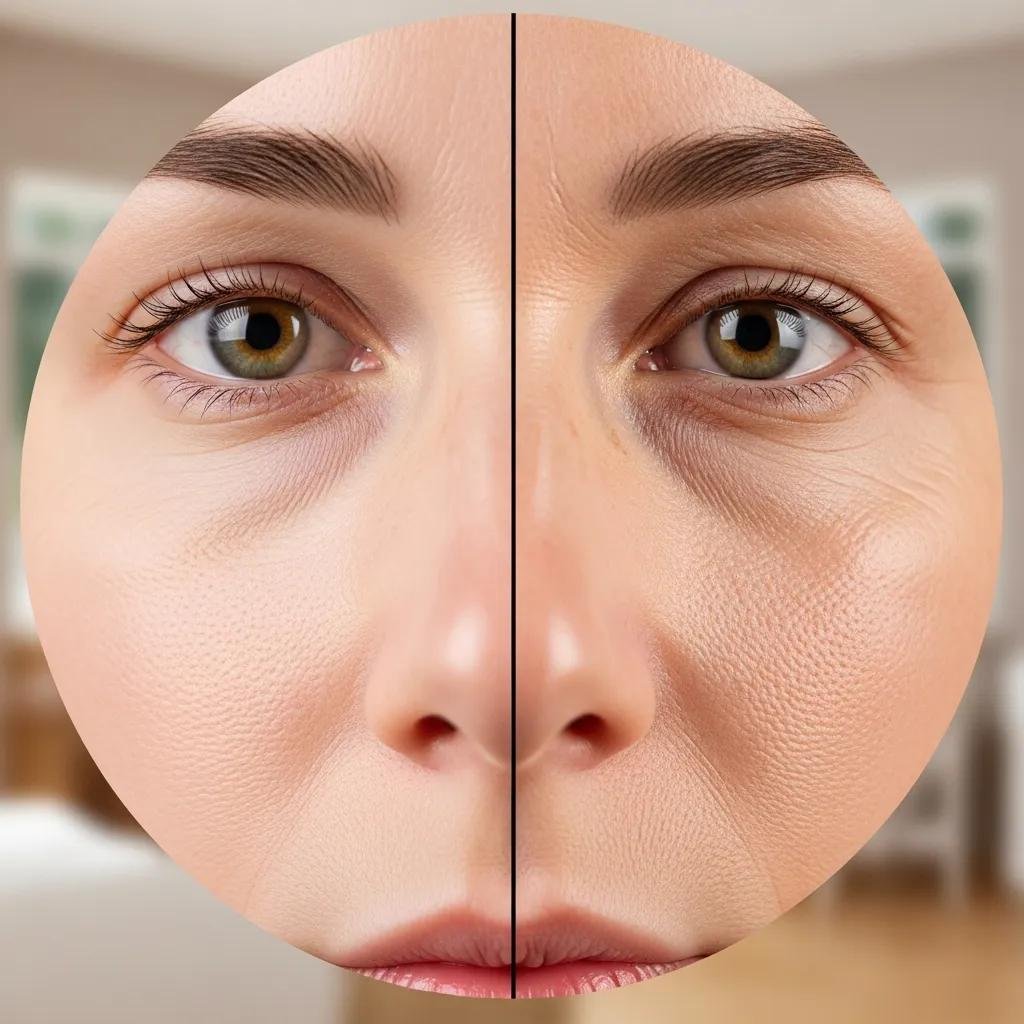
Sugar’s Impact on Skin: Understanding Glycation and Preventing Premature Aging
Excess dietary sugar does more than affect metabolic health — it chemically alters skin structure through glycation, accelerating visible aging. In this article you will learn what glycation is, how advanced glycation end products (AGEs) form, the clinical signs to watch for, and practical diet and lifestyle steps to reduce sugar skin damage. Understanding glycation helps you prioritize anti-glycation foods, antioxidants, sun protection, and targeted clinical treatments that restore collagen and elasticity. We map the biology (how sugars bind to collagen and elastin), the cosmetic consequences (wrinkles, dullness, laxity), and the most effective ways to prevent or partially reverse damage through nutrition, habits, and in-office therapies. Sections include a clear definition and mechanism, visible signs of sugar-induced aging, an action-oriented diet and lifestyle guide with a quick comparison table of foods, and a summary of professional treatments available to address glycated skin. Throughout, keywords like glycation skin, AGEs skin, anti-glycation diet, and treatments for glycated skin are woven into practical recommendations grounded in current research and clinical experience.
What is Glycation and How Does It Affect Skin Aging?
Glycation is a non-enzymatic chemical reaction where sugars bind to proteins and lipids, forming early glycation products that mature into advanced glycation end products (AGEs). This process stiffens structural proteins in the dermis because sugar-derived cross-links reduce protein flexibility and interfere with normal turnover, impairing collagen and elastin function. The practical consequence is reduced tensile strength, less elastic recoil, and an increased visible rate of skin aging compared with similar-aged individuals who maintain lower glycemic exposure. Recent studies indicate AGEs also promote oxidative stress and low-grade inflammation in skin, which compounds structural damage and pigmentary changes over time.
How Does Sugar Cause Glycation in Skin Proteins?
Sugar molecules such as glucose and fructose react with amino groups on collagen and other skin proteins through Maillard-type reactions that do not require enzymes. These reactions begin with reversible Schiff base formation and progress to stable Amadori products, which eventually reorganize into AGEs that form irreversible cross-links between protein chains. Cross-linking reduces the ability of collagen fibrils to slide and remodel, which lowers tensile strength and contributes to visible stiffness and crepe-like texture. Understanding this pathway clarifies why both chronic high blood sugar and frequent high-glycemic meals accelerate collagen dysfunction.
What Are Advanced Glycation End Products and Their Effects on Collagen and Elastin?
AGEs are heterogeneous molecules that accumulate in long-lived structural proteins and amplify tissue damage by creating covalent cross-links and by activating AGE receptors that stimulate inflammation. In collagen, cross-linking increases brittleness and slows enzymatic turnover, while in elastin, glycation compromises elastic recoil leading to sagging. Molecular consequences include reduced collagen solubility, impaired fibroblast-mediated repair, and higher susceptibility to UV-driven oxidative damage; clinically these mechanisms translate into deepening lines and loss of resilience. Addressing AGEs requires both reducing their formation and stimulating healthy collagen remodeling.
What Are the Visible Signs of Sugar-Induced Skin Aging?
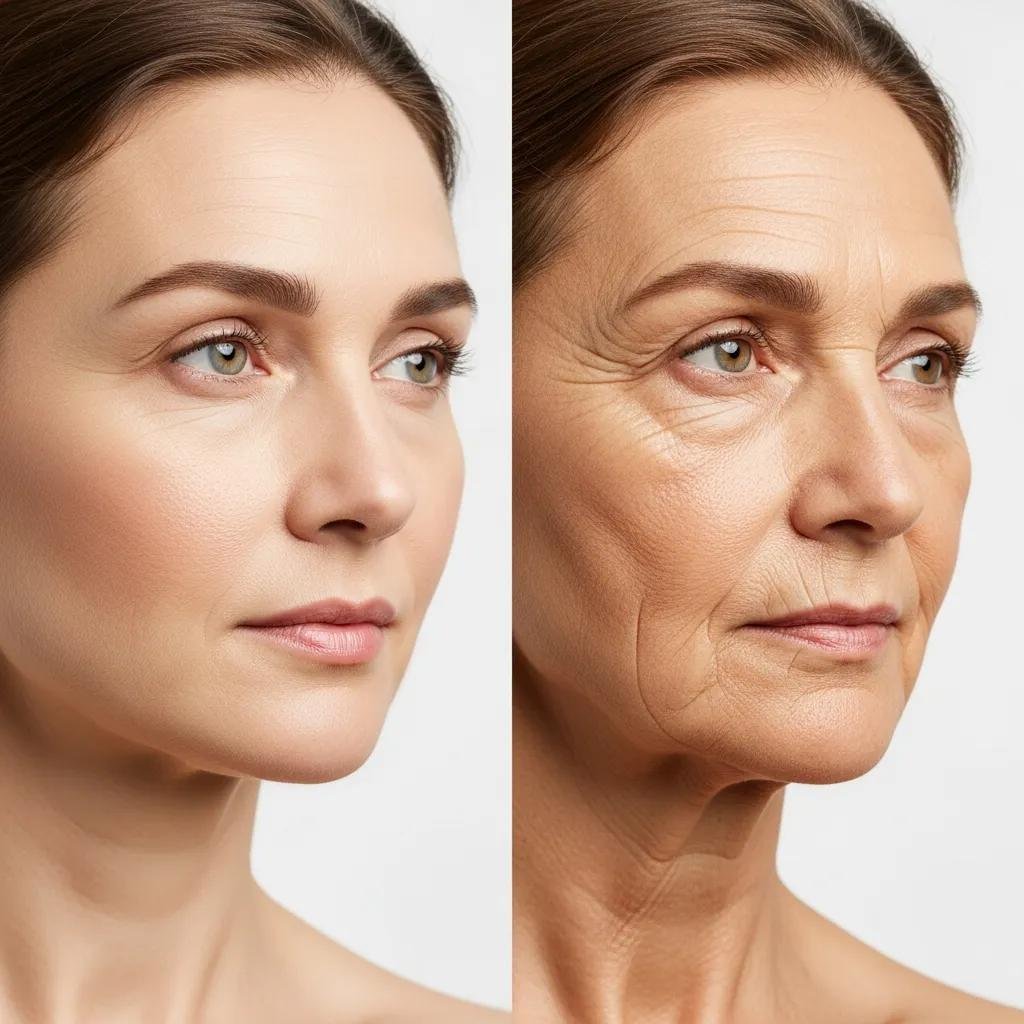
Glycation and AGE accumulation produce distinct, observable skin changes that differ from purely chronologic aging and are often more pronounced in people with high sugar intake. These visible signs include deeper wrinkles, decreased elasticity with early sagging, and a dull, rough surface texture that resists topical smoothing. Additional manifestations can include slower healing after injury and an increased tendency for uneven pigmentation where AGE-related inflammation alters melanocyte activity. Recognizing these signs early helps prioritize dietary changes and targeted interventions to slow progression and improve appearance.
How Do Glycation and AGEs Lead to Wrinkles and Loss of Skin Elasticity?
Collagen cross-links from AGEs reduce tensile strength and disrupt normal matrix remodeling, which causes micro-tears to accumulate and fine lines to deepen into permanent wrinkles. Simultaneously, glycation impairs elastin’s recoil, meaning facial movements produce longer-lasting folds and visible laxity. The combined effect is a faster progression of static lines (present at rest) and dynamic lines that become fixed. Clinically, this pattern explains why areas under frequent mechanical stress — forehead creases and nasolabial folds — can show pronounced glycation-related aging.
What Other Skin Changes Indicate Premature Aging from Sugar?
Beyond wrinkles and laxity, sugar-induced damage often presents as skin that looks tired or sallow due to a loss of radiance and slower cellular turnover. Diminished barrier repair increases dryness and roughness, and inflammation associated with AGEs can worsen post-inflammatory hyperpigmentation in susceptible individuals. Wound healing may be delayed and more prone to scarring where glycation reduces fibroblast efficiency. Early identification of these secondary signs supports a combined nutritional and clinical approach to restore texture and tone.
How Can Diet and Lifestyle Help Prevent or Reverse Glycation Skin Damage?
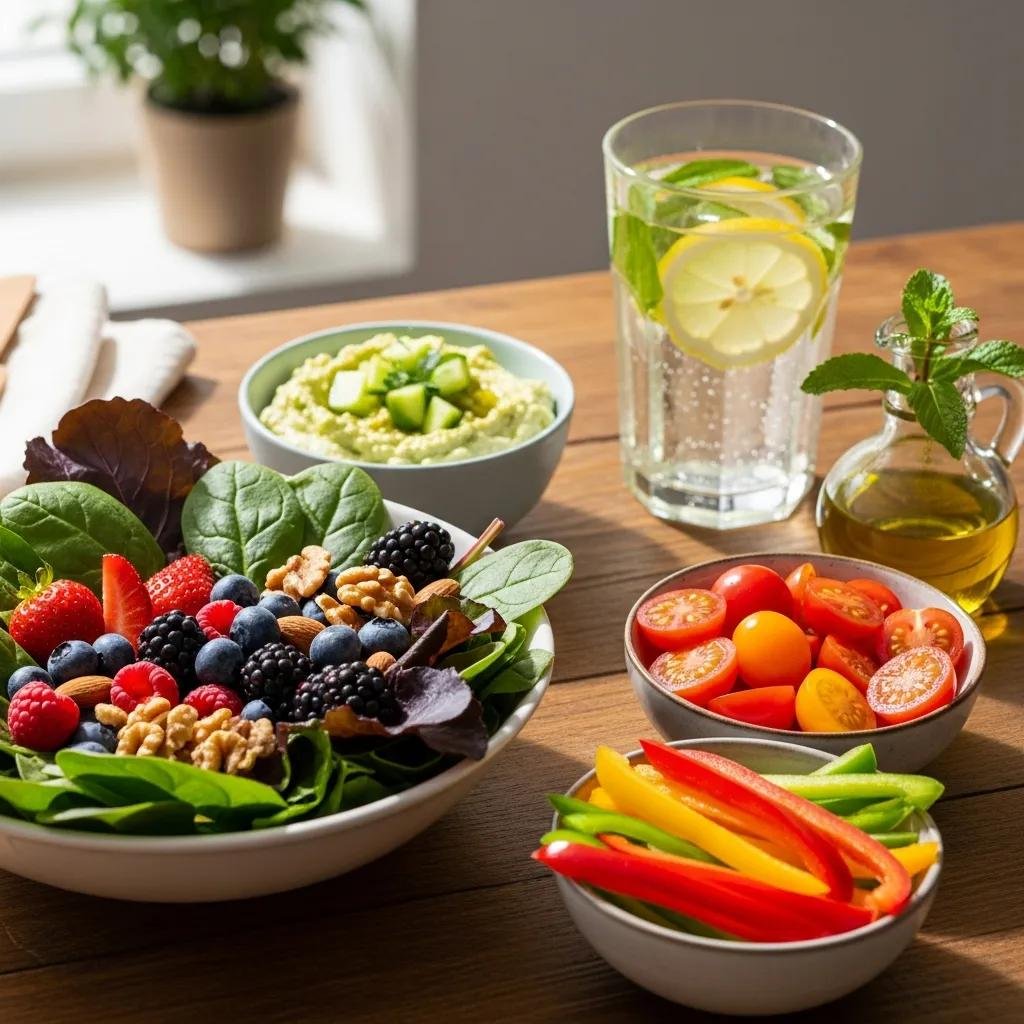
Diet and habits directly influence the rate of AGE formation; reducing high-glycemic carbohydrates and dietary sugars lowers substrate availability for glycation reactions and supports skin health. Current research shows antioxidants and anti-inflammatory nutrients can limit AGE-related oxidative damage and assist repair. Practical strategies include limiting refined sugars, prioritizing antioxidant-rich foods, consistent sun protection, avoiding smoking, and maintaining regular exercise and sleep patterns to reduce systemic inflammation and promote collagen remodeling. Shore MedSpa & Bio Aesthetics supports holistic care plans that pair these lifestyle measures with clinical treatments to optimize skin restoration.
Different foods vary in their glycation risk and nutritional benefit; the table below summarizes common groups and recommended swaps to minimize skin glycation.
| Food Group | Glycation Risk | Recommended Swap / Benefit |
|---|---|---|
| Refined sweets and sodas | High — rapid blood sugar spikes | Swap for whole fruit; provides fiber and antioxidants |
| White bread, pastries | High — high glycemic load | Swap for whole grains and legumes to lower post-meal glucose |
| Deep-fried and processed meats | Moderate — preformed dietary AGEs | Swap for steamed/grilled lean proteins and fatty fish rich in omega-3s |
| Antioxidant-rich vegetables | Low — anti-glycation benefit | Embrace leafy greens and brightly colored produce for vitamin C and E |
This comparison highlights that replacing high-glycemic and AGE-rich foods with fiber-rich, antioxidant-dense options reduces substrates for glycation while providing nutrients that support collagen synthesis.
Which dietary changes should you prioritize? Below are concise, research-forward steps.
- Reduce added sugars and sweetened beverages as primary targets to lower glycation substrate.
- Prioritize whole grains, legumes, and protein with low glycemic impact to blunt postprandial glucose spikes.
- Increase intake of antioxidant-rich foods such as citrus, berries, leafy greens, nuts, and oily fish to protect collagen integrity.
These dietary priorities lower the biochemical drivers of glycation while supplying cofactors for skin repair. The next section outlines complementary lifestyle habits that further reduce AGE accumulation and support skin recovery.
Which Foods Should You Avoid and Embrace for Anti-Aging Skin?
Avoiding foods that rapidly raise blood glucose and those high in preformed dietary AGEs is central to an anti-glycation diet. Limit refined sugars, sweetened drinks, and high-glycemic snacks; prefer low-glycemic carbohydrates and whole-food proteins. Embrace foods rich in vitamin C, vitamin E, niacinamide precursors, polyphenols, and omega-3 fatty acids to counter oxidative stress and support collagen synthesis. For targeted supplementation, consult a clinician to evaluate needs rather than self-prescribing high-dose antioxidants, as clinical oversight optimizes safety and effectiveness.
What Lifestyle Habits Reduce Glycation and Support Skin Health?
Lifestyle changes that lower systemic inflammation and oxidative stress also reduce AGE accumulation and improve skin repair capacity. Regular aerobic and resistance exercise improves insulin sensitivity and reduces circulating glycation substrates, while consistent sleep and stress management support hormonal balance and dermal repair. Sun protection is essential because UV exposure accelerates oxidative damage that worsens AGE effects, and smoking cessation is critical since tobacco compounds increase glycation and inflammation. These habits form the foundation for any nutrition or clinical program aimed at reversing visible sugar damage.
What Professional Treatments Does Shore MedSpa Offer to Combat Glycation Effects?
When diet and lifestyle are optimized but visible damage persists, medical-grade procedures can stimulate remodeling and restore texture, tone, and volume. Shore MedSpa & Bio Aesthetics offers advanced, personalized treatments overseen by a board-certified dermatologist to address the structural consequences of glycation. Treatments target collagen remodeling, skin resurfacing, tightening, and volume restoration, and are selected based on the patient’s pattern of wrinkles, laxity, and texture changes. Personalized combination plans enhance outcomes because stimulating new collagen while addressing dynamic lines and surface irregularity produces more natural, rejuvenating results.
Below is a concise list of core treatment categories and the typical indications they address in glycated skin.
- Er:YAG laser resurfacing for surface texture and fine lines.
- RF microneedling (Lutronic Genius® RF) to stimulate deep collagen remodeling and tightening.
- Chemical peels (VI Peel) to accelerate cell turnover and improve brightness and tone.
- Injectables such as Botox for dynamic lines and dermal fillers for volume loss and contour restoration.
These modalities are often combined in staged protocols to maximize collagen renewal and correct both surface and deeper structural damage. A focused plan under clinical oversight yields safer, more effective remodeling than isolated procedures.
| Treatment | Target (re: glycation damage) | Expected Visible Outcome |
|---|---|---|
| Er:YAG laser resurfacing | Surface irregularity and fine lines from epidermal and superficial dermal glycation | Smoother texture, reduced fine lines, improved tone |
| RF microneedling (Lutronic Genius® RF) | Dermal collagen loss and laxity due to cross-linking | Increased firmness, tighter contours, improved elasticity |
| VI Peel (chemical peel) | Dullness and uneven tone from slowed turnover | Brighter, more even complexion and accelerated renewal |
| Botox (neuromodulator) | Dynamic lines exacerbated by collagen weakness | Softer expression lines and prevention of deepening folds |
| Dermal fillers | Volume loss revealing static folds | Restored volume and improved surface smoothing |
This treatment mapping helps patients and clinicians connect the biochemical problem (glycation) with practical, outcome-driven interventions. Shore MedSpa emphasizes personalized plans and cutting-edge technology to produce natural, rejuvenating results under medical supervision.
How Does Laser Resurfacing Improve Skin Texture and Reduce Wrinkles?
Er:YAG laser resurfacing works by delivering controlled ablation and thermal stimulation to the epidermis and superficial dermis, which triggers a wound-healing cascade and new collagen synthesis. The controlled injury removes glycated, damaged surface proteins and encourages fibroblasts to lay down more organized collagen, improving texture and softening fine lines. Typical recovery varies with the intensity of treatment but generally includes a defined healing period followed by visible improvement over several weeks as remodeling occurs. For glycated skin, laser resurfacing complements systemic anti-glycation measures by promoting structural renewal.
What Are the Roles of Microneedling, Chemical Peels, and Injectables in Reversing Sugar Damage?
RF microneedling combines mechanical injury with radiofrequency energy to stimulate deep dermal remodeling, addressing laxity and collagen deficits caused by glycation, while chemical peels accelerate epidermal turnover to improve tone and reduce surface roughness. Botox reduces repetitive dynamic stresses that can become fixed lines when underlying collagen is compromised, and dermal fillers restore lost volume to smooth contours and support overlying skin. When used together in a staged, personalized protocol, these modalities synergize to replace damaged matrix components, improve elasticity, and produce a more youthful, natural appearance.