
How to Choose the Right Aesthetic Treatment for Your Goals: A Personalized Aesthetic Treatment Guide
Choosing the right aesthetic treatment starts with a clear definition of your goals and an understanding of how different non-surgical procedures produce specific results. This guide explains how to map common cosmetic objectives—like wrinkle reduction, texture improvement, volume restoration, body contouring, and scar or tattoo management—to treatments that match their mechanisms and expected outcomes. You will learn how neuromodulators, dermal fillers, resurfacing modalities, and body-contouring technologies differ in action, downtime, and longevity, and which patient factors most influence safe, effective selection. The article then categorizes treatment families, provides decision-checklist criteria, and shows how a personalized consultation by an experienced clinician improves results and minimizes risk. Throughout, practical lists, comparison tables, and EAV-style summaries help translate goals into realistic treatment plans, while brief examples from Shore MedSpa & Bio Aesthetics illustrate how clinic expertise and service options align with common objectives.
What Are Your Primary Aesthetic Goals?
Understanding your primary aesthetic goal clarifies which mechanisms and outcomes matter most when choosing a treatment. Goals commonly cluster around wrinkle reduction, skin texture and tone improvement, volume restoration, targeted fat reduction, and scar or tattoo revision; each goal favors distinct modalities because they target either muscle activity, lost volume, surface irregularities, or subcutaneous fat. Identifying whether you want immediate smoothing, gradual collagen stimulation, or long-term structural change is the first step in treatment selection. Below is a practical list to help you self-assess common priorities and match them to general approaches.
Common aesthetic goals and quick guidance:
- Reduce dynamic forehead or frown lines: Choose neuromodulators to relax overactive muscles for quick smoothing.
- Restore facial volume or define lips: Consider dermal fillers for immediate contour and long-lasting support.
- Improve texture, pores, or pigmentation: Opt for resurfacing (peels, lasers, RF microneedling) for collagen remodeling.
- Reduce localized fat on body: Select non-surgical body contouring technologies for targeted adipose reduction.
These goal categories point to treatment families rather than single procedures, which helps frame the next step: comparing the main categories, mechanisms, and typical trade-offs between downtime and durability. As examples of real-world matches, Shore MedSpa & Bio Aesthetics routinely pairs injectables with resurfacing for balanced, natural enhancement.
How Do Anti-Aging Treatments Address Wrinkles and Fine Lines?
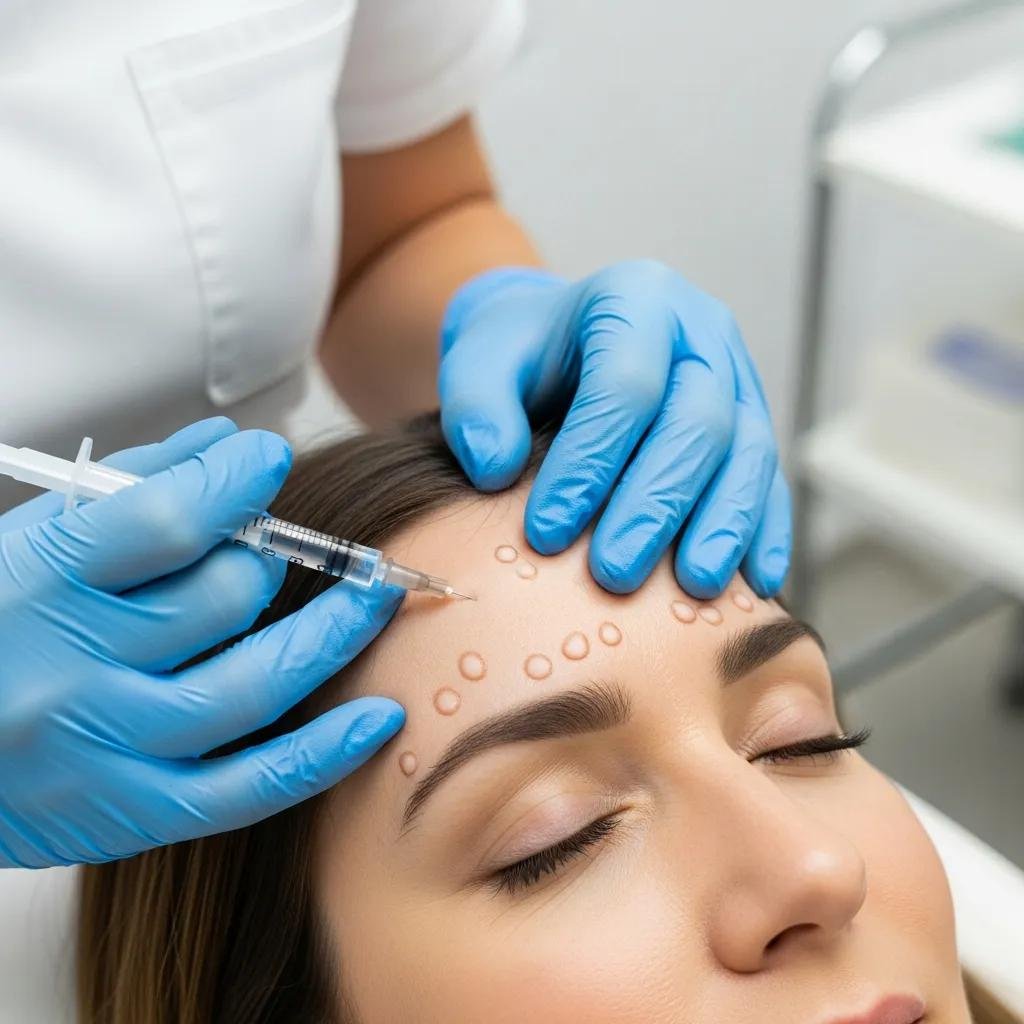
Anti-aging strategies target either the muscle movement that causes dynamic wrinkles, the volume loss that creates static creases, or the dermal matrix to rebuild collagen. Neuromodulators such as Botox and Dysport work by temporarily reducing muscle contraction, which softens expression lines within days and lasts several months. Dermal fillers—formulations like hyaluronic acid or biostimulators—restore lost volume, lift folds, and can stimulate collagen over months to years depending on the product. Understanding whether your lines are dynamic or structural determines whether a neuromodulator, filler, or combined approach best meets your goal.
Neuromodulator onset and filler expectations:
- Neuromodulator onset: Results often begin within 3–7 days and reach peak effect around two weeks.
- Filler durability: Duration varies by product and area, from several months to up to 2 years with hyaluronic acid fillers; biostimulators like Sculptra may stimulate collagen over longer periods.
- Combined strategy: Many patients benefit from both smoothing and volume restoration to address dynamic movement and structural support simultaneously.
Which Treatments Improve Skin Texture and Tone?
Treatment choices for texture, tone, and pigment focus on controlled injury or energy delivery to stimulate remodeling and remove superficial damage. Chemical peels and VI Peels exfoliate damaged layers to improve tone and hyperpigmentation with variable downtime depending on peel strength. Laser resurfacing (Er:YAG) and RF microneedling create micro-injury and heat to trigger collagen synthesis, reduce acne scarring, and tighten skin over a series of sessions. IPL photofacial targets vascular and pigmented lesions with minimal recovery for many skin types but requires careful parameter selection for darker skin tones.
When selecting a resurfacing pathway, consider the trade-offs:
- Deeper lasers: Greater single-session change with longer recovery.
- RF microneedling: Less downtime with progressive collagen remodeling.
- Chemical peels: Customizable intensity for pigmentation and superficial texture.
What Are the Main Categories of Aesthetic Treatments?
Aesthetic procedures fall into clear categories—injectables, skin resurfacing, body contouring, and laser therapies—each defined by mechanism, typical results, longevity, and downtime. Injectables modify muscle action or add volume; resurfacing promotes dermal remodeling; body-contouring reduces adipose tissue non-surgically; lasers target pigment, vascular issues, or unwanted hair and tattoos. The table below compares these categories to clarify which category aligns with common goals and recovery expectations.
| Category | Mechanism | Typical Result |
|---|---|---|
| Injectables (neuromodulators, fillers) | Modulate muscle or add volume | Smoothing, contouring, immediate to gradual results |
| Skin resurfacing (peels, lasers, RF microneedling) | Controlled injury/energy for remodeling | Improved texture, tone, scar reduction |
| Body contouring (SculpSure) | Targeted adipose heating | Reduced localized fat, gradual over weeks |
This comparison highlights how each category achieves outcomes through different biological effects and timelines. Within injectables and resurfacing, safety and sequencing matter, which is why board-certified oversight is essential when combining modalities.
How Do Injectables Like Botox and Dermal Fillers Work?
Neuromodulators block specific neurotransmitter release to temporarily relax targeted muscles, softening dynamic lines and improving facial harmony with relatively low downtime. Dermal fillers consist of substances that add volume or stimulate collagen; they are placed strategically to restore structure and balance, with immediate visual improvement and varying longevity depending on product choice. Procedural safety hinges on precise anatomical knowledge, appropriate product selection, and aftercare to minimize bruising, swelling, or rare complications.
Key practical points about injectables:
- Session length: Typically short clinic visits with rapid recovery.
- Onset and maintenance: Neuromodulators act quickly; fillers may require maintenance intervals.
- Safety: Provider expertise determines outcome quality and complication risk.
What Are the Benefits of Skin Resurfacing Procedures?
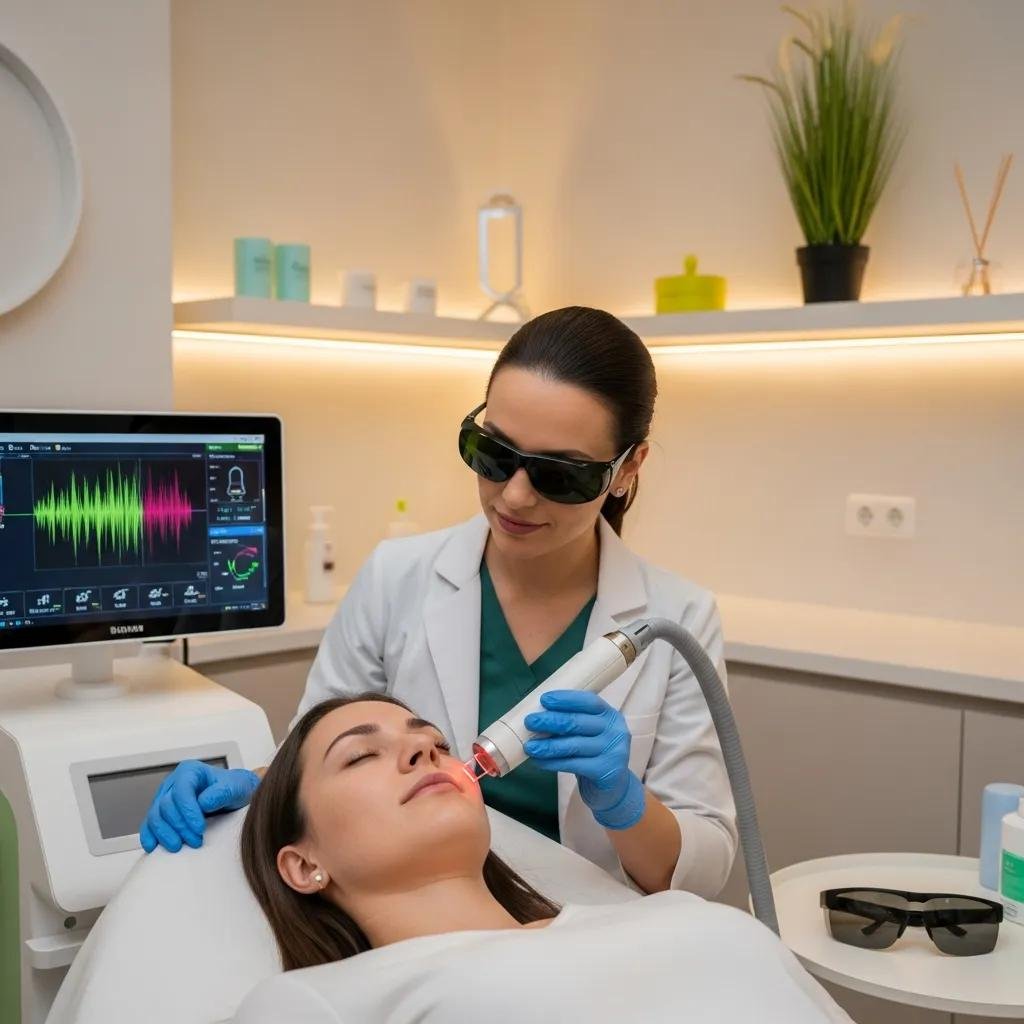
Skin resurfacing procedures improve surface irregularities and stimulate deeper collagen renewal, producing smoother texture, more even tone, and softer scars over weeks to months. Chemical peels offer graded exfoliation for pigment and superficial damage; lasers and Er:YAG provide ablative or non-ablative energy to remodel dermis; RF microneedling combines mechanical injury with radiofrequency heat to enhance tightening. Expectations should include a series-based approach for progressive improvement and maintenance treatments to sustain results long term.
Resurfacing trade-offs summarized:
- Single deep treatment: Significant change with longer downtime.
- Series approach: Gradual improvement, less acute recovery.
- Maintenance: Periodic touch-ups extend benefits.
What Factors Should Influence Your Treatment Selection?
Choosing the right treatment requires evaluating five core factors: your skin type and tone, the specific aesthetic goal, acceptable downtime, desired longevity of results, and the treating provider’s expertise. These factors interact—darker skin tones may need gentler resurfacing parameters to avoid pigmentary risk, while limited downtime favors neuromodulators or low-downtime contouring. A concise checklist helps prioritize trade-offs and frame questions for a consultation.
Checklist for treatment selection:
- Skin type and pigmentation: Determines modality safety and parameter choice.
- Downtime tolerance: Guides between quick-return options and more intensive remodeling.
- Longevity desired: Short-term smoothing vs. long-term structural change.
- Budget and maintenance: Upfront cost plus repeat sessions affect selection.
- Provider expertise: Board-certified clinicians reduce risk and improve sequencing.
| Patient Factor | Desired Attribute | Example Procedures |
|---|---|---|
| Sensitive or darker skin | Low pigment risk, conservative energy | IPL alternatives, mild peels, RF microneedling with care |
| Minimal downtime | Rapid recovery | Neuromodulators, light peels, body contouring |
| Long-term volume | Structural correction | Fillers, Sculptra-type biostimulators |
These decision elements form a practical rubric for narrowing options before an individualized plan is developed with an expert.
How Does Your Skin Type Affect Treatment Choice?
Skin type and tone modify both efficacy and risk for many aesthetic procedures because pigmentation and scarring responses vary across skin types. Darker skin often requires lower-energy settings or alternative modalities to lower post-inflammatory hyperpigmentation risk, while thin or sensitive skin may show more bruising and slower recovery. Patch testing, conservative parameter selection, and experienced clinical judgment reduce complications and help determine whether a series-based, lower-intensity approach is safer and more effective.
Practical recommendations by skin characteristic:
- Darker skin: Favor non-ablative, progressive treatments with careful energy titration.
- Thin/sensitive skin: Use conservative volumes and gentle resurfacing.
- Acne-prone/oily skin: Combine resurfacing with topical management for better outcomes.
What Are the Considerations for Downtime and Recovery?
Downtime varies widely: neuromodulators and many filler sessions have minimal interruption, chemical peels and IPL may cause several days of surface recovery, and ablative lasers can require a week or more. Aftercare essentials include sun protection, gentle cleansing, and adherence to provider instructions to optimize healing and pigmentation outcomes. Timing treatments around events, layering modalities for staged recovery, and planning maintenance sessions all influence satisfaction and long-term results.
Typical downtime bands and preparation tips:
- Minimal (0–3 days): Neuromodulators, light fillers.
- Moderate (3–7 days): Medium peels, some laser passes.
- Extended (7+ days): Ablative resurfacing, deeper laser treatments.
How Does a Personalized Consultation Enhance Treatment Outcomes?
A personalized consultation defines medical history, aesthetic priorities, and objective skin assessment to create a safe, prioritized plan that aligns with your timeline and tolerance for downtime. In consultation, clinicians evaluate contraindications, photograph and analyze facial anatomy, discuss realistic outcomes, and sequence treatments to maximize benefits while minimizing overlap and risk. This structured assessment reduces surprises, improves predictability, and establishes measurable goals for follow-up and maintenance.
Shore MedSpa & Bio Aesthetics consultation value:
- Board-certified dermatologist assessment: Clinical diagnosis, safety screening, and aesthetic analysis.
- Customized treatment mix: Combining injectables, resurfacing, or body contouring when appropriate.
- Expectation setting and timeline: Clear milestones and maintenance planning to track results.
| Consultation Component | Assessment Item | Expected Outcome |
|---|---|---|
| Medical history | Medications, contraindications | Safe treatment selection |
| Skin analysis | Tone, texture, scarring | Modality and parameter choice |
| Goal mapping | Patient priorities | Sequenced treatment plan |
This consultation framework ensures treatments are evidence-informed, personalized, and aligned with safety priorities.
What Is the Role of Expert Assessment by a Board-Certified Dermatologist?
A board-certified dermatologist evaluates medical history, conducts a focused skin and structural exam, identifies contraindications, and sequences therapies based on risk-benefit analysis. Their training supports nuanced decisions about energy settings, filler types, and combined therapy timing to reduce complications and enhance natural results. Clinical judgment also informs monitoring and aftercare strategies that preserve outcomes over time.
Diagnostic and safety checks include:
- Medication and allergy review to avoid adverse interactions.
- Anatomic assessment for safe injection layers and laser candidacy.
- Procedural sequencing to prevent overlapping inflammation.
How Are Tailored Treatment Plans Developed to Match Your Goals?
Tailored plans begin with goal prioritization, clinical assessment, and a proposed sequence that balances rapid improvements with staged remodeling procedures. Examples include pairing filler volumization with later RF microneedling for texture, or scheduling neuromodulators before contouring to refine dynamics. Plans specify session timing, expected recovery windows, and maintenance intervals so patients and providers measure progress consistently.
Steps in plan development:
- Assess and prioritize goals to choose primary targets.
- Select complementary modalities to address multiple tissue layers.
- Schedule and consent with clear timelines and follow-up checkpoints.
This stepwise, personalized approach improves predictability, safety, and the durability of aesthetic outcomes.