Holiday Glow: Best Aesthetic Treatments for Radiant Skin Before the Festive Season
A “holiday glow” means skin that looks hydrated, even-toned, and visibly smooth for photos and gatherings. This glow is achieved by targeting hydration, exfoliation, collagen stimulation, and strategic soft-tissue volume — all mechanisms that aesthetic treatments address. In this guide you’ll learn which quick medspa procedures deliver instant radiance, which pre-holiday preparations provide longer-lasting brightness, and how advanced regenerative options change texture and volume over weeks to months. Readers will also find practical scheduling advice for injectables, realistic downtime expectations, and safe combination strategies to minimize recovery while maximizing results. Each section explains mechanisms, timing, and aftercare so you can plan treatments before celebrations with confidence. Keywords like holiday glow, pre-holiday skin prep, HydraFacial holiday glow, microneedling collagen boost, and laser resurfacing before holidays are woven throughout to help you prioritize options that match your timeline and desired radiance.
Which Quick Medspa Treatments Deliver an Instant Holiday Glow?
Quick treatments are defined by immediate visual benefit and minimal downtime; they work by exfoliating surface layers, infusing hydration, or removing barrier impediments to light reflection.
These procedures matter before events because they create a photo-ready complexion without lengthy recovery. Below is a direct list of the most reliable instant treatments, each with one-line benefit and typical downtime for featured-snippet clarity. Read the short list to pick a same-day or 1–3 day option that fits your schedule; the following table then compares duration and downtime concisely.
Top instant treatments for near-immediate radiance:
- HydraFacial: Deep cleansing, exfoliation, and hydration for immediate glow — downtime: none to same-day.
- Dermaplaning: Removes vellus hair and dead skin for smoother makeup application — downtime: none.
- LED Skin Therapy: Reduces redness and boosts luminosity via photobiomodulation — downtime: none.
- No-downtime brightening peels: Superficial chemical peels to slough dull cells — downtime: minimal (24–48 hours).
These options are ideal when you need visible improvement within 0–3 days. The next subsection explains why HydraFacial is particularly effective for winter dehydration.
How Does HydraFacial Provide Deep Hydration and Radiance?
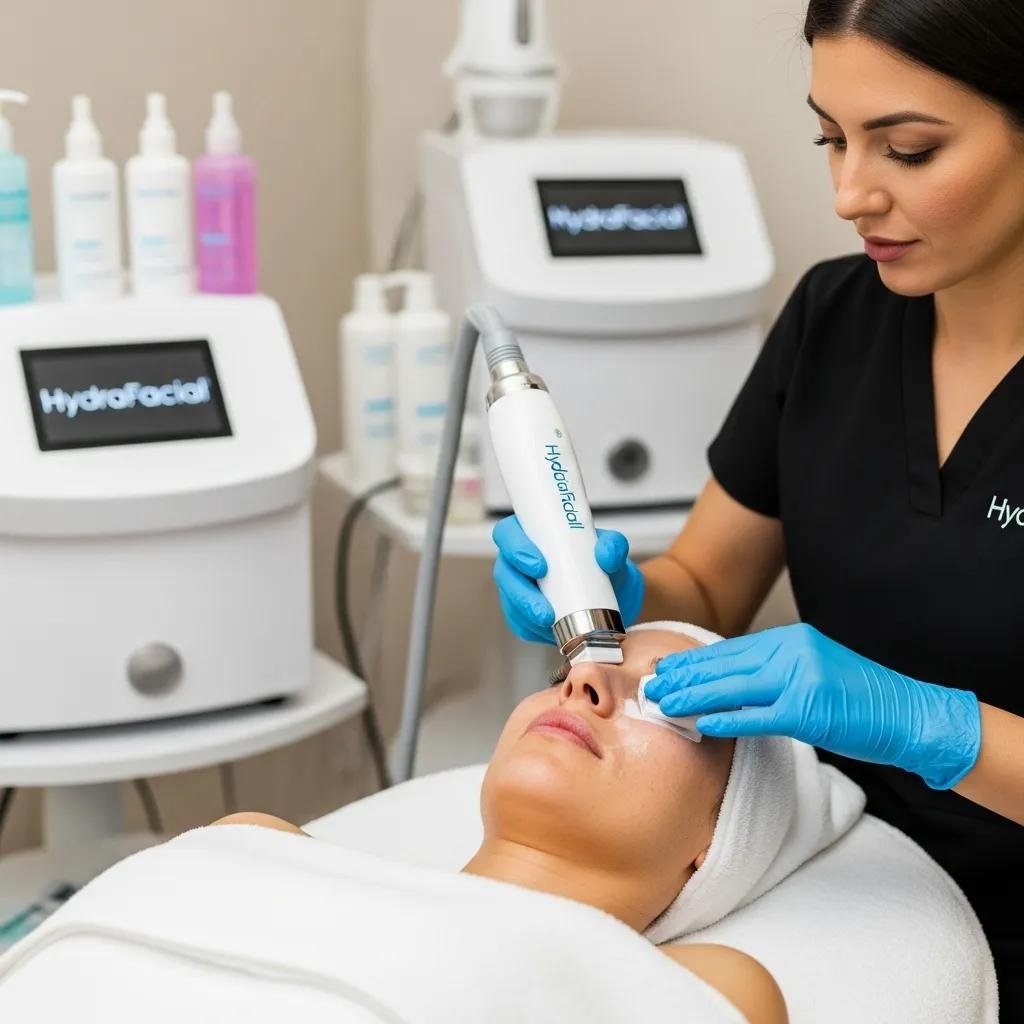
HydraFacial combines gentle exfoliation, painless extractions, and infusion of hydrating serums to restore surface luminosity and improve skin barrier function. The mechanism is exfoliation plus infusion: dead surface cells are removed while hyaluronic acid and antioxidants are delivered to epidermal layers, increasing light reflection and plumpness. Benefits include immediate radiance, reduced roughness, and enhanced product absorption, which are especially helpful for winter skin prone to dehydration. Timing is straightforward — a HydraFacial within 24–72 hours of an event yields optimal glow with no visible downtime, and this makes it a go-to choice for last-minute prep.
What Are the Benefits of Dermaplaning for Smooth, Glowing Skin?
Dermaplaning uses a sterile blade to remove vellus hair and the outermost layer of dead skin, producing a smoother surface that reflects light more evenly. This physical exfoliation improves makeup application and allows serums to penetrate more effectively, delivering a noticeable glow the same day. The procedure has virtually no downtime, though sun protection after the treatment is essential because the new epidermal surface is more photosensitive. Schedule dermaplaning 1–3 days before an event for the best combination of smoothness and safety.
| Treatment | Duration | Downtime | Key Benefit |
|---|---|---|---|
| HydraFacial | 30–60 minutes | None | Deep hydration and immediate luminosity |
| Dermaplaning | 20–40 minutes | None | Smooth surface, better makeup application |
| LED Skin Therapy | 20–30 minutes | None | Calms redness and enhances glow |
This quick comparison highlights how instant treatments prioritize hydration and surface renewal with negligible recovery, making them ideal for last-minute holiday preparations.
What Are the Top Pre-Holiday Skin Prep Procedures for Lasting Radiance?
Pre-holiday prep procedures require planning because they remodel tone, reduce pigmentation, or smooth lines over days to months; they work through controlled exfoliation, neuromodulation, or volume restoration. Deciding between short-term and longer-term prep depends on your event date and desired durability. Below is a scheduling-oriented timeline to help you choose procedures based on lead time, followed by a comparison table that lists common options and their typical downtime windows.
If you have 1–2 weeks:
- Superficial chemical peel or no-downtime brightening peel: improves tone and texture with light desquamation.
- HydraFacial with boosters: immediate hydration plus gradual improvement in texture.
- LED therapy series: cumulative effects on redness and surface radiance.
If you have 4–12 weeks:
- Microneedling series: collagen induction yields progressive texture improvement.
- Laser resurfacing (fractional/ablative): more significant rejuvenation for fine lines and pigmentation.
- Dermal fillers or biostimulators: volume correction and remodeling over weeks.
Plan treatments by working backward from your event date and selecting options aligned with your recovery tolerance. The next subsection explains how peels work and how to time them.
How Do Chemical Peels Even Skin Tone and Enhance Brightness?
Chemical peels create controlled exfoliation of damaged or pigmented layers to reveal fresher epidermis and stimulate epidermal turnover. Light peels (alpha hydroxy or beta hydroxy acids) exfoliate superficially and improve brightness with minimal flaking over 3–7 days, while medium peels (lower-concentration TCA, typically 15–25%) penetrate deeper and require longer healing. Benefits include reduced hyperpigmentation, smoother texture, and improved product efficacy, useful when tackling sun damage or post-inflammatory marks before the holidays. Aftercare centers on sun avoidance and barrier repair; schedule light peels 1–2 weeks before an event and medium peels at least 3–4 weeks out to allow for visible recovery.
| Procedure | Typical Lead Time | Downtime | Primary Benefit |
|---|---|---|---|
| Light chemical peel | 1–2 weeks | 3–7 days | Brightens tone, mild resurfacing |
| Medium peel (TCA 15–25%) | 3–4 weeks | 7–14 days | Reduces deeper pigment and texture issues |
| Superficial peel series | 4–8 weeks | Variable | Cumulative improvement in brightness |
This comparison helps match peel depth to schedule and desired outcomes. Understanding downtime guides safer timing for holiday events.
When Should You Schedule Botox and Dermal Fillers for Festive Wrinkle Reduction?
Neuromodulators like Botox and Dysport reduce dynamic wrinkles by temporarily inhibiting muscle activity; onset is typically visible within 3–7 days and stabilizes by 2 weeks. Scheduling neuromodulators 2–4 weeks before key events allows for full effect and minor adjustments. Dermal fillers (hyaluronic acid products and biostimulators like Sculptra) restore volume immediately, but settling, edema reduction, and collagen stimulation can take 2–8 weeks depending on product. Book injectable consultations early so the provider can create a timeline and manage expectations; a safety-focused plan reduces risk and ensures you achieve a natural, festive-ready look. The next section compares regenerative options for texture and volume.
How Can Advanced Treatments Improve Skin Texture and Volume for the Holidays?
Advanced options focus on durable changes: collagen induction, controlled ablation, and volume restoration yield improvements that evolve over weeks to months. These procedures are hyponyms of broader categories like aesthetic treatments and medspa services, and they operate via meronyms such as collagen stimulation, volume restoration, and dermal remodeling. Choosing between microneedling, laser resurfacing, and fillers depends on the specific texture, fine-line, and volume goals, along with acceptable downtime and lead time. The following table clarifies mechanisms and expected timelines to help set realistic expectations.
| Treatment | Mechanism | Expected Time to Noticeable Results |
|---|---|---|
| Microneedling | Collagen induction via micro-injury | 4–12 weeks (cumulative over sessions) |
| Er:YAG laser resurfacing | Ablative resurfacing stimulating remodeling | 2–12 weeks (depends on depth) |
| Dermal fillers / Sculptra | Volume restoration and biostimulation | Immediate to gradual; up to 8–12 weeks for full effect |
These distinctions clarify regenerative versus instant approaches and why some treatments require longer planning. The next subsections explain microneedling and laser resurfacing in practical terms.
What Are the Effects of Microneedling on Collagen Production and Skin Texture?
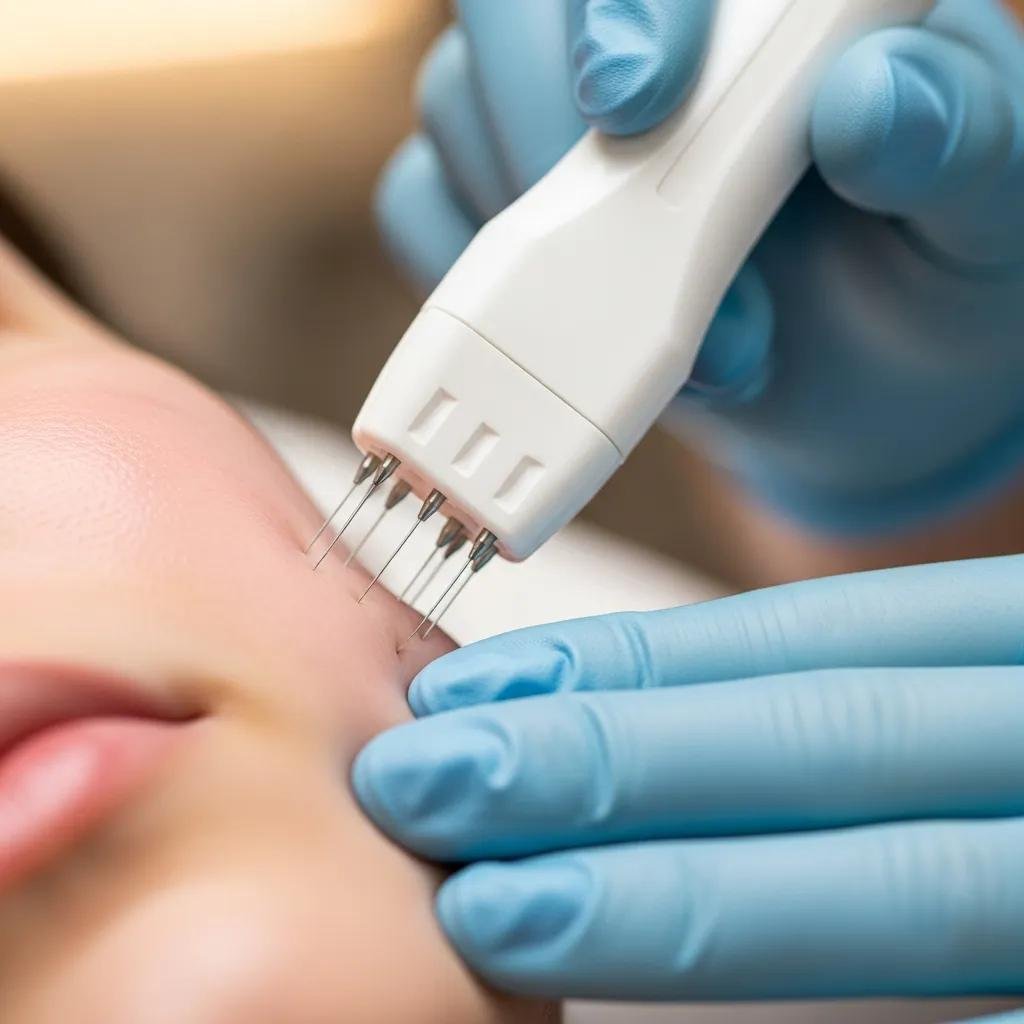
Microneedling produces controlled micro-injuries that stimulate a wound-healing cascade, increasing collagen and elastin deposition and improving skin texture over several weeks. Typical protocols involve multiple sessions spaced 4–6 weeks apart; cumulative results manifest from about 4 weeks and continue to improve through 12 weeks as collagen matures. Microneedling can reduce fine lines, refine pores, and enhance product delivery when combined with serums or PRP/PRF. Downtime is usually limited to transient erythema and mild swelling for 24–72 hours, and careful post-procedure barrier repair and sun protection accelerate recovery.
How Does Laser Resurfacing Renew Skin and Reduce Fine Lines?
Laser resurfacing removes or heats targeted skin layers to stimulate remodeling and improve fine lines, texture, and pigment. Er:YAG is an ablative laser effective for significant resurfacing; fractional approaches limit zones of injury to shorten recovery while preserving remodeling benefits. Recovery ranges from a few days for fractional, non-ablative treatments to one to two weeks for deeper ablative procedures, with progressive improvement over months as collagen reorganizes. Schedule deeper resurfacing at least 6–12 weeks before major events for complete re-epithelialization and visible improvement, and choose milder settings when your timeline is shorter.
Why Choose Personalized Aesthetic Plans at Shore MedSpa for Your Holiday Glow?
Personalized plans align treatment selection, sequencing, and safety protocols with individual skin health and event timelines; dermatologist-led oversight adds clinical precision and complication management. Shore MedSpa & Bio Aesthetics, led by Janine Shore, emphasizes dermatologist-led, science-backed care and individualized protocols designed for natural-looking results and uncompromising safety. Services offered that directly support holiday readiness include HydraFacial, Chemical Peels, Microneedling, Er:YAG Laser Resurfacing, Botox, Dysport, Dermal Fillers (including Sculptra), LED Skin Therapy, and Dermaplaning. A consultation at a dermatologist-led medspa ensures an evidence-based plan that sequences quick glow treatments and longer-term procedures to minimize downtime and maximize radiance.
Shore MedSpa’s approach focuses on assessment, tailored technology selection, and patient education to reduce risk and improve outcomes. This clinical oversight means accurate diagnosis of pigment or texture issues and appropriate selection among exfoliation, collagen-stimulating procedures, neuromodulation, and volume restoration. For readers deciding between options, combining expertise with a clear timeline is the safest route to a reliable holiday glow.
How Does Dermatologist-Led Care Ensure Safe and Natural-Looking Results?
Dermatologist-led care ensures that assessment captures underlying skin conditions, such as sun damage or barrier dysfunction, which alters treatment choice and sequencing. Physicians can tailor concentrations for chemical peels, select laser parameters like Er:YAG settings, and manage injectable plans to achieve proportionate, natural outcomes while anticipating and preventing complications. This clinical oversight also supports informed consent, appropriate pre- and post-procedure instructions, and monitoring during recovery, which improves safety and patient satisfaction. Understanding these benefits clarifies why dermatologist-led personalization often yields more reliable results than a one-size-fits-all approach.
What Combination Treatments Enhance Radiance with Minimal Downtime?
Combination treatments pair complementary mechanisms to amplify results while spacing recovery for safety and convenience. Common, sensible pairings include HydraFacial plus a light peel for hydration plus exfoliation, microneedling with topical PRP/PRF to boost induction effects, and neuromodulator injections with conservative fillers to refine expression while restoring subtle volume. Below is a short list of effective combos and sequencing advice.
- HydraFacial + Light Peel: immediate glow and surface brightening; schedule same week.
- Microneedling + PRP/PRF: enhanced collagen induction; allow 4–6 weeks before event for cumulative effect.
- Botox/Dysport + Dermal Filler: smooth dynamic lines and restore volume; schedule injectables 2–8 weeks ahead.
These pairings leverage additive mechanisms — exfoliation, collagen stimulation, neuromodulation, and volume restoration — while minimizing overlapping downtime. Always pursue combined plans under dermatologist supervision to sequence safely and achieve a balanced holiday-ready appearance.