
The Dairy & Acne Connection: Scientific Evidence and Diet Recommendations for Clear Skin
Many people wonder whether cutting milk from their diet will clear persistent acne, and current research provides a nuanced answer: some dairy types are associated with increased acne in some individuals, but the effect is not universal. This article reviews the scientific evidence linking dairy products to acne, explains plausible biological mechanisms such as IGF-1 and insulin-mediated sebum changes, and offers practical, evidence-based diet recommendations for people who want to test whether dairy affects their skin. You will learn which dairy products show the strongest associations in population studies, why skim milk appears repeatedly in analyses, what non-dairy dietary triggers to consider, and how to run a controlled elimination trial safely. The piece closes with a brief description of how Shore MedSpa & Bio Aesthetics pairs dietary guidance with advanced dermatologic procedures when medical management is needed. Throughout, target terms like dairy acne, skim milk acne, whey protein acne, acne diet, and anti-inflammatory diet acne are integrated to help you find clear, actionable steps grounded in recent studies.
Does Dairy Cause Acne Breakouts for Everyone?
Dairy does not cause acne in everyone; research shows an association for many people but not a universal causal effect. Population studies, including cross-sectional and cohort analyses summarized in meta-analyses, report modest positive associations between certain dairy products—most notably skim milk—and acne prevalence, suggesting a consistent signal across populations. The mechanism likely involves dairy-associated increases in circulating insulin and insulin-like growth factor 1 (IGF-1), which stimulate sebaceous activity and keratinocyte proliferation, creating a biological pathway from dairy intake to lesion formation. Observational designs limit causal certainty, so individual variability in genetics, hormonal milieu, and overall diet quality strongly modifies outcomes and warrants personalized testing.
What Does Research Say About Dairy and Acne Link?
Research on dairy and acne includes cross-sectional surveys, prospective cohort studies, and pooled meta-analyses that generally report a small-to-moderate association between milk consumption and acne risk. Large adolescent cohorts and pooled analyses from recent years consistently highlight skim and low-fat milk as showing stronger associations than whole milk, despite limited randomized trials. Limitations include self-reported diet, confounding by overall dietary patterns and sugar intake, and lack of detailed dose-response data. Recent studies frame the evidence as suggestive rather than definitive, meaning diet trials are reasonable as part of a broader acne management plan.
How Do Individual Responses to Dairy Vary?
Individual sensitivity to dairy depends on host factors such as hormone levels, genetic predisposition, baseline inflammation, and the overall glycemic load of the diet, each modifying acne risk. For example, higher IGF-1 responsiveness or pre-existing androgen-driven sebum production can amplify the acne-promoting effects of insulinogenic foods and dairy-derived hormones. A pragmatic self-test is a controlled elimination trial—remove suspect dairy for 6–12 weeks while keeping other dietary factors stable—to observe changes in lesion counts and inflammation. If acne persists or worsens, consult a clinician for bloodwork and a tailored plan that considers both diet and medical or procedural treatment options.
Which Dairy Products Are Most Likely to Worsen Acne?

Different dairy products carry different levels of evidence and plausible mechanisms for affecting acne, with skim milk most frequently implicated and concentrated protein products like whey supplements also raising concern. The product-specific differences may reflect processing, protein concentration, and added ingredients (for example, sugar in flavored yogurts) that alter insulin and IGF-1 responses. Below is a concise comparison table that summarizes evidence strength and practical advice for common dairy types to help readers prioritize dietary changes. After the table, a brief interpretation highlights which swaps are most likely to reduce acne-related drivers.
Different dairy types vary in their association with acne and in plausible mechanisms; this table distills comparative evidence to guide practical choices.
| Dairy Product | Evidence Strength / Mechanism | Practical Advice |
|---|---|---|
| Skim milk | Consistently associated in observational studies; may be more insulinogenic | Trial switching from skim to non-dairy or full-fat alternatives if suspecting sensitivity |
| Whole milk | Mixed evidence; fat content may modulate insulin response | Monitor individual reaction; whole milk shows weaker association than skim in some studies |
| Cheese | Limited/variable evidence; lower lactose content but concentrated casein | Reduce high-cheese meals if acne flares follow; prefer minimally processed options |
| Yogurt (plain, probiotic) | Mixed; probiotic-rich, low-sugar yogurts may be neutral or beneficial | Choose low-sugar, live-culture yogurts if keeping dairy |
| Whey protein | Stronger mechanistic concern due to concentrated proteins and hormones | Avoid high-dose whey supplements during elimination trials if acne is active |
This comparison shows skim milk and concentrated whey proteins are the highest-priority suspects for people testing dietary triggers, while fermented low-sugar yogurt and modest cheese intake are lower-priority concerns.
Why Is Skim Milk Strongly Associated with Acne?
Skim milk’s stronger epidemiological link to acne may stem from its processing and resultant insulinogenic effects, which increase circulating insulin and IGF-1—two hormones that promote sebaceous gland activity and follicular hyperkeratinization. Additionally, removal of fat may alter milk’s protein fraction availability or the way hormones in milk interact with metabolism, potentially magnifying acne-related pathways. Mechanistic studies suggest IGF-1 promotes lipid synthesis in sebocytes and stimulates keratinocyte proliferation, creating a biological bridge from skim milk to increased lesion formation. For practical purposes, individuals suspecting skim milk sensitivity can substitute non-dairy milks or test full-fat dairy under clinician guidance.
Do Cheese, Yogurt, and Whey Protein Affect Acne Differently?
Cheese and yogurt show more inconsistent findings, likely because fermentation, probiotic content, and added sugars change their biological effects compared with liquid milk, while whey protein supplements present a different risk due to concentration. Plain, low-sugar fermented yogurts containing live cultures may reduce inflammation and have neutral or beneficial effects, whereas sugary, flavored yogurts can increase glycemic load and inflammation. Cheese generally shows weaker associations than milk, but heavy consumption of heavily processed cheese could contribute to dietary patterns that exacerbate acne. Whey protein supplements concentrate dairy proteins and bioactive fragments that plausibly raise IGF-1 and insulin responses, so they merit particular caution during acne flare-ups.
What Dietary Changes Can Help Manage Acne Beyond Avoiding Dairy?
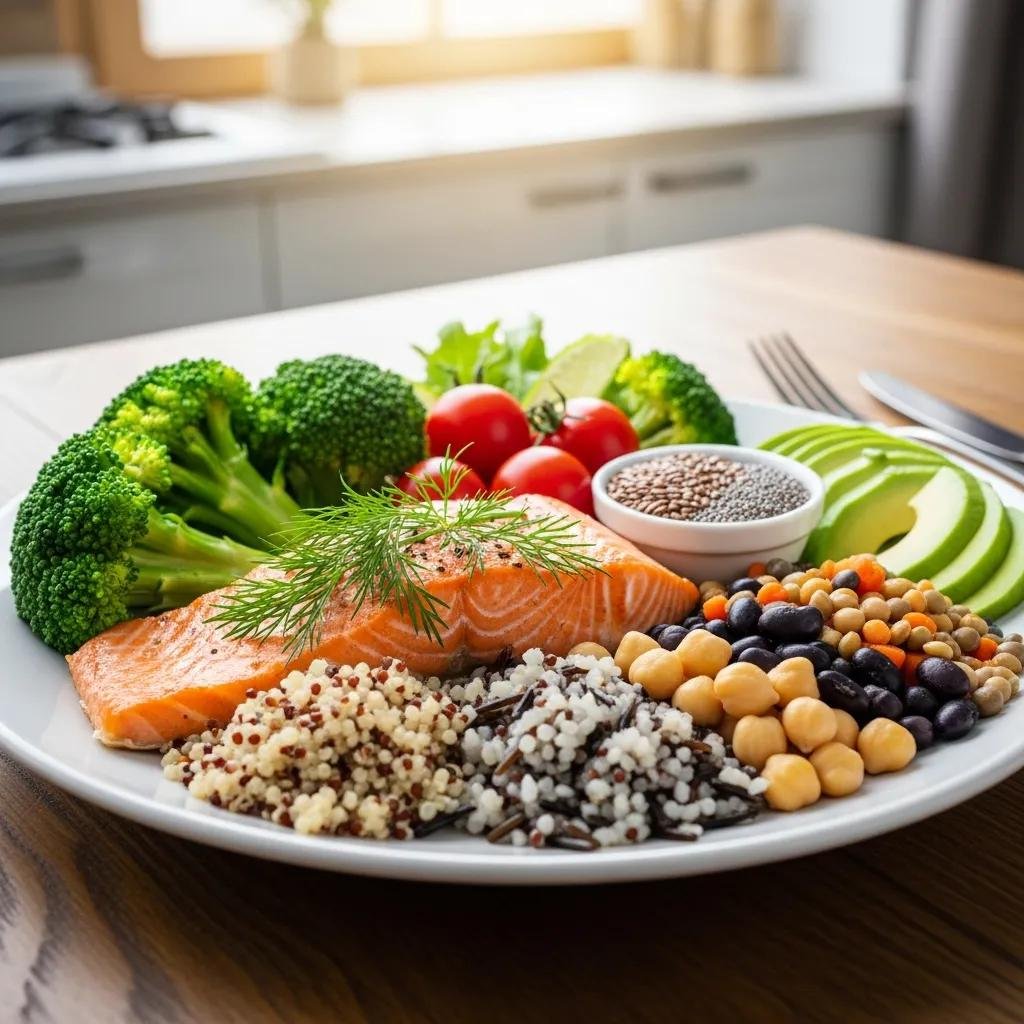
Dietary strategies that reduce insulin spikes and systemic inflammation offer the most consistent support for clearer skin, with low-glycemic patterns, increased omega-3 intake, and mindful reductions in processed sugars showing the best evidence. Adopting a lower glycemic-load diet reduces insulin surges that drive sebum production and follicular obstruction, while omega-3 fatty acids and antioxidant-rich foods can lower cutaneous inflammation and support barrier health. Practical implementation focuses on whole grains, legumes, fatty fish, nuts, and colorful vegetables while limiting high-GI snacks, sweetened beverages, and excessive refined carbs. Below is a compact action table that links dietary changes to mechanisms and expected benefits to help readers prioritize interventions.
These dietary changes target insulin and inflammatory pathways that contribute to acne, summarized for practical application.
| Dietary Change / Food | Mechanism | Expected Impact / Tip |
|---|---|---|
| Low-glycemic foods (whole grains, legumes) | Lowers post-meal insulin spikes | May reduce lesion counts over weeks; replace refined carbs with whole foods |
| Increase omega-3s (salmon, flaxseed) | Reduces inflammatory mediators | Can decrease redness and inflammatory lesions with consistent intake |
| Reduce added sugars and high-GI snacks | Lowers systemic inflammation and insulin surges | Swap sweets for fruit and nuts to stabilize blood glucose |
| Dairy alternatives (unsweetened plant milks) | Removes dairy-derived IGF-1 exposure | Useful during elimination trials; choose unsweetened versions |
To put these recommendations into practice, begin with a 6–12 week low-glycemic, lower-sugar plan and increase omega-3-rich meals; track skin changes with photos and lesion counts. If improvements occur, reintroduce items one at a time to identify specific triggers, and maintain the overall anti-inflammatory pattern for lasting benefit.
Which Foods Besides Dairy Trigger Acne?
Beyond dairy, high-glycemic foods, refined carbohydrates, excessive simple sugars, and some concentrated supplements can trigger hormonal responses that worsen acne by raising insulin and inflammatory markers. Processed snack foods, sugary beverages, and frequent high-GI meals produce repeated insulin surges that increase sebum production and promote comedone formation. Certain supplements, notably high-dose whey protein or products with added hormones, can also be problematic during active acne. Simple swaps—whole fruit for sugary snacks, legumes for refined grains, and plant-based protein powders for whey—help stabilize insulin responses and reduce inflammatory burden.
How Do Anti-Inflammatory Diets Support Clearer Skin?
Anti-inflammatory diets support clearer skin by supplying omega-3 fatty acids, antioxidants, and polyphenols that lower cutaneous and systemic inflammation while improving metabolic regulation. Omega-3s reduce pro-inflammatory eicosanoids, antioxidants protect skin from oxidative stress, and polyphenols modulate gut microbiota in ways that can influence systemic inflammation and hormone metabolism. Practical examples include fatty fish twice weekly, meals rich in colorful vegetables, and snacks like walnuts or flaxseed to boost alpha-linolenic acid intake. Most people see measurable improvements in inflammation-related lesions within 6–12 weeks when combining reduced glycemic load with an anti-inflammatory pattern.
How Does Shore MedSpa Integrate Diet and Treatments for Acne Management?
Shore MedSpa & Bio Aesthetics in Rockville, MD applies a combined approach that pairs dietary counseling and patient education with targeted in-clinic procedures overseen by a board-certified dermatologist to optimize acne control and scar management. The clinic emphasizes evidence-based lifestyle guidance—such as low-glycemic meal plans and elimination trials for dairy or whey—alongside procedural options when lesions or scarring persist despite diet and topical therapies. Below is a concise list of in-office treatments commonly used to address active acne, texture, and scarring within a personalized plan that respects medical evaluation and skin type.
Shore MedSpa & Bio Aesthetics integrates nutrition-focused counseling with procedural dermatology to accelerate visible improvement while addressing underlying drivers of acne.
- VI Peels and chemical peels: used for active inflammatory acne and to improve skin texture.
- RF microneedling: targets acne scarring by stimulating collagen remodeling and skin tightening.
- Er:YAG laser resurfacing: treats deeper scarring and uneven texture through controlled ablation and renewal.
The patient pathway typically begins with medical assessment and a documented dietary trial; if lesions or scars do not sufficiently improve, clinicians design a tailored course combining peels, energy-based therapies, and ongoing dietary support. This integrated model preserves the primacy of evidence-based diet and lifestyle changes while offering advanced procedural options to shorten recovery time and improve long-term skin outcomes.
What Advanced Treatments Does Shore MedSpa Offer for Acne and Scars?
Shore MedSpa & Bio Aesthetics lists several advanced procedures suited to different acne concerns: superficial peels for active lesions and texture, RF microneedling for rolling or boxcar scars, and Er:YAG laser resurfacing for deeper textural defects, all performed under board-certified dermatologist oversight. Chemical peels, including medium-depth options, can reduce inflammation and unclog follicles, providing adjunctive benefits during dietary changes. RF microneedling stimulates dermal remodeling to soften scars over serial treatments, while Er:YAG laser resurfaces skin to restore smoother texture after inflammatory acne has subsided. These options are selected based on scar type, skin tone, and prior treatment response.
How Does Combining Diet and MedSpa Services Improve Skin Outcomes?
Combining dietary change with in-clinic treatments produces a complementary effect: diet reduces systemic and hormonal drivers of new lesions while procedures accelerate resolution of existing lesions and improve scarring. Addressing internal drivers such as IGF-1 and insulin through a low-glycemic, anti-inflammatory diet reduces the substrate for acne formation, making procedural results more durable. A typical combined timeline involves a 6–12 week dietary trial followed by staged procedures to address persistent comedones, inflammatory lesions, and residual scarring, with reassessment and maintenance planning. For persistent acne despite diet modifications, scheduling a personalized consultation at Shore MedSpa & Bio Aesthetics can clarify whether procedural interventions might safely and effectively complement lifestyle changes.