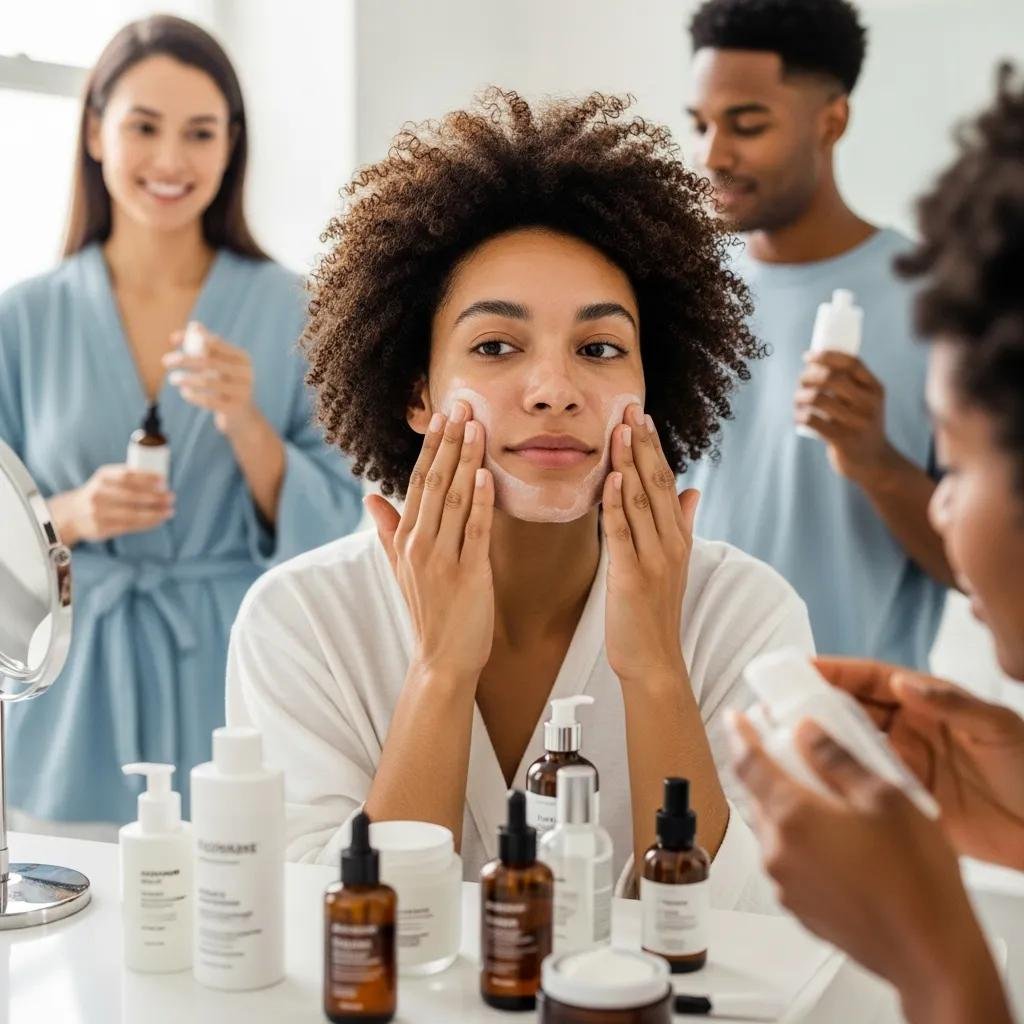
Oily Skin Care Tips: Effective Ways to Manage Shine and Breakouts
Excess sebum production causes oily skin, creating visible shine and increasing the risk of clogged pores and breakouts; this article explains practical routines, ingredient choices, professional options, and lifestyle actions to reduce facial oil and acne. You will learn what drives oiliness, a step-by-step AM/PM oily skin routine, which active ingredients work best, and how clinical treatments can change skin texture and pore behavior. The guidance blends everyday skincare tactics—like salicylic acid cleansers and lightweight, non-comedogenic sunscreens—with explanations of mechanisms so you can choose products that truly reduce shine. We also cover professional therapies that target sebum, pore size, and post-acne texture; where appropriate, consultation with a dermatologist-led clinic can tailor stronger treatments safely. Read on for clear how-to steps, comparison tables of product categories and procedures, and practical lifestyle tips to keep oil under control while preventing recurrent breakouts.
What Causes Oily Skin and How Does It Affect Shine and Breakouts?
Oily skin results from overactive sebaceous glands that produce excess sebum, which mixes with dead skin cells and environmental residues to create surface shine and clog pores; reducing sebum or preventing pore blockage decreases visible oil and lowers acne risk. Sebum production is regulated biologically by sebaceous gland activity and hormones, and externally by humidity, occlusive products, and skincare habits. Understanding this causal chain—sebaceous gland → sebum production → pore blockage → bacterial growth and inflammation—helps prioritize interventions that interrupt the chain early. The next sections break this down into physiological mechanisms and the main internal and external triggers that drive oiliness.
How Does Excess Sebum Production Lead to Oily Skin?
Sebaceous glands produce sebum to lubricate skin, but when production increases, oil accumulates on the surface and within pores, creating noticeable shine and a substrate for bacteria. Excess sebum binds with corneocytes (dead skin cells) to form plugs that narrow or block follicular openings, which leads to comedo formation and predisposes skin to inflammatory lesions. Cutibacterium acnes (formerly Propionibacterium acnes) and skin-surface microbes exploit the lipid-rich environment, triggering inflammation and papules or pustules when the immune response activates. Managing the early steps—gentle exfoliation, pore-penetrating actives, and barrier-supporting moisturizers—reduces both surface oil and downstream breakouts.
What Role Do Hormones and Genetics Play in Oily Skin?
Androgens and other hormonal factors upregulate sebaceous gland activity, explaining why oiliness often fluctuates with life stages such as puberty, the menstrual cycle, and stress-driven endocrine changes. Genetics set baseline sebaceous gland density and responsiveness, so a family history of oily or acne-prone skin predicts higher lifetime oiliness and pore visibility. Environmental exacerbators—heat, humidity, and certain heavy cosmetics—interact with genetic/hormonal predisposition to worsen shine and acne frequency. When fluctuations are pronounced or persistent, professional evaluation can identify hormonal contributors and guide targeted interventions.
What Is the Best Daily Skincare Routine for Oily and Acne-Prone Skin?

A focused AM/PM routine that cleanses without stripping, treats with pore-penetrating actives, maintains barrier health, and protects with non-comedogenic sun care reduces shine and prevents breakouts. The routine below emphasizes oil-control without provoking rebound sebum production by balancing exfoliation and hydration. For persistent or severe acne-prone skin, a dermatologist consultation can tailor clinical-strength salicylic acid treatments, professional peels, or prescription agents and consider in-office options available at dermatologist-led clinics. The short table that follows compares product categories to help you pick the right formats and timing.
Which Cleansers and Toners Help Control Facial Oil?
Gentle, low-foaming cleansers with salicylic acid or BHA derivatives penetrate pores to dissolve sebum and reduce comedones while avoiding harsh surfactants that strip and trigger rebound oil. Alcohol-free toners with niacinamide or light humectants help regulate sebum production and soothe inflammation without dehydrating the skin. Avoid abrasive scrubs and alcohol-heavy toners that strip oils and worsen oiliness; instead, use chemical exfoliation 2–3 times weekly and a soft cloth for physical removal when needed. Consistent, gentle cleansing reduces pore congestion and primes skin for targeted serums and moisturizers.
- Intro: The following AM/PM routine lists practical steps to manage oily, acne-prone skin efficiently.
- AM — Cleanse: Use a gentle salicylic acid foaming cleanser to clear excess oil and impurities.
- AM — Treat: Apply a lightweight niacinamide serum to regulate sebum and reduce redness.
- AM — Moisturize & Protect: Use an oil-free, mattifying moisturizer followed by a non-comedogenic mineral or chemical SPF.
- PM — Double-cleanse if needed: Remove sunscreen/makeup then cleanse, treat with targeted actives like retinoids, and finish with a hydrating gel moisturizer.
- Summary: This structured routine balances pore-clearing actives with barrier support to reduce shine and prevent acne.
Different product categories serve distinct roles in oily-skin care; the table below maps those choices to when and how to use them.
| Product Type | Key Benefit/Mechanism | When/How to Use |
|---|---|---|
| Oil-control cleanser (salicylic acid) | Penetrates and dissolves pore sebum | Use morning and/or evening; avoid daily harsh scrubbing |
| Niacinamide toner/serum | Regulates sebum and calms inflammation | Apply AM/PM before moisturizer; compatible with most actives |
| Lightweight gel moisturizer | Restores barrier and prevents rebound oiliness | Use a pea-sized amount AM/PM; choose “oil-free” or “mattifying” |
| Non-comedogenic mineral or chemical sunscreen | Protects skin without clogging pores | Apply every morning and reapply per activity; choose SPF labeled non-comedogenic |
This quick reference helps you assemble an oily skin routine that reduces shine while supporting barrier health.
How Can Professional Treatments Reduce Shine and Breakouts?

Professional treatments reduce sebum, refine pore architecture, and improve post-acne texture through exfoliation, collagen remodeling, and antimicrobial or anti-inflammatory modalities. Clinical procedures target the root mechanisms: chemical peels remove accumulated corneocytes and unclog pores; microneedling stimulates collagen to improve scars and pore appearance; laser resurfacing ablates and remodels superficial skin to smooth texture; LED therapy reduces bacteria and inflammation. Understanding each procedure’s mechanism and downtime helps set realistic expectations before committing to a course of care.
How Do Chemical Peels and Microneedling Improve Oily Skin?
Chemical peels use controlled exfoliation—often with beta-hydroxy or alpha-hydroxy acids—to remove dead skin cells and clear comedones, which directly reduces pore blockage and surface oil buildup. Superficial to medium-depth peels can be repeated in a series to gradually refine texture and reduce frequent breakouts, with recovery ranging from none to several days depending on peel strength. Microneedling creates micro-injuries that stimulate collagen and elastin production, improving acne scarring and pore contour over multiple sessions with minimal systemic risk. Both procedures are best planned with clinician oversight to sequence treatments safely and optimize outcomes.
| Procedure | Mechanism / Targets | Expected Outcome / Downtime Considerations |
|---|---|---|
| Chemical peels (superficial BHA/AHA) | Exfoliates stratum corneum, unclogs pores | Reduced comedones, minimal downtime (1–3 days) |
| RF microneedling | Collagen remodeling, tightens pores and texture | Improves scars and pore size; mild redness 2–5 days |
| Er:YAG laser resurfacing | Ablates superficial skin to resurface texture | Significant improvement in scars; downtime varies (several days) |
| LED therapy (blue/red) | Antimicrobial and anti-inflammatory effects | Reduces inflammatory acne with no downtime; requires multiple sessions |
After discussing clinical mechanisms, it is helpful to know where to seek dermatologic oversight: Shore MedSpa & Bio Aesthetics is led by board-certified dermatologist Dr. Ronald Shore and offers several of the procedures noted above, including VI Peels, RF microneedling, Er:YAG laser resurfacing, and LED skin therapy. A dermatologist-led evaluation is valuable when considering procedural options, because clinician assessment guides candidacy, sequencing of treatments, and post-procedure care to minimize downtime and maximize lasting reduction in shine and breakouts.
What Lifestyle and Product Choices Help Reduce Skin Shine and Prevent Breakouts?
Lifestyle choices—hydration, balanced nutrition, stress management, and sleep—modulate inflammation and sebum production, complementing topical and clinical strategies to control oiliness. Small dietary adjustments that prioritize low-glycemic foods and anti-inflammatory nutrients can moderate oil-related flare patterns, while adequate hydration and sleep support barrier repair and immune regulation. Below we list top ingredients to seek and common mistakes to avoid so you can pair lifestyle changes with daily skincare effectively. The closing guidance includes when to consult a dermatologist for stronger interventions.
Which Ingredients Are Most Effective for Oily Skin Care?
Certain actives reliably control oil and acne through pore-penetrating or sebum-regulating mechanisms: salicylic acid (BHA) exfoliates inside follicles to clear sebum, niacinamide reduces sebum production and calms inflammation, benzoyl peroxide targets acne-causing bacteria, and retinoids speed cell turnover to prevent clogged pores. Zinc-containing formulations offer anti-inflammatory and sebum-modulating benefits as well, and mineral sunscreens provide sun protection without occlusion. Use these ingredients according to tolerance and combine them strategically—consult a dermatologist for prescription-strength retinoids or benzoyl peroxide regimens to avoid irritation. Thoughtful pairing of actives preserves barrier function while reducing oil and breakouts.
- Intro: Even well-intentioned habits can worsen oiliness; avoid these common mistakes.
Mistakes to avoid:
- Over-washing: Excessive cleansing strips oils and triggers rebound sebum production.
- Harsh physical exfoliation: Abrasive scrubs cause microtears and inflammation that worsen acne.
- Skipping moisturizer: Omitting a lightweight moisturizer leads to barrier dysfunction and increased oil output.
- Summary: Replace aggressive habits with gentle, consistent care to reduce shine and improve long-term skin balance.
What Common Mistakes Should Be Avoided in Oily Skin Care?
Frequent errors include overwashing, using alcohol-heavy toners, and layering multiple strong actives without guidance, each of which can irritate skin and paradoxically increase oil production. Instead, prioritize a minimal daily routine, introduce one active at a time, and use barrier-supporting moisturizers to prevent rebound oiliness. If irritation, persistent breakouts, or scarring occur despite good home care, seek a dermatologist-led consultation to evaluate clinical options and rule out hormonal or other systemic contributors. For readers exploring in-office treatments or clinical-strength topicals, a consultation with a board-certified dermatologist such as Dr. Ronald Shore at Shore MedSpa & Bio Aesthetics can personalize therapy choices and sequence interventions safely.
For persistent oily skin or recurrent breakouts, consider scheduling a dermatologist-led evaluation at Shore MedSpa & Bio Aesthetics, where procedural options and tailored medical therapies can be reviewed with Dr. Ronald Shore as your provider.