Spring Skin Renewal: Essential Tips and Medspa Treatments to Refresh Your Complexion for Warmer Weather
Spring skin renewal is the intentional process of reversing winter-driven skin dullness and preparing your complexion for warmer, sunnier months through targeted at-home care and selective professional treatments. This guide explains how seasonal factors affect barrier function and tone, outlines practical daily steps—from gentle exfoliation to antioxidant serums—and describes in-office procedures that accelerate visible improvement with controlled downtime. Many readers need concrete routines that balance exfoliation, lightweight hydration, and reliable sun protection while timing medspa services for safe recovery before peak UV exposure. Below you will find evidence-based reasons spring is ideal for renewal, a numbered at-home action plan, a comparative look at medspa options, and a description of how physician-led personalization integrates both home care and clinical treatments for optimal results. Throughout, the article weaves keywords such as spring skin care, warmer weather skincare, chemical peels for spring, and RF microneedling spring to help you implement a seasonal reset that preserves skin health and boosts radiance.
Why Is Spring the Ideal Season for Skin Renewal?
Spring offers a therapeutic window for renewal because UV intensity is typically lower than midsummer, reducing photodamage risk during recovery from resurfacing procedures. Cooler post-winter concerns—like flaky texture, uneven tone, and barrier disruption—create clear treatment goals that respond well to exfoliation and collagen-stimulating therapies. Shorter outdoor heat exposure and improved humidity often allow patients to undergo light-to-moderate resurfacing with a predictable downtime before summer events. The timing also aligns with shifting at-home regimens from heavy occlusives to lighter hydrators, which supports both recovery and longer-term photoprotection.
Spring is ideal for renewal for several practical reasons:
- Reduced peak UV levels compared with summer make healing from procedures safer and more predictable.
- Post-winter skin typically shows buildup and pigmentation that respond quickly to exfoliation and peels.
- Warmer weather encourages lighter topical regimens, which pair well with in-office treatments for visible results.
These seasonal advantages make spring an effective planning period for procedures that require a short recovery before extended sun exposure.
How Does Winter Affect Your Skin's Health and Appearance?
Winter stresses the skin by lowering humidity and increasing indoor heating, which accelerates transepidermal water loss and compromises the stratum corneum. This mechanism produces common signs such as tightness, flaking, dull tone, and occasional sensitivity that blunt radiance and texture. Reduced sebum production and slowed cellular turnover during cold months also encourage accumulation of dead cells and uneven pigmentation. Repairing the barrier through humectants and ceramide-supporting products is therefore the first step toward a successful spring renewal plan.
Restoring hydration and gentle resurfacing addresses these winter effects and naturally leads into targeted exfoliation strategies that prepare skin for both topical actives and professional procedures.
What Are the Key Skin Care Needs for Transitioning to Warmer Weather?
Transitioning to warmer weather requires shifting to lightweight hydration, introducing gentle chemical exfoliation, prioritizing daily broad-spectrum SPF, and adding antioxidant protection like Vitamin C. Hyaluronic acid serums provide humectant-driven hydration without heavy occlusion, while niacinamide supports barrier repair and evens tone. Antioxidants reduce oxidative stress brought on by seasonal pollen and increased outdoor time, complementing SPF to prevent post-inflammatory hyperpigmentation. Begin the transition several weeks before any in-office resurfacing to minimize irritation and ensure the barrier is resilient for procedure recovery.
These adjustments create a foundation for both immediate cosmetic improvement and improved tolerance for professional modalities, which is the next logical consideration.
What Are the Best At-Home Spring Skin Renewal Tips?

Practical at-home routines form the backbone of sustainable spring skin renewal by clearing winter buildup, restoring balanced hydration, and protecting against sun-induced damage. Consistent steps—exfoliate, hydrate, protect, and add antioxidants—optimize skin texture and tone while reducing the need for aggressive intervention. Below are actionable tips that map to common seasonal goals and can be sequenced around in-office procedures.
Follow these top at-home tips to refresh your complexion:
- Gently exfoliate weekly: Use low-concentration AHAs or BHAs to remove dead surface cells and reveal brighter skin.
- Use hyaluronic acid serums: Lightweight humectants hydrate without heaviness and support recovery after professional treatments.
- Apply broad-spectrum SPF daily: Consistent use of SPF 30+ protects healing skin and prevents pigmentation.
- Add an antioxidant serum: Vitamin C helps even tone and defends against environmental stressors.
These steps, practiced consistently, prepare skin for medspa procedures and extend clinical results by maintaining barrier health and minimizing inflammation.
Intro to the at-home EAV table: The table below maps daily steps to ingredient types and the ideal timing relative to in-office treatments.
| At-home Step | Recommended Ingredient/Product Type | Benefit / When to Use |
|---|---|---|
| Exfoliation | Low-strength AHA (glycolic/lactic) or BHA (salicylic) | Improves texture and tone; begin 2–4 weeks before procedures |
| Hydration | Hyaluronic acid serum and lightweight gel-cream | Restores moisture without clogging pores; use daily AM/PM |
| Sun Protection | Broad-spectrum SPF 30+ (mineral or chemical) | Prevents UV-driven pigmentation; apply every morning and reapply |
| Antioxidant Support | Vitamin C serum | Brightens and protects; use in morning before SPF |
This practical mapping helps you choose the right products and schedule around professional treatments to minimize irritation and accelerate visible improvement.
How Can Gentle Exfoliation Improve Your Spring Complexion?
Gentle exfoliation removes accumulated stratum corneum and stimulates brighter, smoother skin by promoting cellular turnover and reducing surface hyperpigmentation. AHAs like glycolic and lactic acids dissolve intercellular bonds in the outer layer for overall radiance, while BHA (salicylic acid) penetrates oily pores for clearer texture in blemish-prone areas. Start conservatively—once weekly for sensitive skin, progressing to two sessions weekly as tolerated—to avoid barrier compromise. Properly timed exfoliation improves product penetration and enhances the results of in-office peels or microneedling.
Controlled at-home resurfacing therefore prepares skin for clinical interventions and reduces the need for aggressive procedures later in the season.
Which Lightweight Hydration and SPF Products Are Essential for Spring?
Lightweight hydration focuses on humectants and non-comedogenic textures that maintain moisture without trapping oil as temperatures rise. Hyaluronic acid serums draw and hold water in the epidermis, while gel-cream moisturizers fortified with ceramides and niacinamide support barrier repair and reduce sensitivity. Daily application of a broad-spectrum SPF 30+ protects new skin after exfoliation or treatment, and reapplication during prolonged sun exposure is critical. Selecting formulations labeled non-comedogenic and fragrance-free reduces irritation and keeps skin clear through seasonal changes.
Consistent product choices that prioritize hydration and protection enable both home-care gains and safer clinical procedure timing.
Which Medspa Treatments Best Support Spring Skin Renewal?
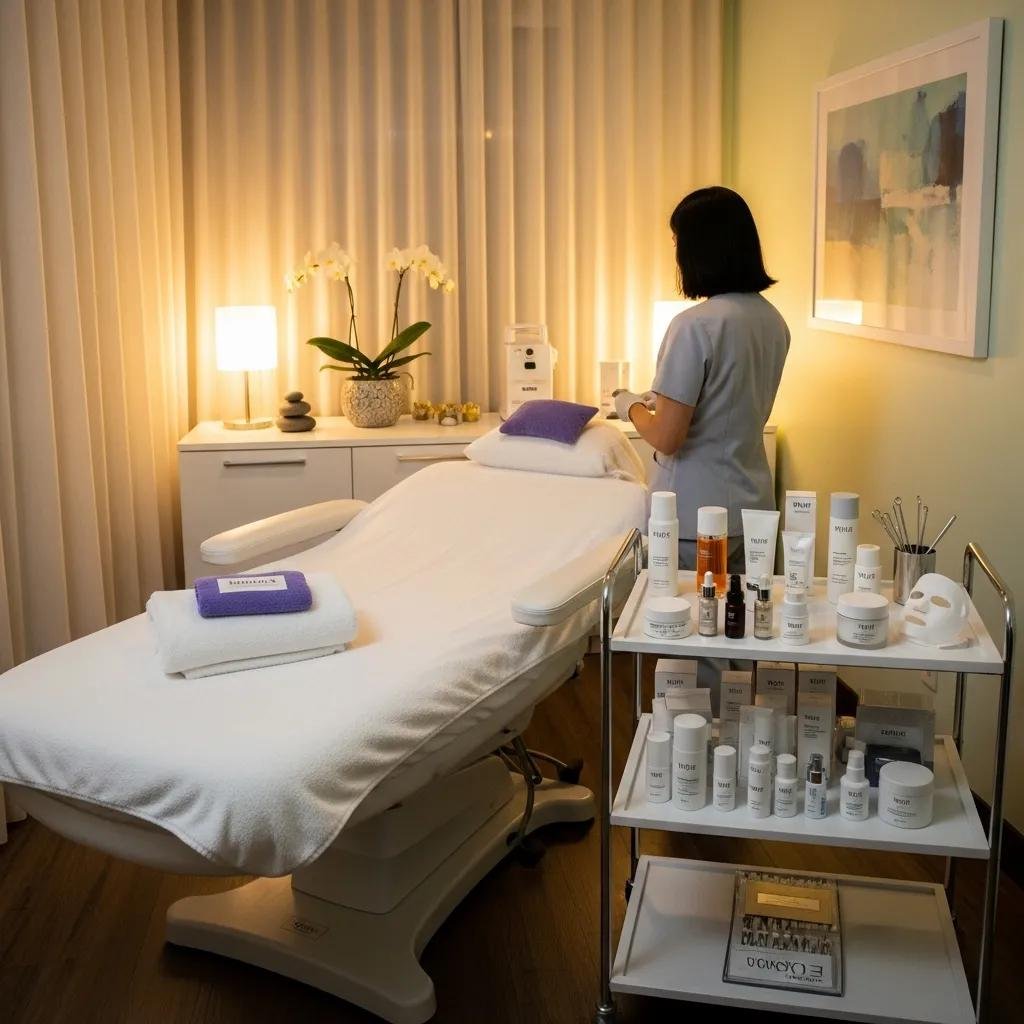
Several in-office treatments complement at-home renewal by delivering controlled exfoliation, collagen stimulation, and surface hydration with predictable downtime that suits spring scheduling. Chemical peels target pigmentation and texture, RF microneedling induces collagen remodeling for firmness and scarring, Er:YAG laser resurfacing addresses deeper texture and tone issues, and HydraFacial plus LED therapy provide low-downtime hydration and calming effects. Below is a concise comparison to help decide which approach aligns with goals and recovery tolerance.
For quick comparison of mechanisms and spring-specific benefits, see this table:
| Treatment | Mechanism | Primary Spring Benefit |
|---|---|---|
| Chemical Peels (incl. VI Peel) | Chemical exfoliation of stratum corneum | Rapid radiance and pigment refinement with short-medium downtime |
| RF Microneedling | Microneedle-induced collagen stimulation + radiofrequency heat | Improves texture, firmness, and pore appearance with moderate downtime |
| Er:YAG Laser Resurfacing | Ablative laser removes epidermis with precise depth control | Targets deeper texture and scarring for longer-lasting tone correction with moderate to longer downtime |
| HydraFacial | Hydradermabrasion with serums | Immediate hydration and glow with minimal to no downtime |
| LED Skin Therapy | Photobiomodulation to reduce inflammation | Calms skin post-procedure and supports healing with zero downtime |
This table clarifies why spring is favorable for scheduling treatments that require brief recovery before peak sun exposure.
How Do Chemical Peels Enhance Skin Radiance in Spring?
Chemical peels accelerate removal of sun-dulled, winter-buffed surface layers by using acids to promote desquamation and even pigmentation. Superficial peels yield minimal downtime and immediate glow, while medium-depth peels address more pronounced discoloration with a few days to a week of recovery. Spring’s relatively lower UV levels reduce risk during the healing window, making it an appropriate season for peels intended to reveal brighter skin before summer. Post-peel care emphasizes broad-spectrum SPF, gentle hydration, and temporary avoidance of retinoids until the barrier fully recovers.
Pairing peels with a stabilized at-home antioxidant and sunscreen routine helps lock in results and prevents recurrence of pigmentation.
What Are the Benefits of Microneedling and Laser Resurfacing for Spring Skin?
Microneedling induces controlled micro-injury that stimulates collagen and elastin synthesis, improving fine lines, texture, and acne scarring with minimal to moderate downtime. RF microneedling augments this by delivering thermal energy to deeper dermal layers for firmer remodeling. Er:YAG laser resurfacing provides more aggressive, precise ablation for deeper texture issues and pronounced photodamage but requires a longer recovery. Choosing between these depends on desired depth of correction, tolerance for downtime, and sequencing with other treatments to avoid overlapping inflammatory periods.
Combining modalities—such as starting with microneedling and later targeting stubborn areas with laser—can maximize outcomes when timed correctly in spring.
How Can Personalized Spring Skin Plans at Shore MedSpa Refresh Your Complexion?
A personalized spring skin plan tailors at-home regimens and in-office procedures to skin type, pigmentation concerns, and downtime constraints, producing safer and more predictable outcomes than one-size-fits-all approaches. Assessment-driven sequencing—stabilize the barrier, introduce conservative resurfacing, then progress to collagen-stimulating or ablative therapy—optimizes both recovery and longevity of results. Advanced devices and physician oversight ensure appropriate selection of energy-based treatments and peels while minimizing complication risks. Shore MedSpa & Bio Aesthetics applies a customized pathway that integrates topical protocols with clinical services to achieve balanced renewal.
What Role Does Dr. Ronald Shore Play in Customized Spring Skin Care?
Dr. Ronald Shore provides professional oversight and medical input into individualized treatment plans, ensuring procedure selection and sequencing fit each patient’s skin characteristics and lifestyle. Physician involvement helps calibrate peel strength, laser settings, and microneedling depth while managing expectations regarding downtime and progressive results. This clinical leadership reduces the likelihood of over-treatment and aligns at-home products with in-office interventions for safer, evidence-based renewal. A doctor-directed approach therefore elevates safety and outcome predictability compared with generic protocols.
Medical oversight also supports post-procedure recovery planning, which is crucial when timing treatments for seasonal events.
How to Book Your Spring Skin Renewal Consultation Today?
Preparing for a consultation streamlines the planning process and helps the clinician recommend an efficient spring renewal pathway based on your goals and schedule. Bring a concise medication and skincare history, recent photos of the concerns you want to address, and a list of upcoming events that affect downtime tolerance. Expect the appointment to include skin assessment, discussion of realistic outcomes, and a proposed sequence of at-home and in-office steps tailored to your timing. After the visit, the clinician will outline pre- and post-procedure instructions, recommended product choices, and follow-up scheduling to ensure a coordinated spring renewal plan.